Autumn Greeting

Standard

We had 二百十日=nihyaku-toka, 210th day after 立春 on the last day of August this year. It is said to represent a time when rice harvest and typhoon landfalls often come together, a warning to farmers. And this flower called 彼岸花, higanbana in Japanese or Lycoris radiata carries three names in English including hurricane lily, red spider lily and cluster-amaryllis. Mei-Shun cannot help hoping such beauty in nature be ever resonant with peaceful repose of our lives.

彼岸花

Save Water

Standard

Today is 処暑=shosho, the second one of 二十四節気 of autumn. Meaning the end of summer, it has already seen 2 big typhoons including Chanthu and Mindulle, rushed over us last week and raged yesterday respectively. Landing of typhoons symbolizes our autumn while they sometimes hit the Japanese Archipelago in rainy season. We had a kind of pointless one this year, expecting therefore these typhoons to fill our dam. The result was … ?

Japanese Culture@wkday

Standard

… or holiday it seems this year. When Mei-Shun drove Shin to the nearest station in the morning, it was almost empty. That reminded her of obon leave which many of us would enjoy till tonight. 乙戸沼 Park had, on the other hand, a few more walkers and runners than usual. Three water funnels danced giving nice sound, looked like a couple and another — oh? You’ve been taken as identical triplets so far. Or some of you are on vacation as we do?

噴水2対1

Shiny White

Standard

Our nearest shrine, where Mei-Shun drops in during her walking workout, grows them along the entrance path. Their beautiful profiles seem like welcoming visitors, while leading souls of beloved ones to their homes on obon vacation. It starts from tomorrow on Saturday, looking convenient for most of salaried workers. We had the newest holiday Mountain Day last Thursday, so if a leave is allowed including today, they would have 6-day off.

白百合

Harvest Soon

Standard

We have 立秋=risshu, the 13th of 二十四節気 yesterday. It means autumn has come, while nobody could recognize it in the middle of summer. Still, we find it in these ripe golden ears of rice, bowing themselves into the same direction.  案山子, kakashi started their bulwark against flocks of little birds with big appetite.

みのり (2) kakashi (2)

Sweetfish

Standard

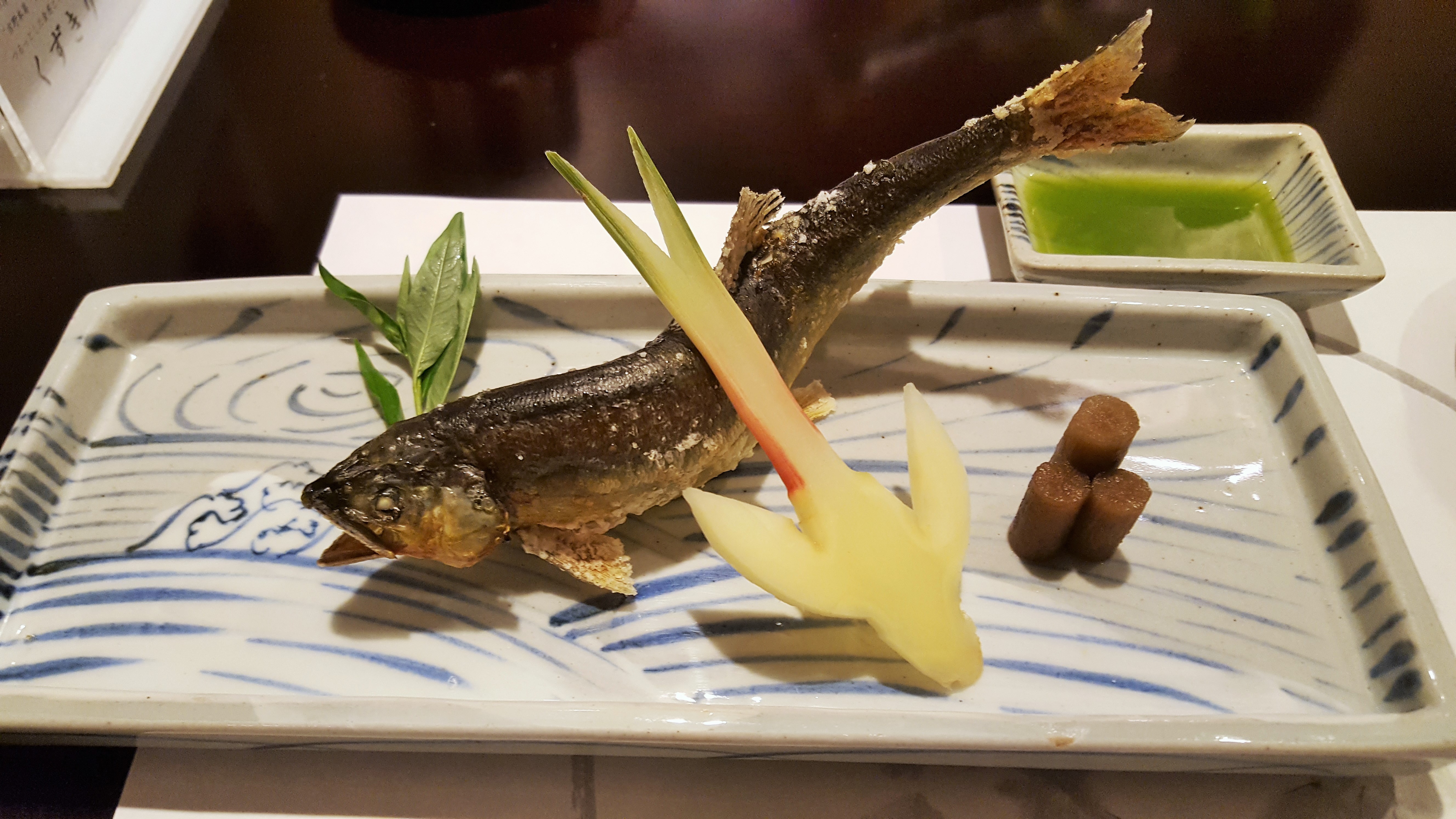
鮎, ayu tastes the best from June to August. Mei-Shun has a propensity for it, asked Shin to arrange a lunch date at their favorite Japanese food restaurant in Shinagawa. They know well what she covets, serving a course featuring grilled one. This genuine delicacy is edible from top of head to edge of tail, except for white-salted fins. Oh, rainy season is over in Kanto area. Thank you so much for bringing real summer to us.

sweetfish (2)

Long Rain

Standard

It seems we are still in the season this year. Such weather may remind Mei-Shun’s generation of 1993, when cool summer affected seriously on rice harvest. We lacked rice so much that our government imported a lot from Thailand. It might have lead to today’s popularity of Thai cuisine in Japan. At that time, however, the fluffy texture of Thai rice was a kind of shock for most of us. On the other hand, もちもち感 =mochi-mochi-kan, a lush mouthfeel of Japanese rice have been well accepted in many countries recently.

Cicada Lady

Standard

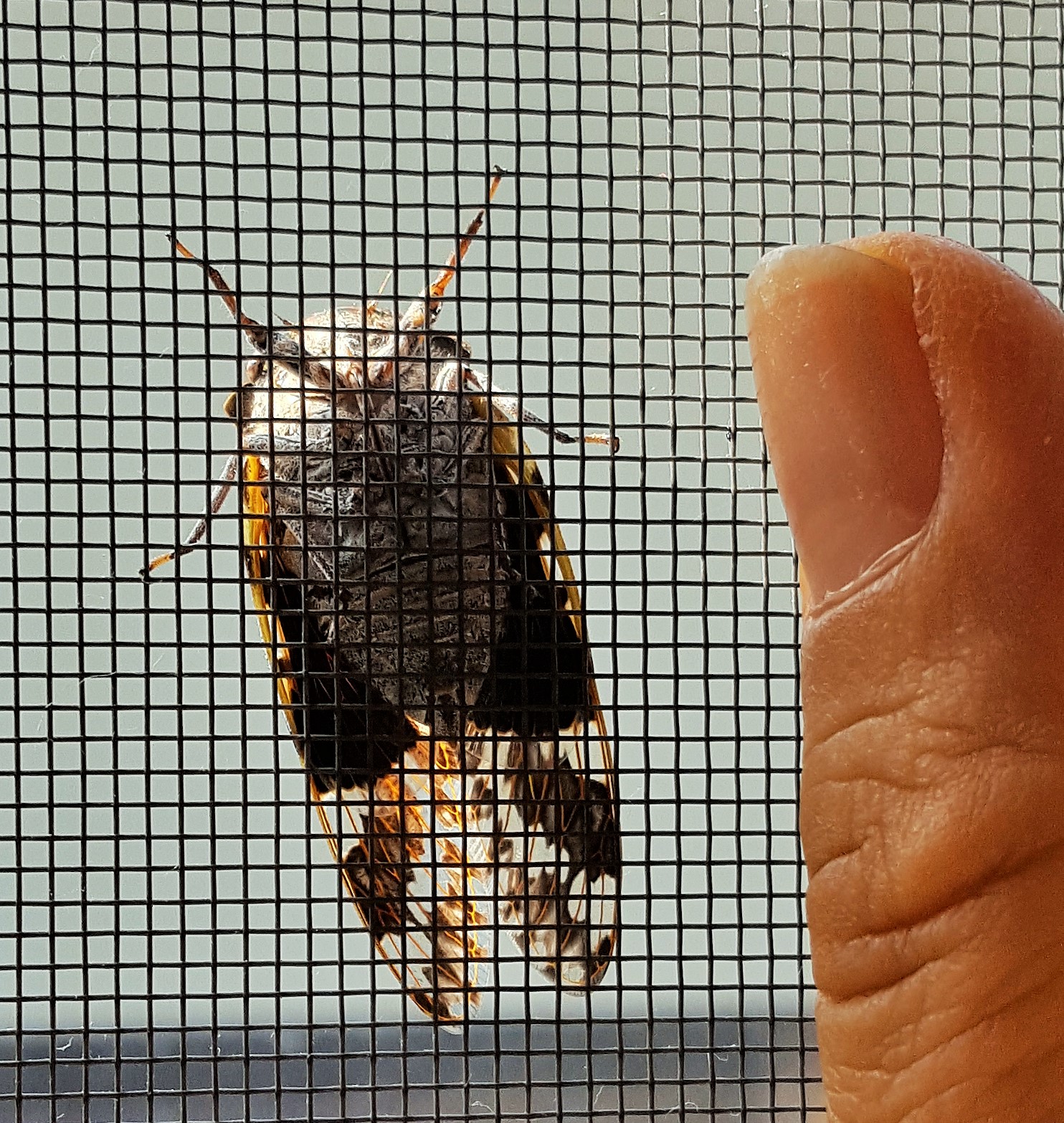
She is so small that Mei-Shun’s thumb fits her size in half. You are a lady who gives no voice, aren’t you? Thanks to keep silent, Mikan-chan is very much interested in you. Your peaceful repose let us go on quiet in mind. As for her mom, she is a bit scary at your buzzing to rush toward her. However, she takes you nearly cute today. What is your breed, honey? If you are the romantic 蜩, higurashi who sing at dawn and sunset, she feels quite lucky to see you.

cicada lady (2)

Japanese Culture@holiday

Standard

偕楽園 accommodates a lot of old, beautiful trees represented by 梅=ume, or plum which blooms in early spring. It makes the garden so crowded that Shin and Mei-Shun never approach there, while months except for February and March find them in serenity. On the top of their recommendation list is 吐玉泉, togyoku-sen found below. Water flow from many natural springs are collected into the lowest point, put this marble rock called 寒水石 as a well curb.

吐玉泉

Tanabata Festival

Standard

And 小暑=shousho, the 11th of 二十四節気, jointly meet today. The latter means that real summer would start from now on, while torrential downpours often occur at the end of rainy season. It was clear and hot this morning, followed by a sudden cool wind in the evening. Oh? You are really to represent the point of season.