
Thank you so much, mom. It is the best sweet for us, Mei-Shun and her older sister. Since her anko is rather sweet, we need to control quantity of it for coating a rice ball. Sometimes ohage (=bald ball!) appears in our hands. Well, no problem; tastiness is the most important. You say so, dad?
tradition
Artistic Couple
Standard
Sweet Art
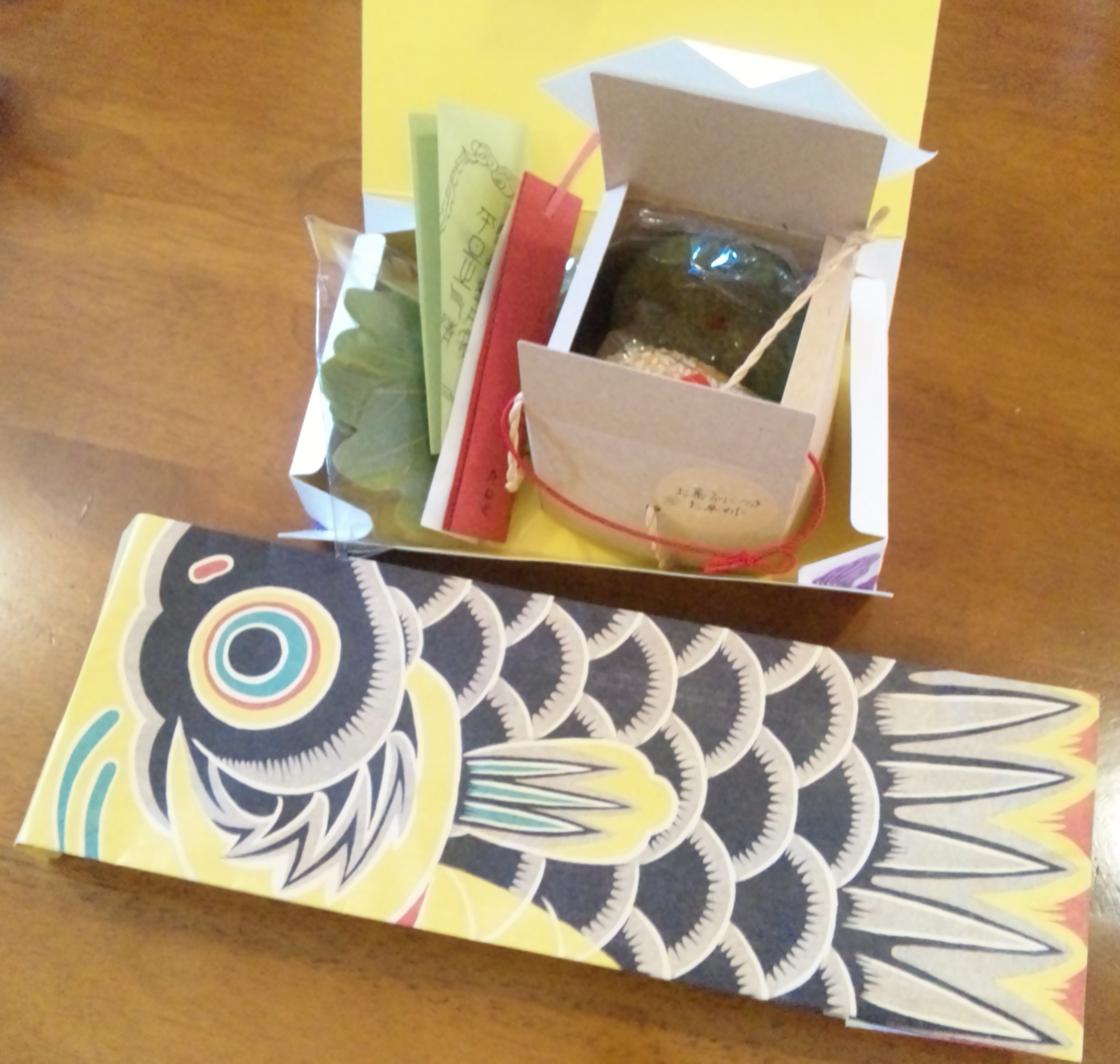
StandardThese are Japanese sweets to celebrate Children’s Day, sent from Tane-ya, including chimaki (=sweetened rice cake wrapped in a piece of bamboo grass) and kashiwa-mochi (=rice cake filled with bean jam). The former was found in a paper bag on which a carp streamer is printed.
Doll Festival
StandardMaster Mei-Shu has three granddaughters. When Mei-Shun visited her today, she found beautiful hina dolls set in the corner of the lesson room to celebrate those three girls. In Suisen-Tanzen, a dancer carries a long, fur-headed spear. We use a bamboo stick for practice, yet have to be very careful for a while not to hurt the dolls.
Japanese Culture@holiday
StandardMost Japanese temples and shrines have omikuji, fortune-telling paper. For easy ones, we put coins into a box before picking up one piece. More formally, we make payment to a clerk, shake a box or can to receive a stick on which a number is written. Informed on the number, they hand us a corresponding piece of omikuji paper. Some of them have a small figure of god which is believed to bring luck to you.

Japanese Culture@wkend
StandardWe have 12 animals to symbolize a year. 2015 is represented by sheep, written in Chinese character as “未”. It is the 8th symbol among “子” rat, “丑” ox, “寅” tiger, “卯” hare, “辰” dragon, “巳” serpent, “午” horse, “未”, “申” monkey, “酉” cock, “戌” dog and “亥” boar. Many Japanese people purchase symbol ornaments to celebrate the New Year.

The Long and Straight Road
StandardDuring every new-year vacation, Mei-Shun bring her mother-in-law to a Yasaka Shrine in Tsuchiura, the headquarters of which is in Kyoto, closely related to Gi-On Festival. Since Tsuchiura branch is not registered in the navigation system of her car, Mei-Shun has to rely on mom’s memory. Well. She wishes it were good enough …
Japanese Culture@holiday
StandardAs one of entertainments of the new year, we have 百人一首, Poetry by 100 Celebrities. Each poem has 5+7+5+7+7=31 syllables. Players would remember the latter 7+7 part of a poem, look for and take the card on which it is written. A reader would help with the illustrated cards of whole poems. The winner is a player who takes the most number of cards, yet the real joy of this game seems to be in the reading.


Japanese Culture@holiday
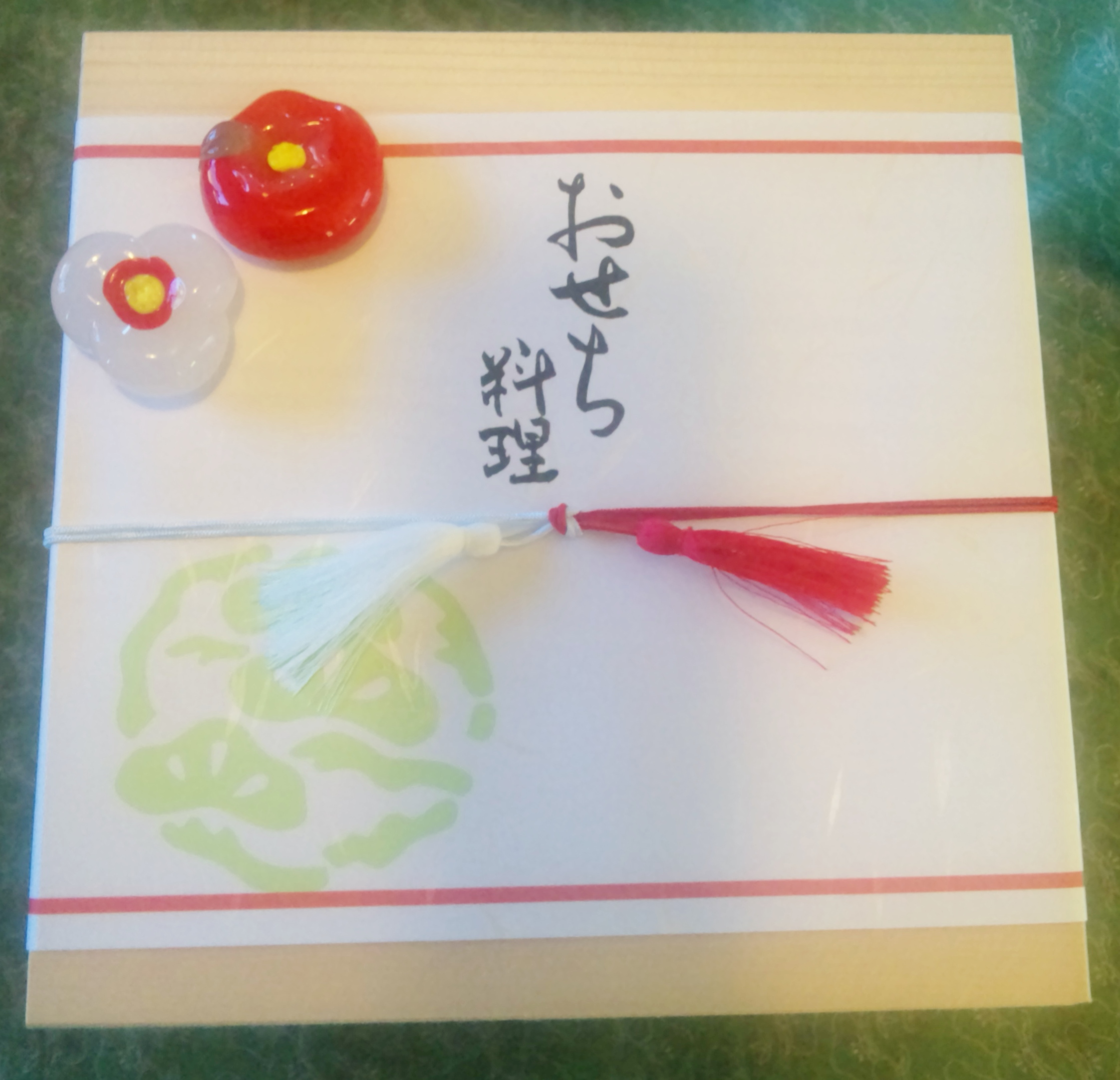
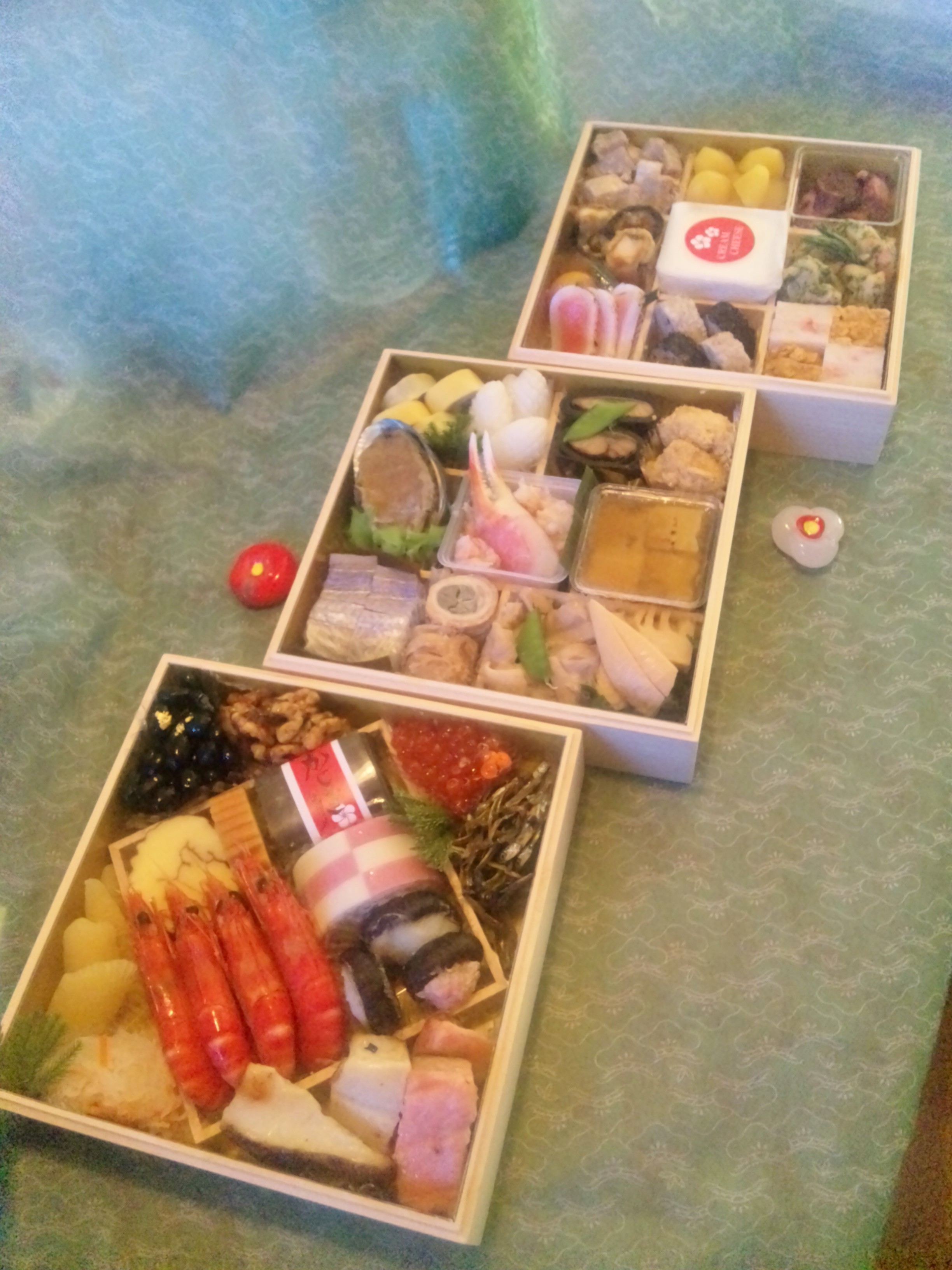
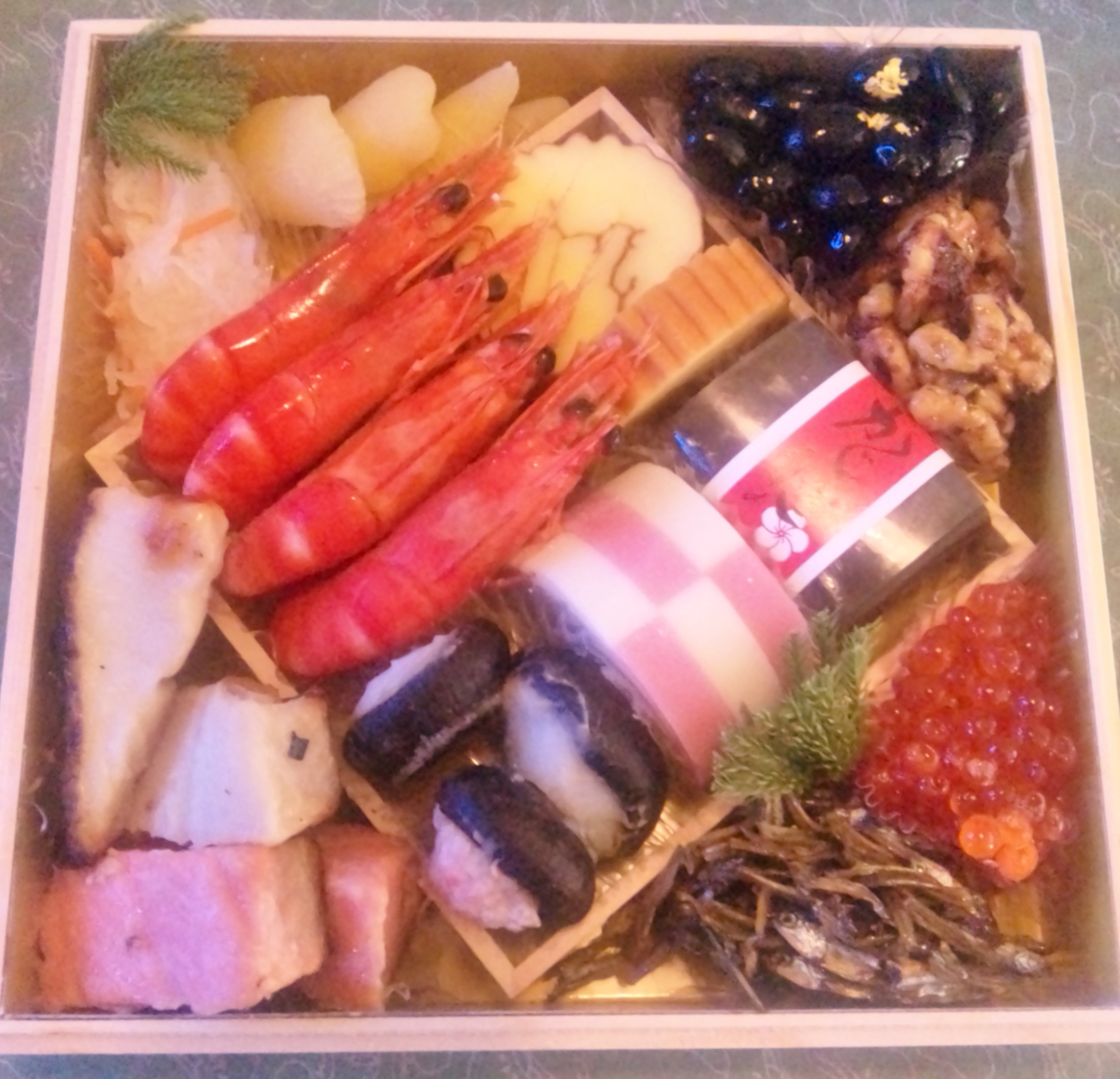
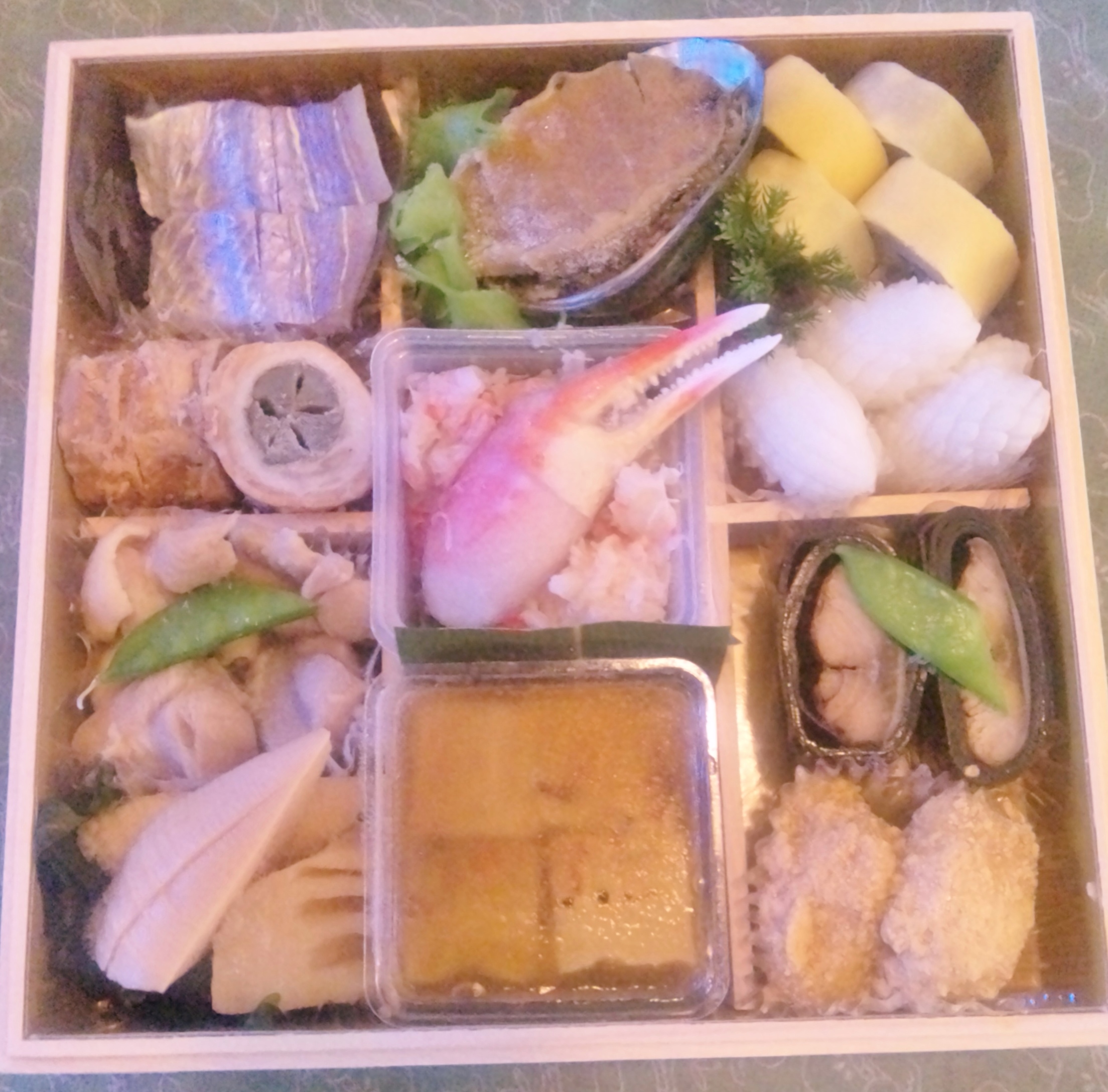
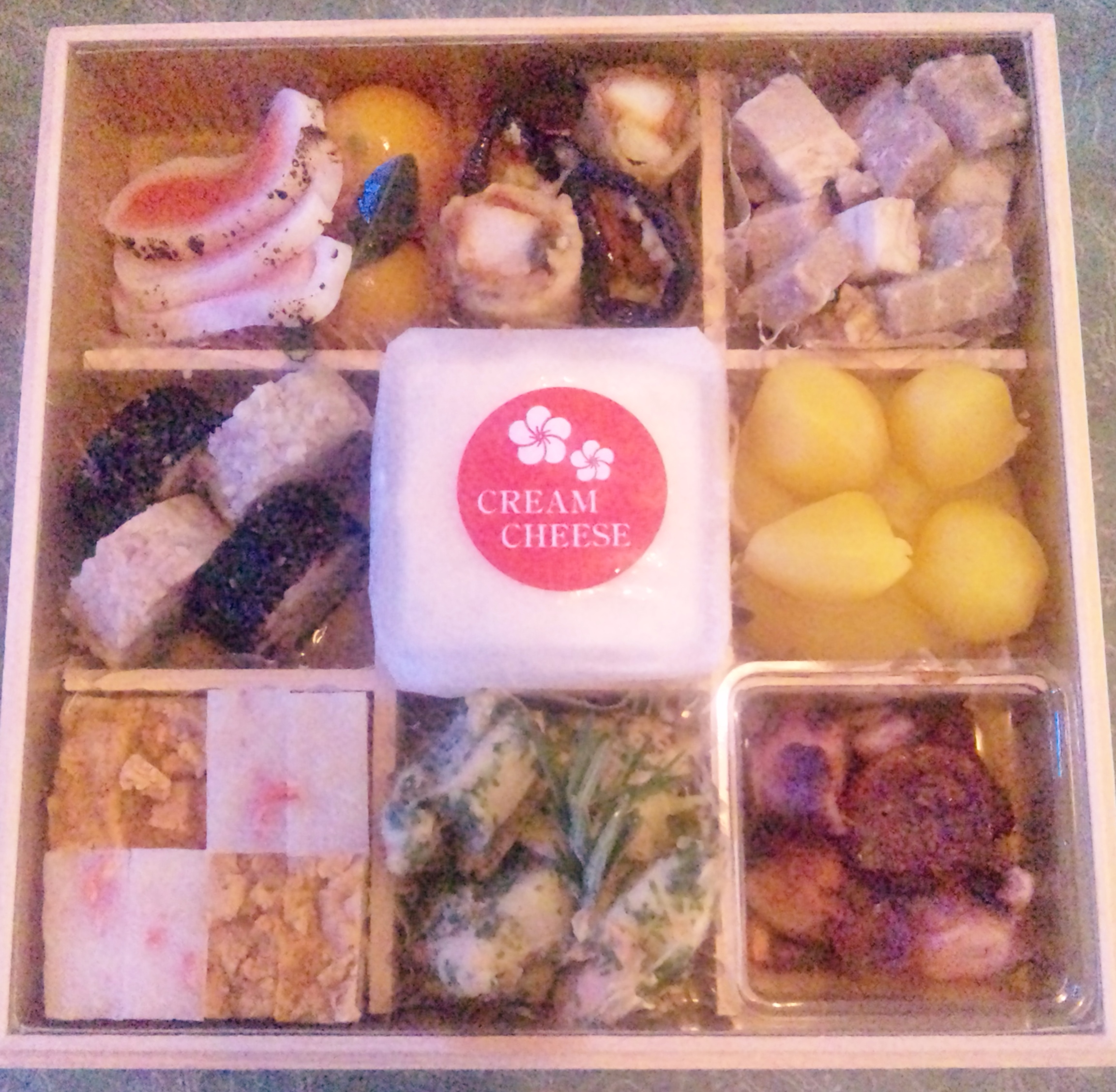
StandardAkemashite Omedeto; A happy new year! As one of representative menus of washoku (=traditional Japanese cuisine), please find osechi below.
The First Box
The Second
The Third (optional European/American Style foods)
Stray Sheep?
Standard2015 would be symbolized by sheep, which Mei-Shun has not yet prepared. Actually forgot to – she used to visit a stationery shop to order nengajo (=new-year greeting card) while choosing annual ornament. However, she found nicely designed nengajo at a post office this year. Well, where does our symbol walk around right now?

