Winter Messenger

Standard

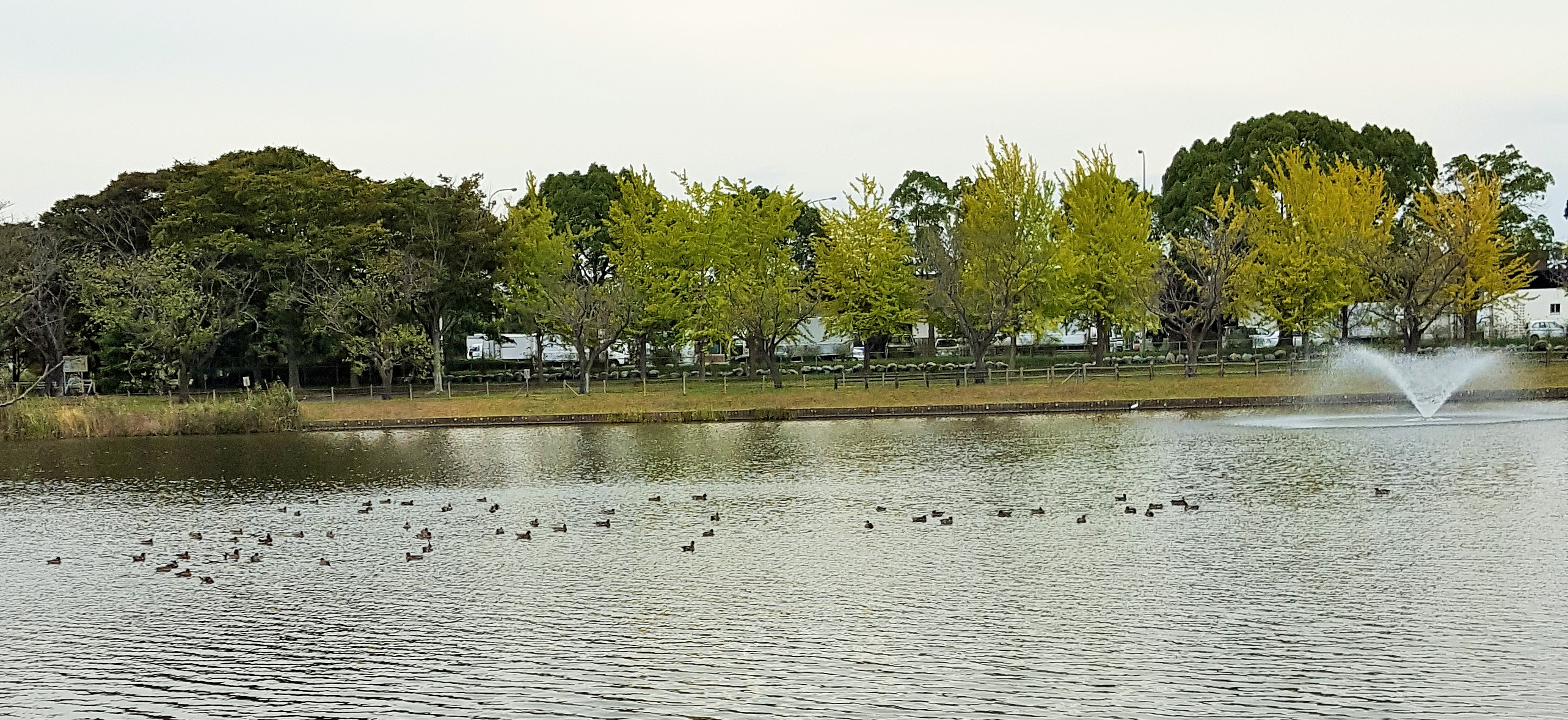
乙戸沼 Park began to accommodate wild ducks and ユリカモメ=yuri-kamome, black-headed gulls who Mei-Shun’s mom taught her prefer polluted water. Well, it seems quite right. That is why this pond has to be aired by fountains regularly, while gives uplifting view for visitors. Small falls bubble a stream which goes on the ground under cherry trees, might contribute to water refining as well.

Joy at Garden: 2

Standard

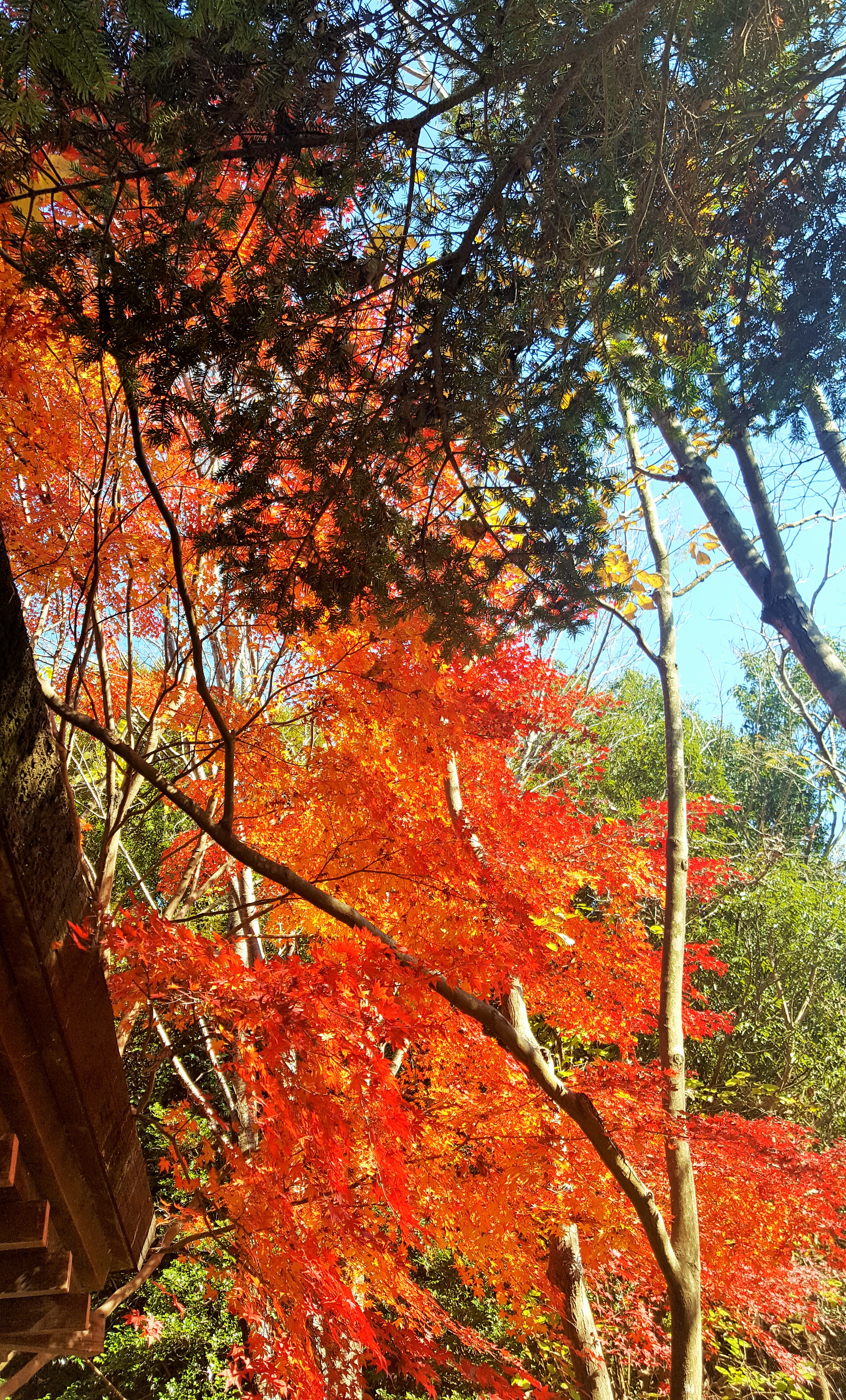
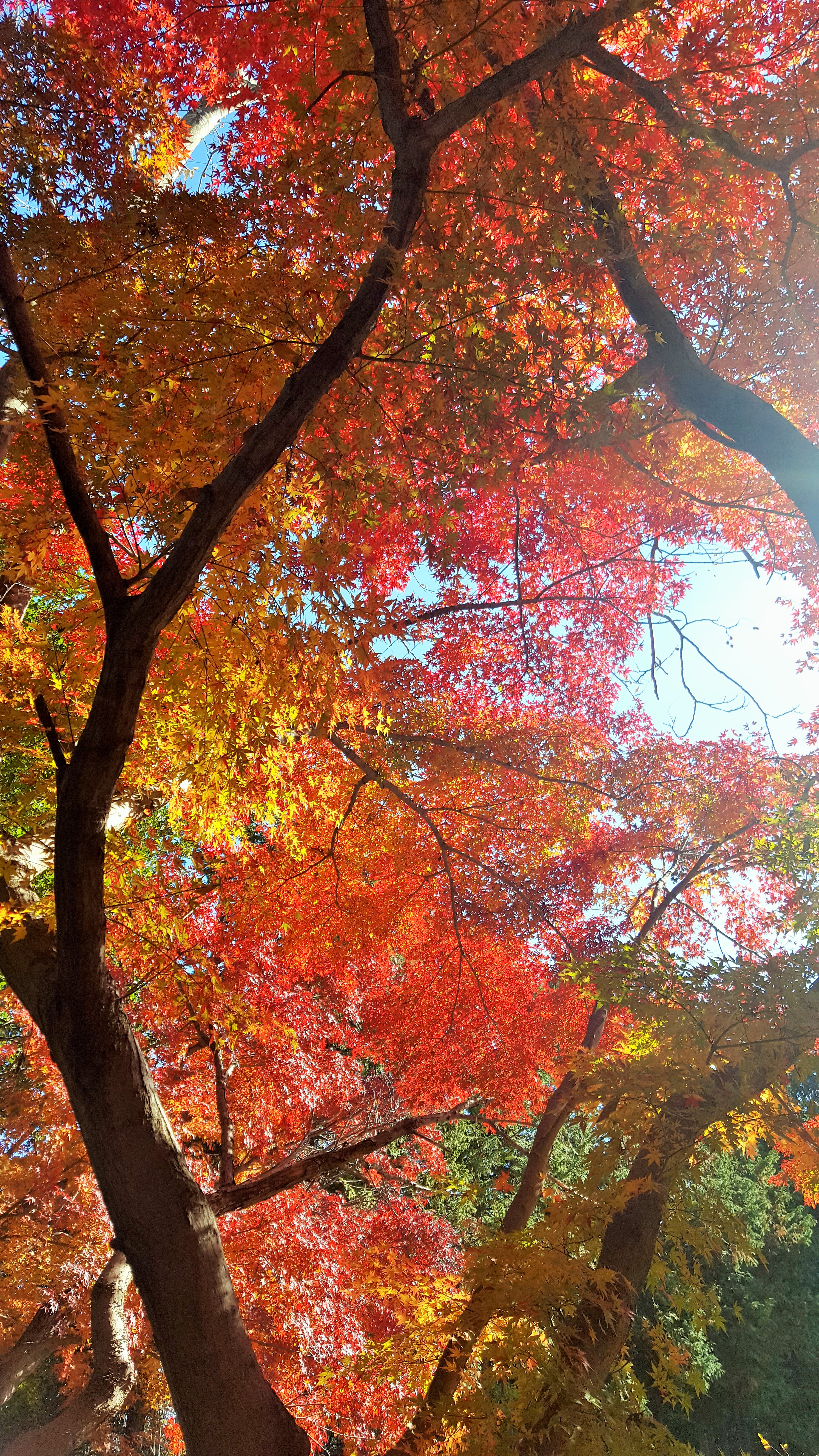
Already in winter, we can still enjoy breath-taking maple foliage in Tsukuba Botanical Garden. It is interesting that color of leaves looks a bit different depending on viewpoints: when we see it from a distance, orange is reinforced while red occupies our sight when we stand by a trunk to look up. If they keep green and yellow leaves, we feel like staying in a rainbow.

Joy at Garden: 1

Standard

Tsukuba Botanical Garden accommodates a lot of attractive plants. Your eyes would be drawn toward a beautiful guard just after one step into this institute. Well, let’s stop gazing at it, or you cannot go beyond the front gate. Walking between mammoth sequoias, a greenhouse to grow Savanna plants appears soon. Mei-Shun loves these white cacti while Shin Lithops or living stones.

Welcome Back

Standard

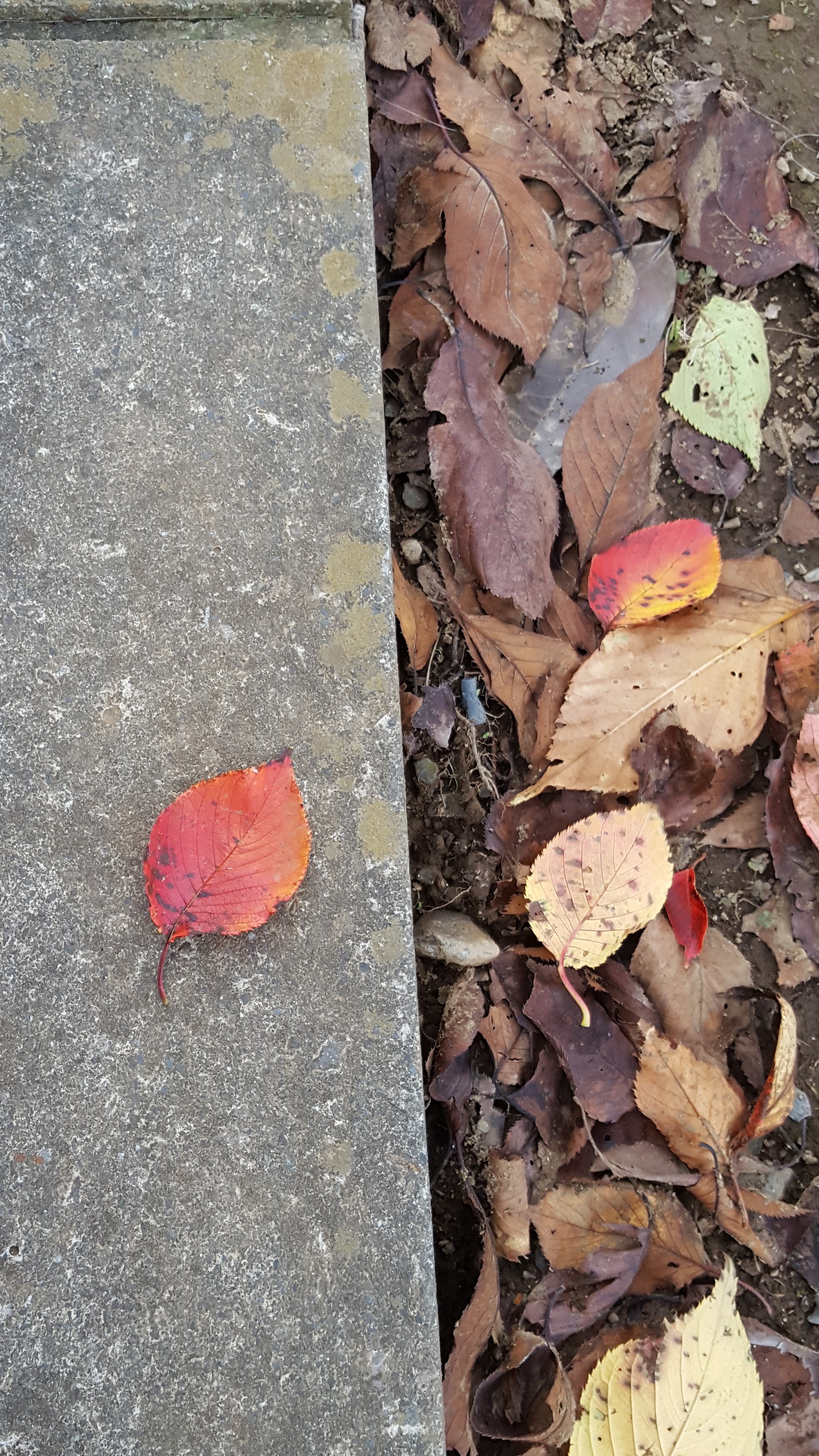
It continued to rain for 6 days from last Thursday. We saw beautiful sunlight only in the morning of yesterday, followed by a lot of clouds in late afternoon. That’s was why Mei-Shun rushed to walk in 乙戸沼 Park, worried a little if all leaves frozen and browned. To her great relief, a scarlet friend found the first step of her getting off the car. A flock of wild duck swam lively beside wind-distorted fountain traces.

Gingko Nuts

Standard

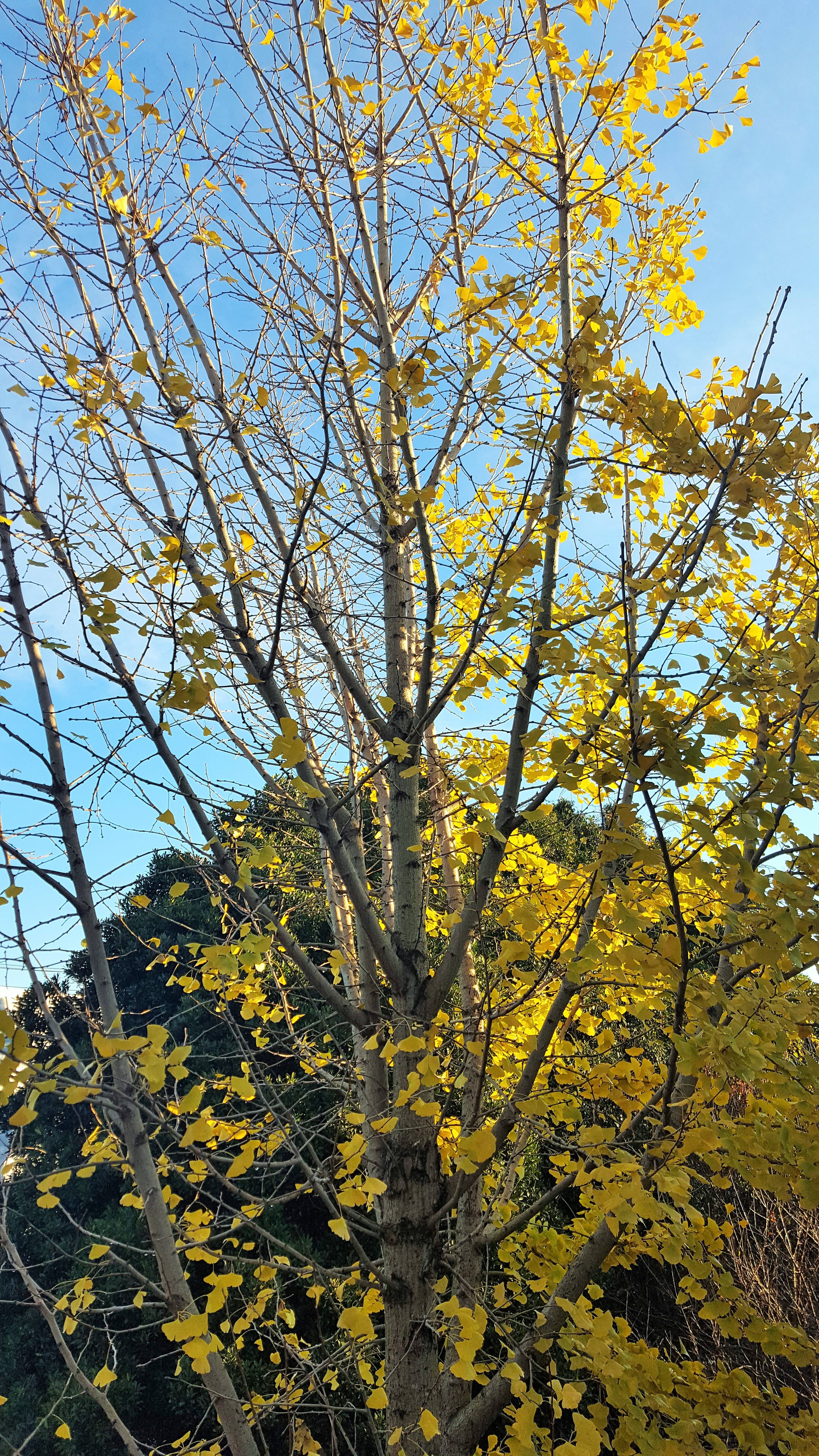
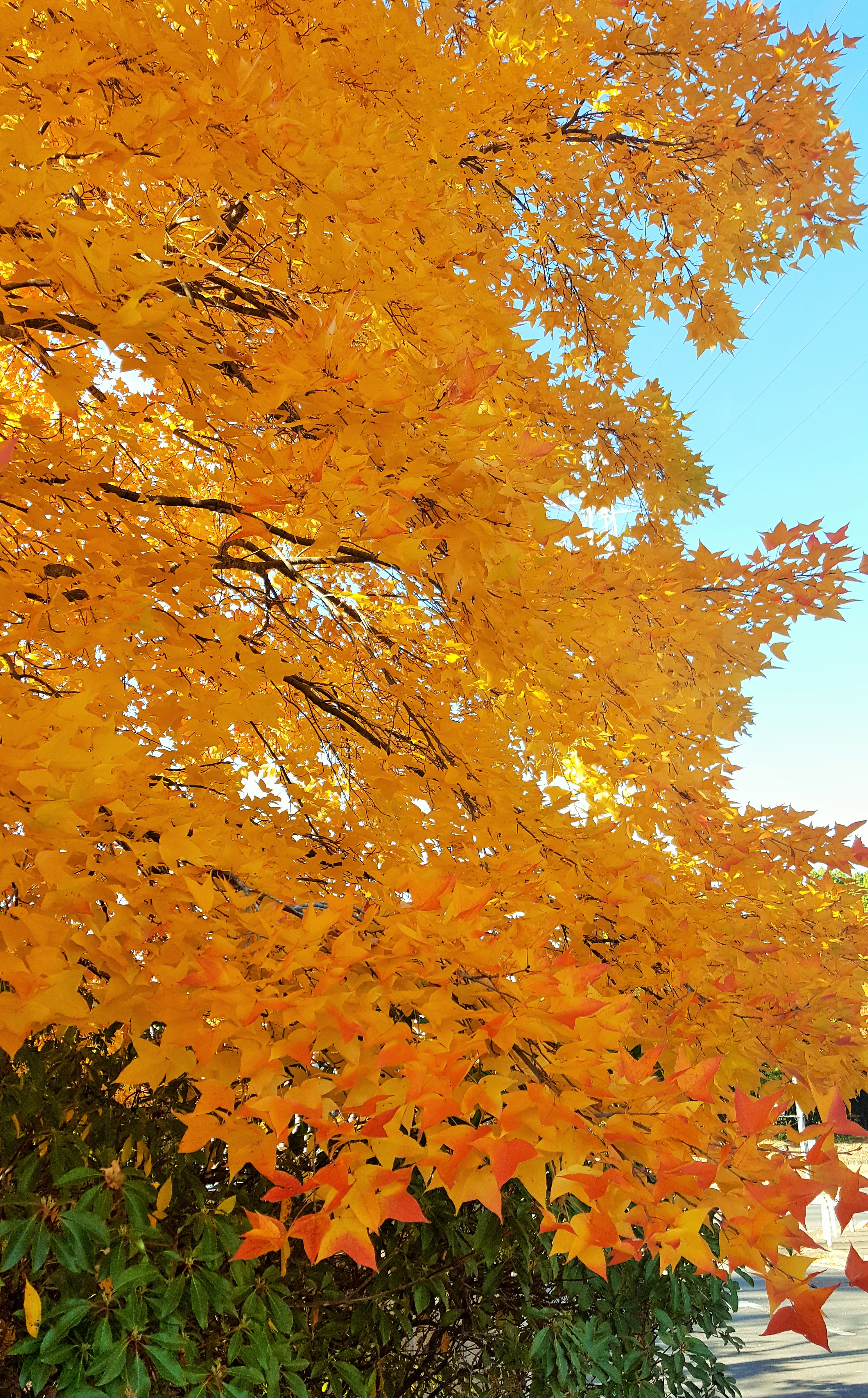
Autumn has already reached 乙戸沼 Park. Fortunately, these pale orange fruits, perhaps blown together on the brick lane by storm, were not ripe enough to emit that odor — you have only to be wary not to step on them. On the other hand, your hats would be safe passing under these red candies whose mother tree might be a 楠=kusunoki, camphor grown in our backyard.

Windy Water

Standard

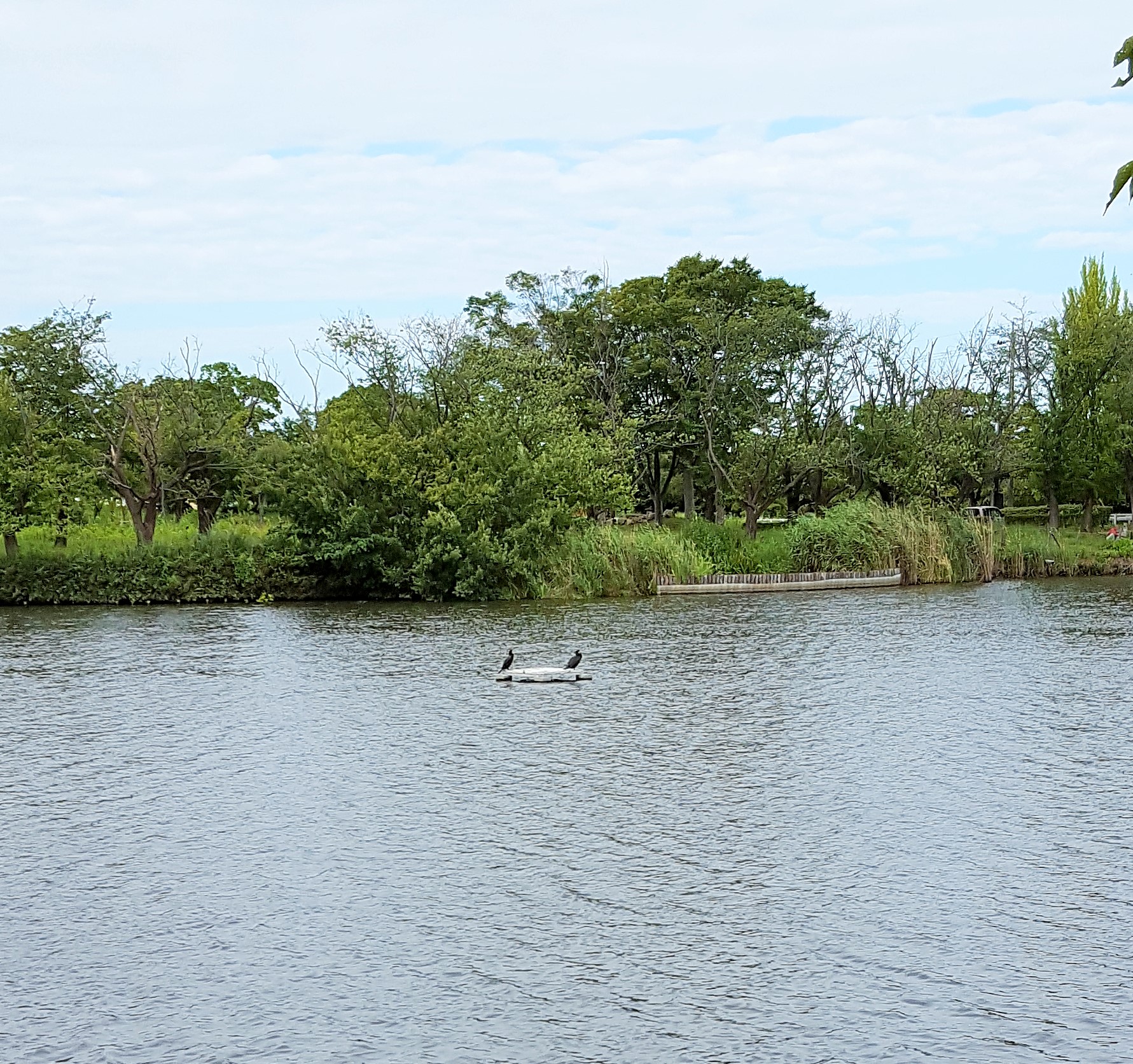
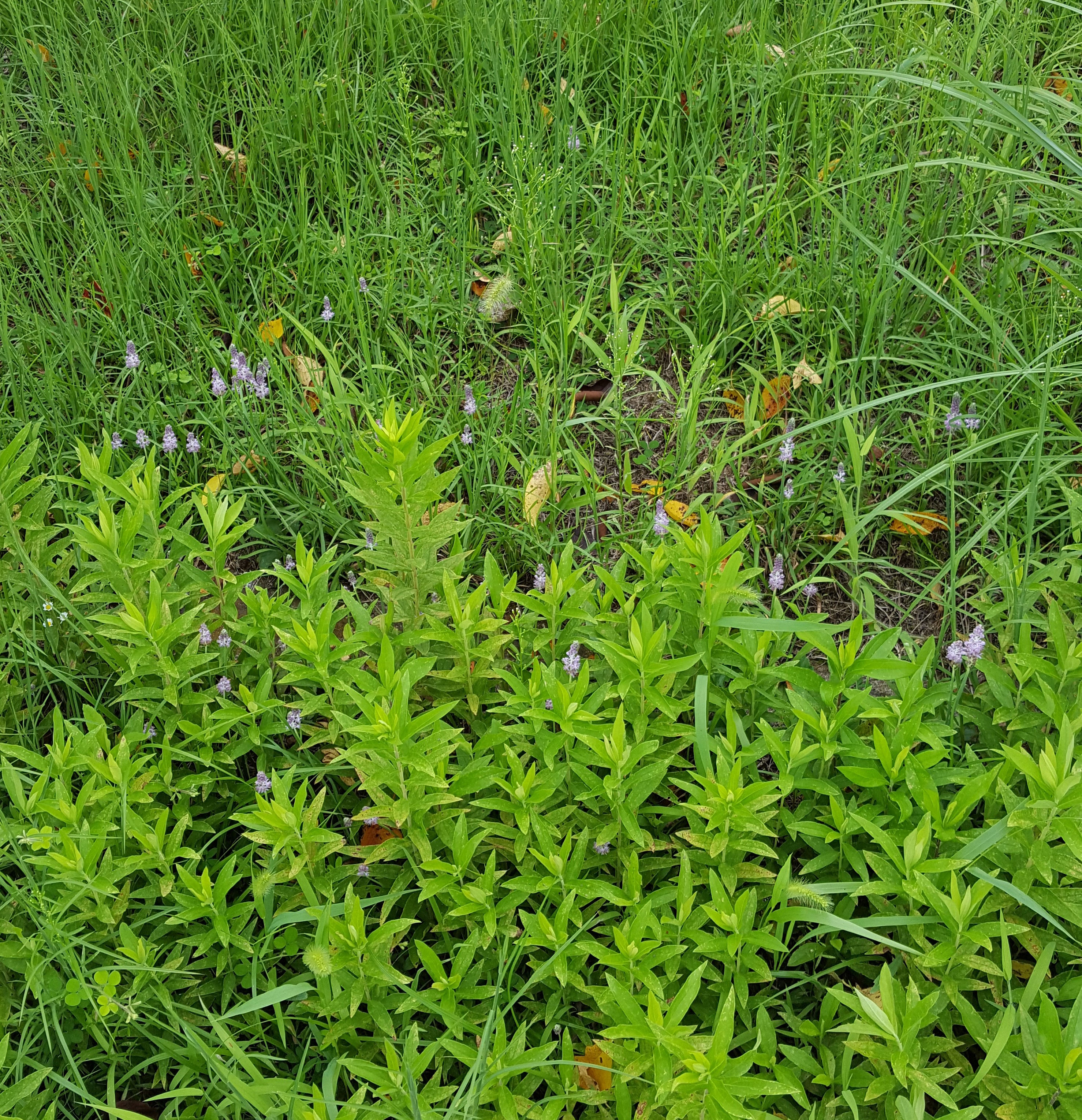
Mei-Shun walked around 乙戸沼 Park after a long time — almost one month and a half since she visited there in July. Yes, she missed you, Mr. and Mrs. Cormorant. Great to see fountains make upside-down umbrella in the center of the pond again. Oh? it looks a bit distorted by just a breeze, depending on direction maybe. And mom, they are the flowers you mentioned before, aren’t they?

Shinagawa Post

Standard

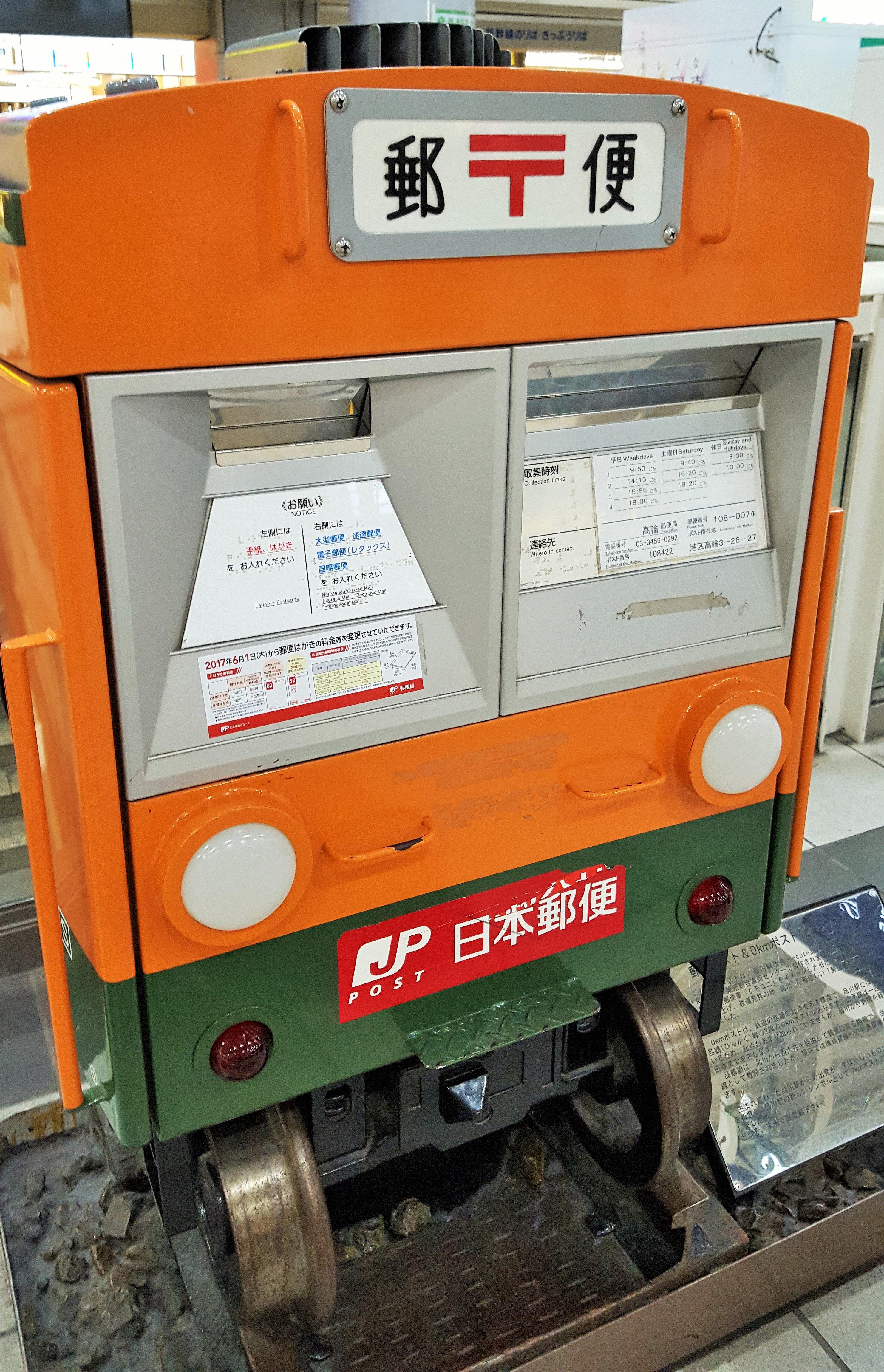
Mei-Shun has to say so sorry for leaving you in the closet. She asked Shin to do her a favor of you in spring. And she did the same for another dress, forgetting to have meant to enjoy summer with you. All right, it is your turn. Let’s go to Tokyo for a date with him. Since today is 大安=tai-an, they would try to win a lottery purchasing some of Summer Jumbo.

Joy at Kyoto: 5

Standard

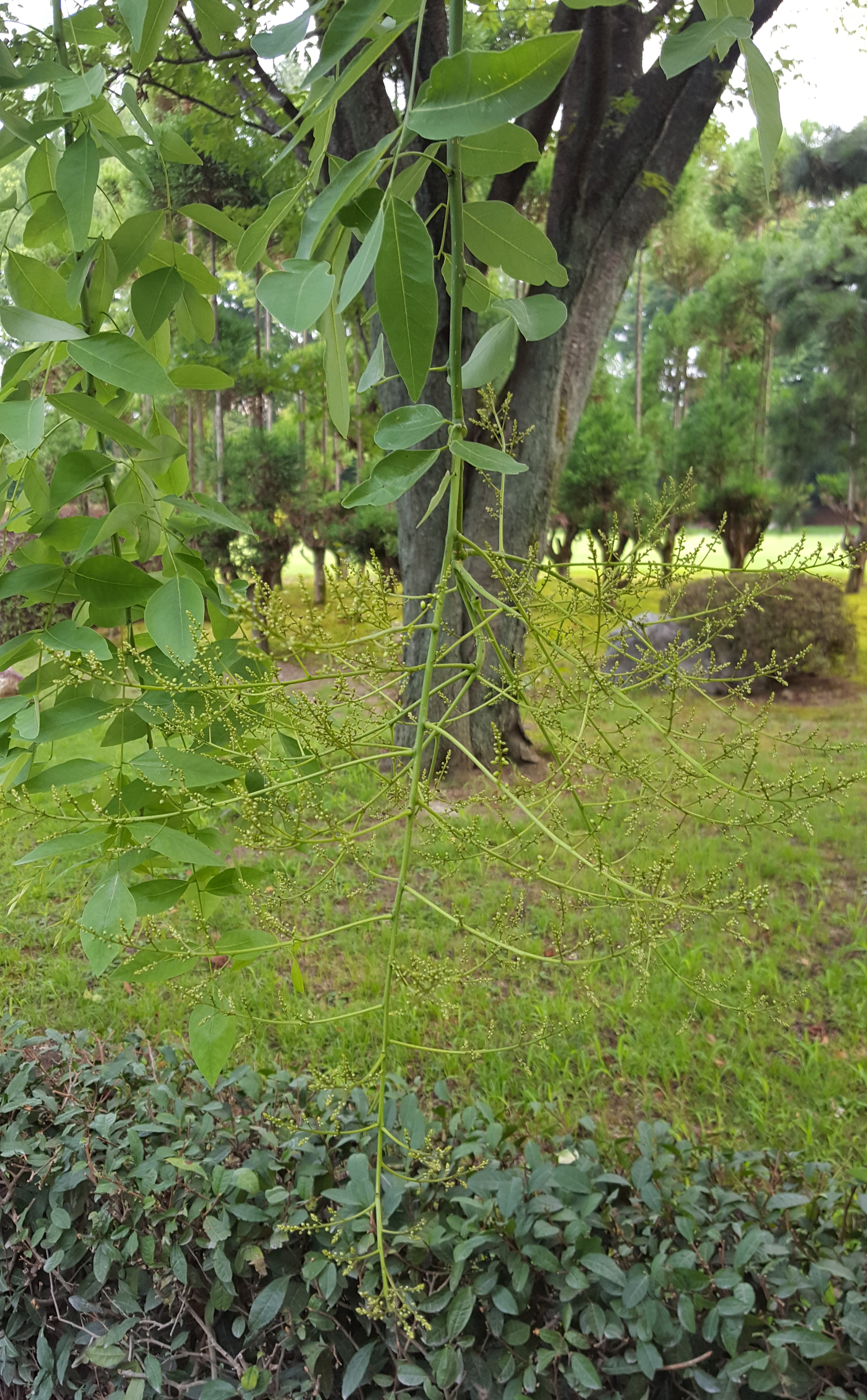
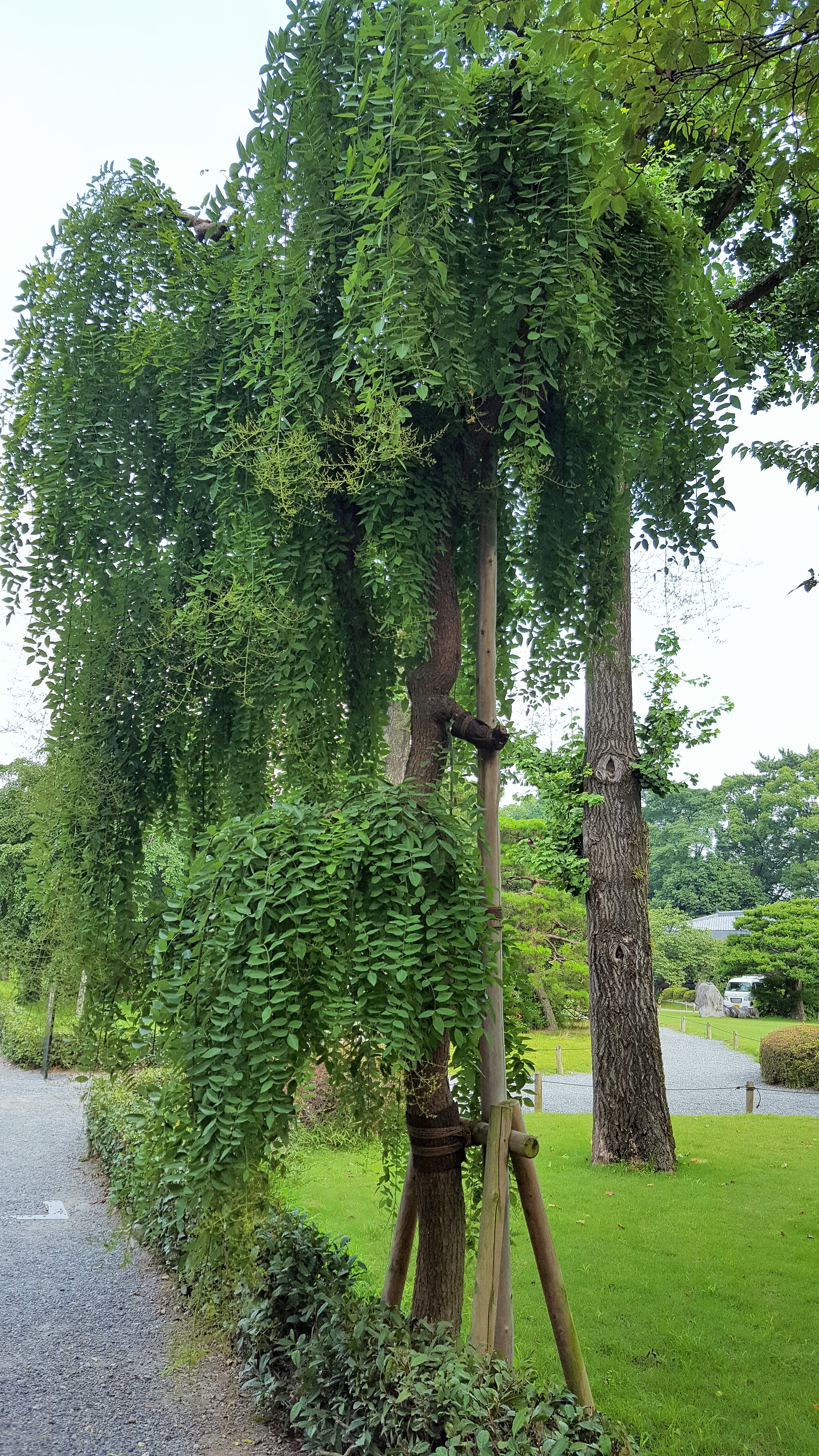
In 1965, 清流園 garden was constructed within 二条城 site to offer hospitality to visitors. Western half is Japanese style, served by 和楽庵 and 香雲亭 tea rooms while eastern half in European atmosphere. Southern lane features weeping pagoda trees which bloom in white, butterfly-shaped from late July to August. Oh, Mei-Shun nearly forgot mentioning this lady’s tress who looked waiting for her.

Joy at Kyoto: 4

Standard

二条城 has vast space in the center of this ancient capital. This garden accommodates a spacious pond where a heron takes a rest, a lovely little fall twinkles. You can enjoy feeding big carps as well. 本丸=hon-maru, main building of Japanese castle, was lost by fire only with a firm foundation left. Going up stairs, you would have a nice view on mountain silhouette and lightning rods on roofs.

Joy at Kyoto: 3

Standard

What a humor of 二条城 administration staffers! Entrance tickets are called 入”場”券 at museums, amusement parks and railway stations in Japan while 入”城”券 here, pronounced the same yet the latter meaning a castle. Well, morning walkers like Shin and Mei-Shun passed by the front gate, which accommodated night guards in Edo Period (1603-1868), headed into the wide garden.