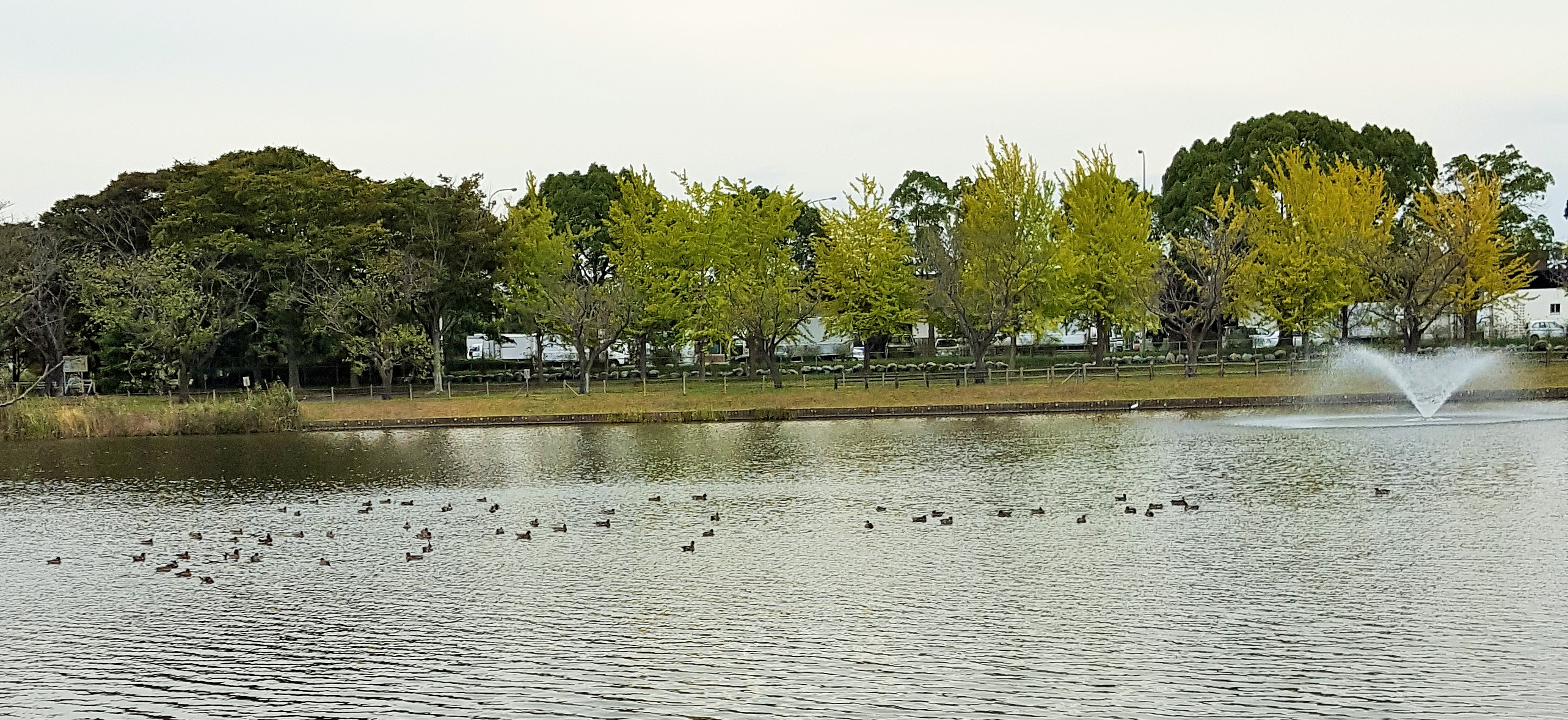
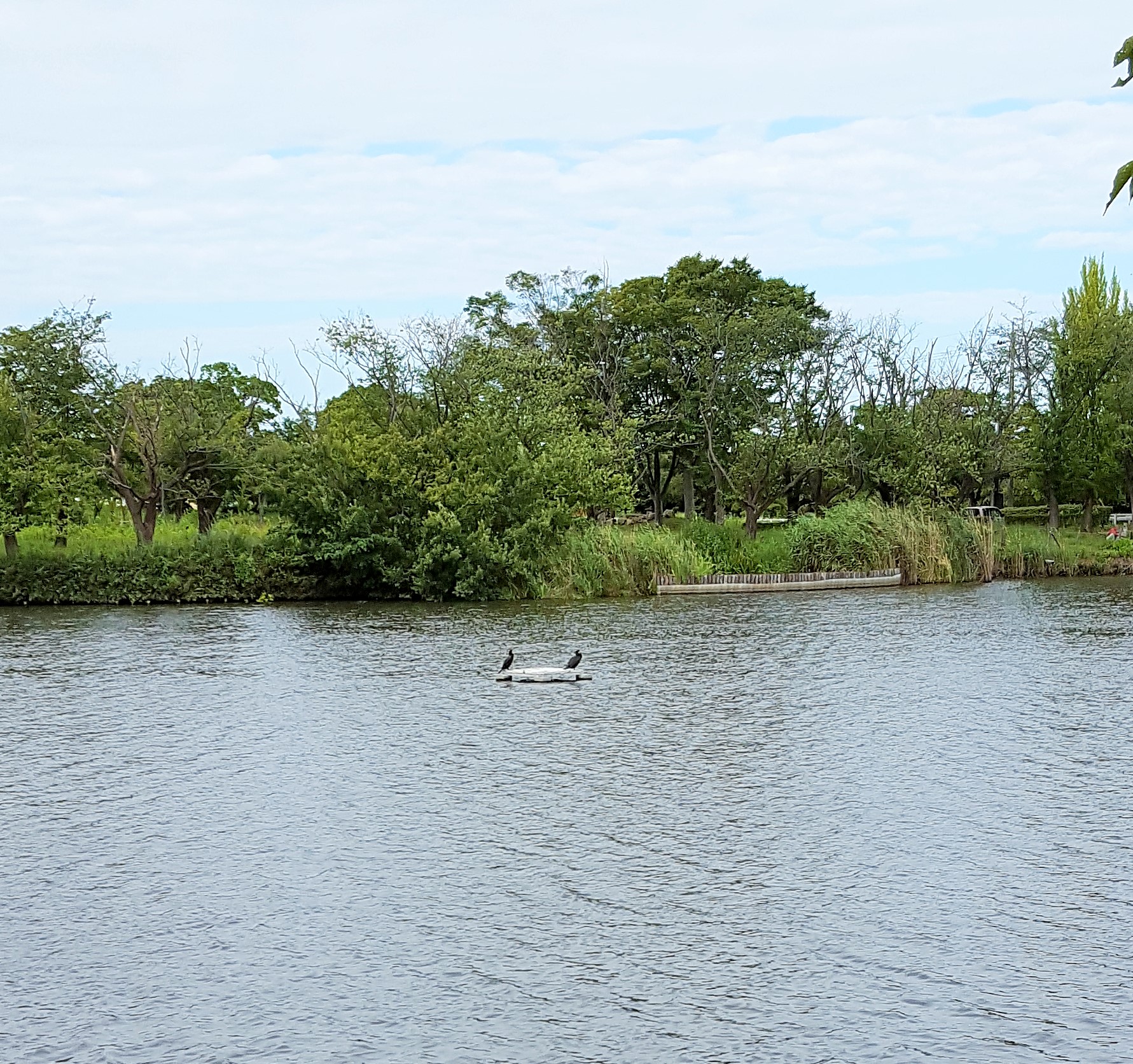
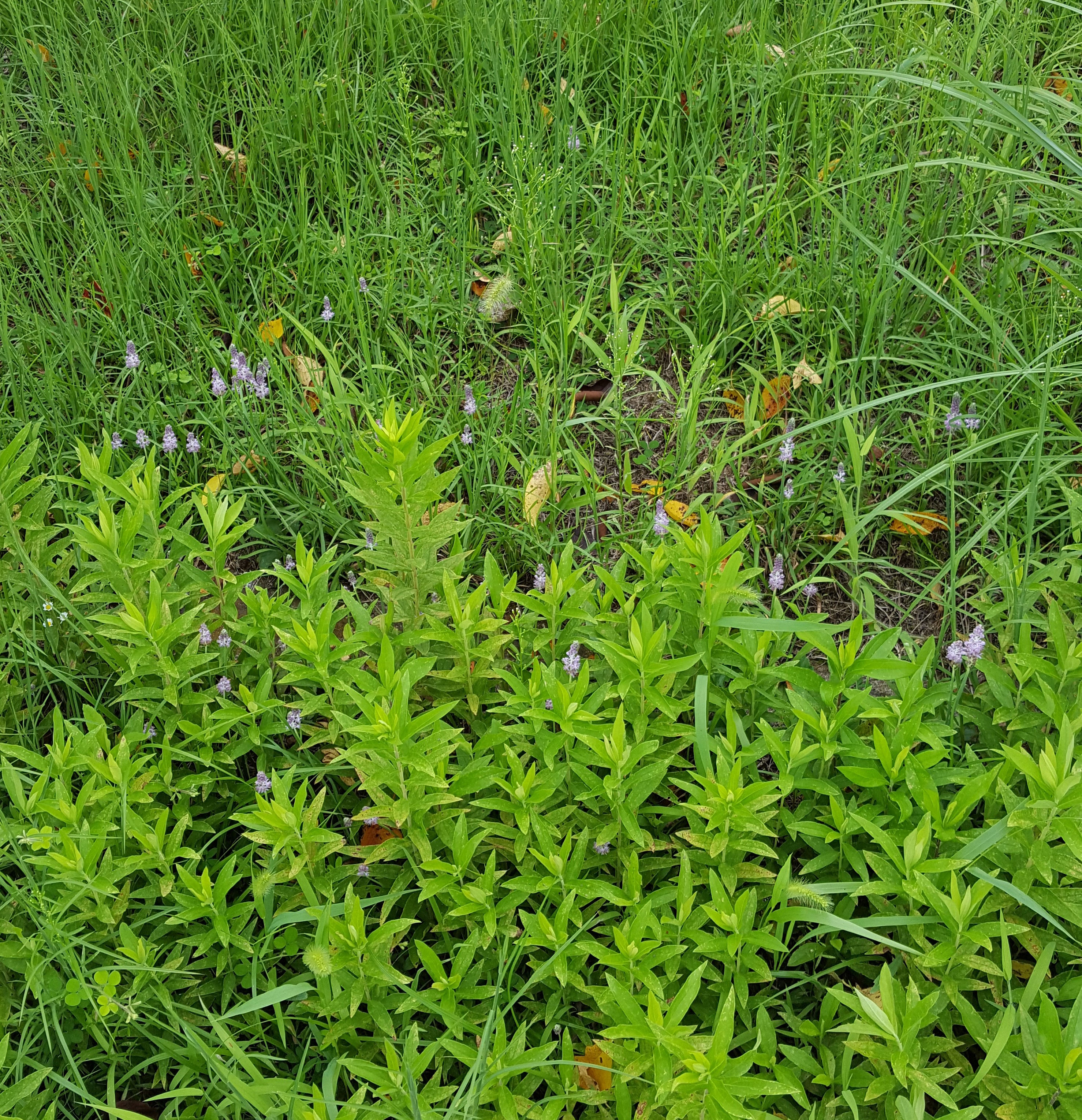
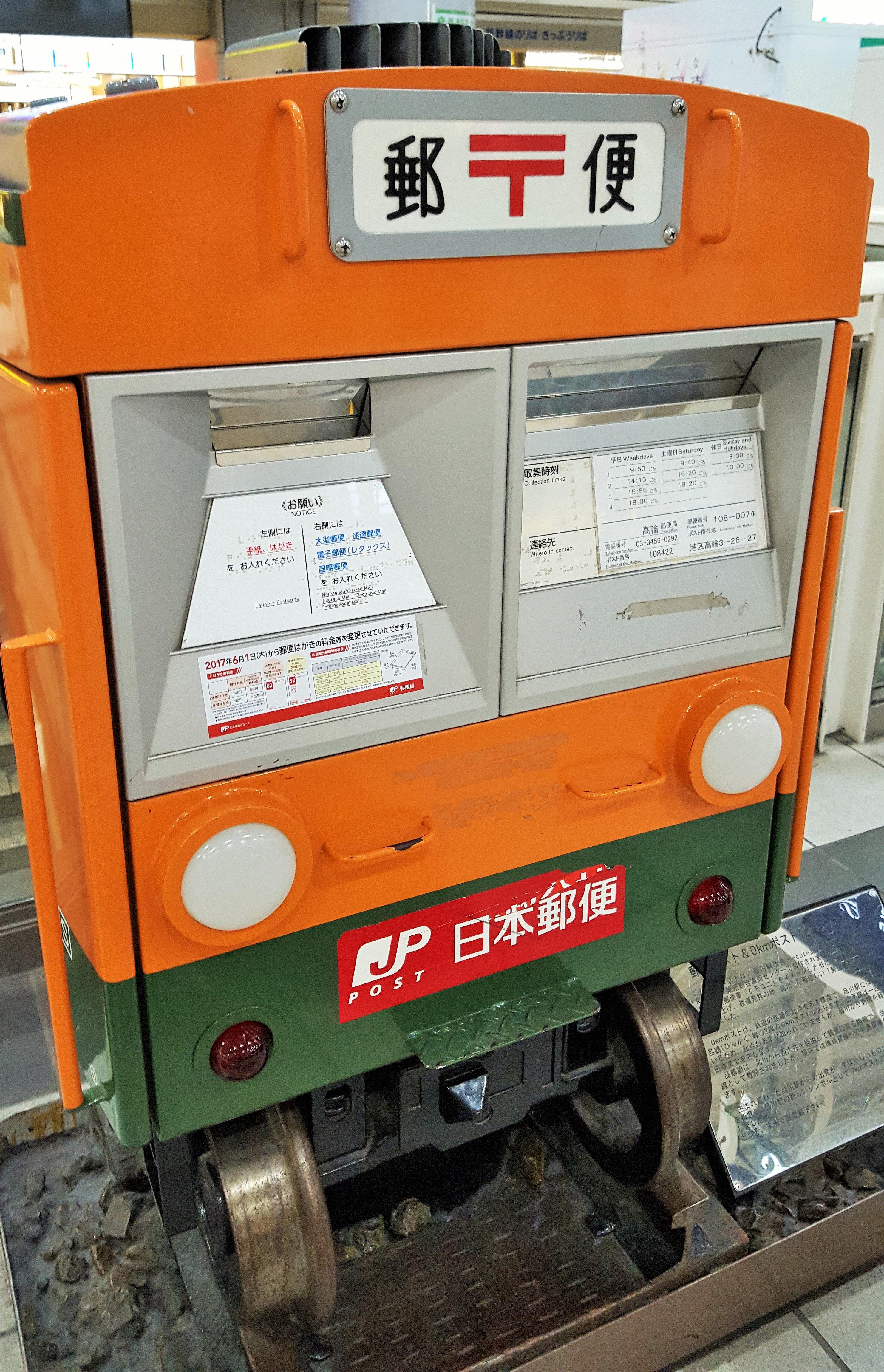
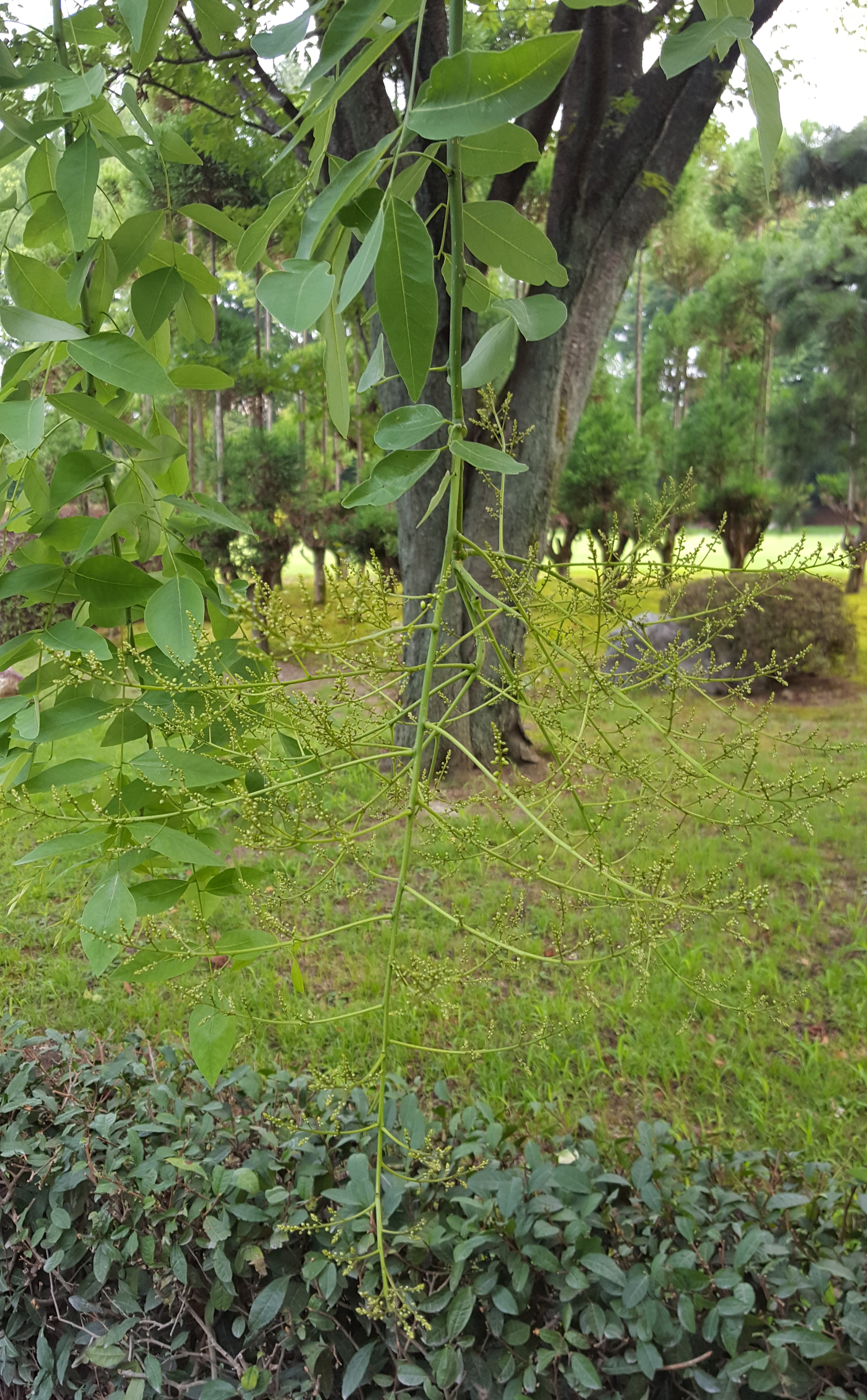
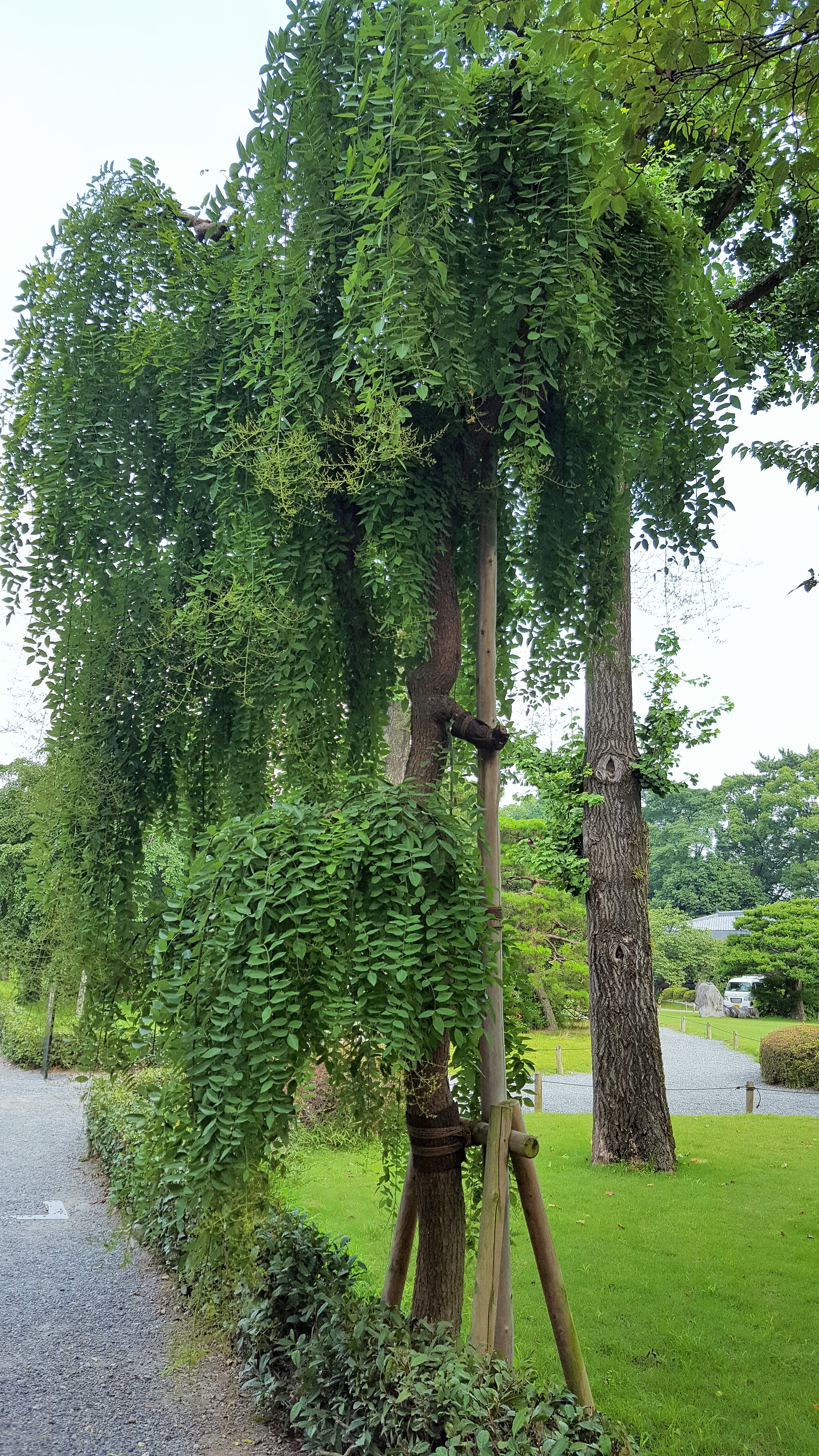
In 1965, 清流園 garden was constructed within 二条城 site to offer hospitality to visitors. Western half is Japanese style, served by 和楽庵 and 香雲亭 tea rooms while eastern half in European atmosphere. Southern lane features weeping pagoda trees which bloom in white, butterfly-shaped from late July to August. Oh, Mei-Shun nearly forgot mentioning this lady’s tress who looked waiting for her.
travel
Joy at Kyoto: 4
Standard二条城 has vast space in the center of this ancient capital. This garden accommodates a spacious pond where a heron takes a rest, a lovely little fall twinkles. You can enjoy feeding big carps as well. 本丸=hon-maru, main building of Japanese castle, was lost by fire only with a firm foundation left. Going up stairs, you would have a nice view on mountain silhouette and lightning rods on roofs.
Joy at Kyoto: 3
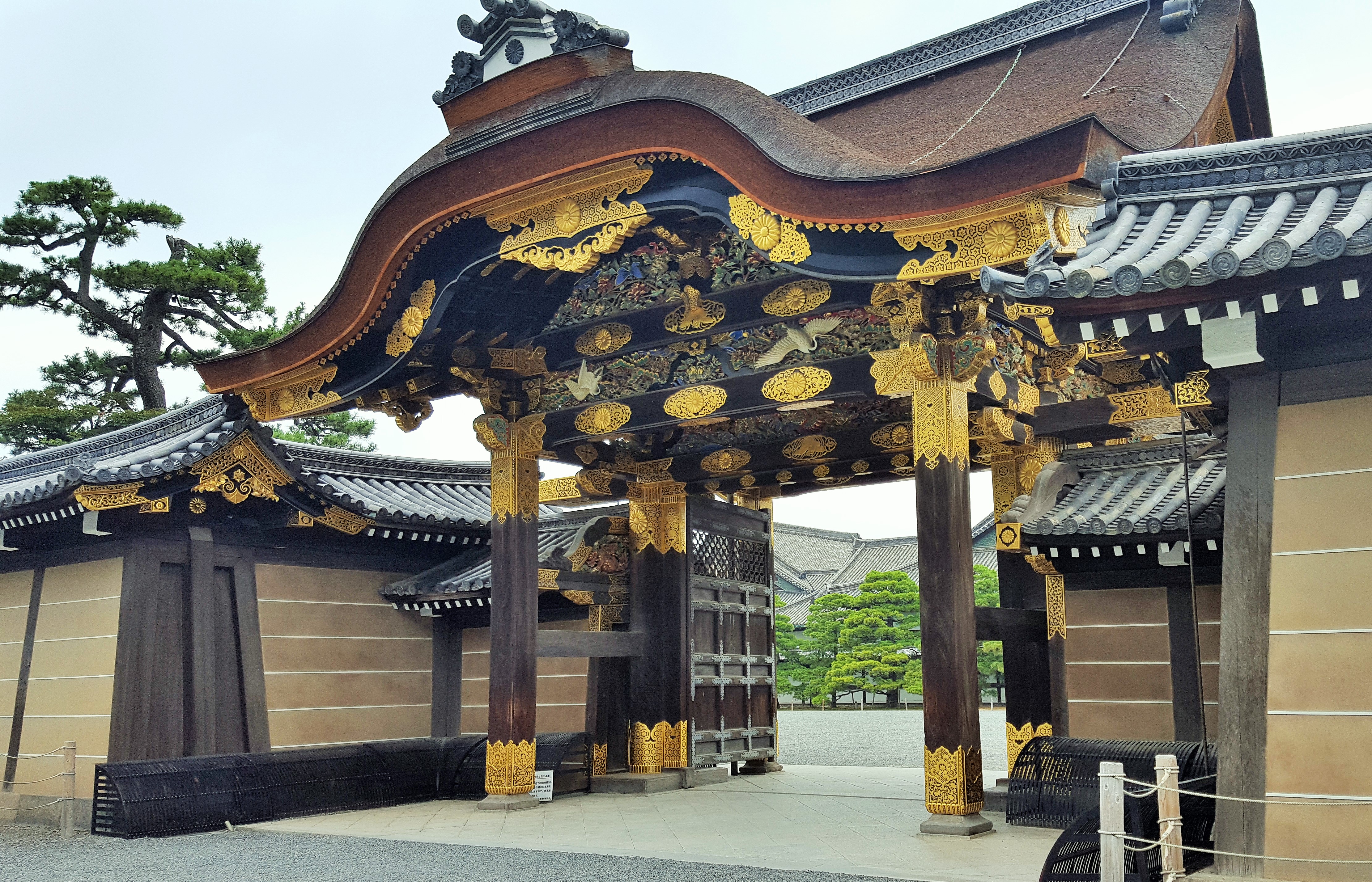
StandardWhat a humor of 二条城 administration staffers! Entrance tickets are called 入”場”券 at museums, amusement parks and railway stations in Japan while 入”城”券 here, pronounced the same yet the latter meaning a castle. Well, morning walkers like Shin and Mei-Shun passed by the front gate, which accommodated night guards in Edo Period (1603-1868), headed into the wide garden.
Joy at Kyoto: 2
StandardShin reserved a hotel in front of 二条城 this time. It is very nice to see such a popular sightseeing point through a window, avoiding crowd. Early in the morning, they enjoyed walking around the garden after breakfast. Another pleasure to stay here is a nice French restaurant “C’EST SYMPA“. They serve really beautiful dishes and wines for amazingly reasonable price, while net shopping is available.
Joy at Kyoto: 1
StandardShin and Mei-Shun purchased three 粽=chimaki, artifacts made of straw with purification ritual at 函谷鉾=Kanko-Hoko, 鶏鉾=Niwatori-Hoko and 菊水鉾=Kikusui-Hoko. It might not be right to buy so many, said to cause struggle between saints, yet they are too attractive to choose one. Interestingly, Kyoto residents look proud of hanging the most popular 粽 from 長刀鉾=Naginata-Hoko.
Japanese Culture@holiday
StandardShin and Mei-Shun enjoyed on Saturday 宵々山=yoi-yoi-yama, floats exhibition held two nights before 山鉾巡行=yama-hoko-junko, march of these portable shrines of Kyoto Gi-On Festival. Here is their favorite 舟鉾=Fune-Hoko, ship-shaped one. It reminds them of their first Gi-On experience more than 20 years ago, when they met Mei-Shun’s father by chance on the way to Kyoto.
Junto
StandardThey chose this name for the lovely Amazonian manatee at 熱川バナナワニ園. Meaning in Portuguese “together”, they express thankfulness to him staying with us so far and hereafter. It reminds Mei-Shun of a dog kept by the landlady of the residence Shin and she lived just after marriage. From 4th floor balcony, she often called him Jun-jun who never looked up to find her.
Acknowledgement
StandardUpper pair of shoes following below walked in Tunisia raining. Such a rare experience is only for them. Quite likened by Mei-Shun, they have worked hard debilitating themselves under sultry/frigid conditions, far away from normal obsolescence. Darlings, it was in 2010 spring that she asked Shin to purchase you on Internet. Seven years with you gave much to her. Farewell and thanks a million, take good rest.
Tokyo Chinese
StandardNot meaning those who live there with the nationality, Mei-Shun visited her favorite dian-xin restaurant in Shinbashi today. She and Shin enjoyed a lunch course including appetizer, soup, shrimp dish, beef one, steamed rice ball, fried rice and dessert. She would not like to mention that place, in order to keep it quiet. This is therefore especially for you kind followers.
Joy at 神楽坂
StandardOne of Mei-Shun’s favorite shops there is 陶柿園. They sell a lot of tableware including these chopsticks rests. Could you see cute fishes swimming in clear glass water? Real sight of them is available in a garden of 5-floor building where various restaurants serve you. Actually, it is not so easy to find such places along narrow, winding lanes. Why don’t you therefore enjoy no-map promenade?