People living there will see Gion Festival soon, envied by Shin and Mei-Shun. Since hotels are full reserved before 前祭=saki-matsuri and 後祭=ato-matsuri held on July 17th and 24th respectively, they visited there this weekend. It was by chance that 七夕=tanabata was chosen, the only night an year for a celestial couple allowed to meet with each other crossing the Milky Way.
Japanese culture
Sky Drawing
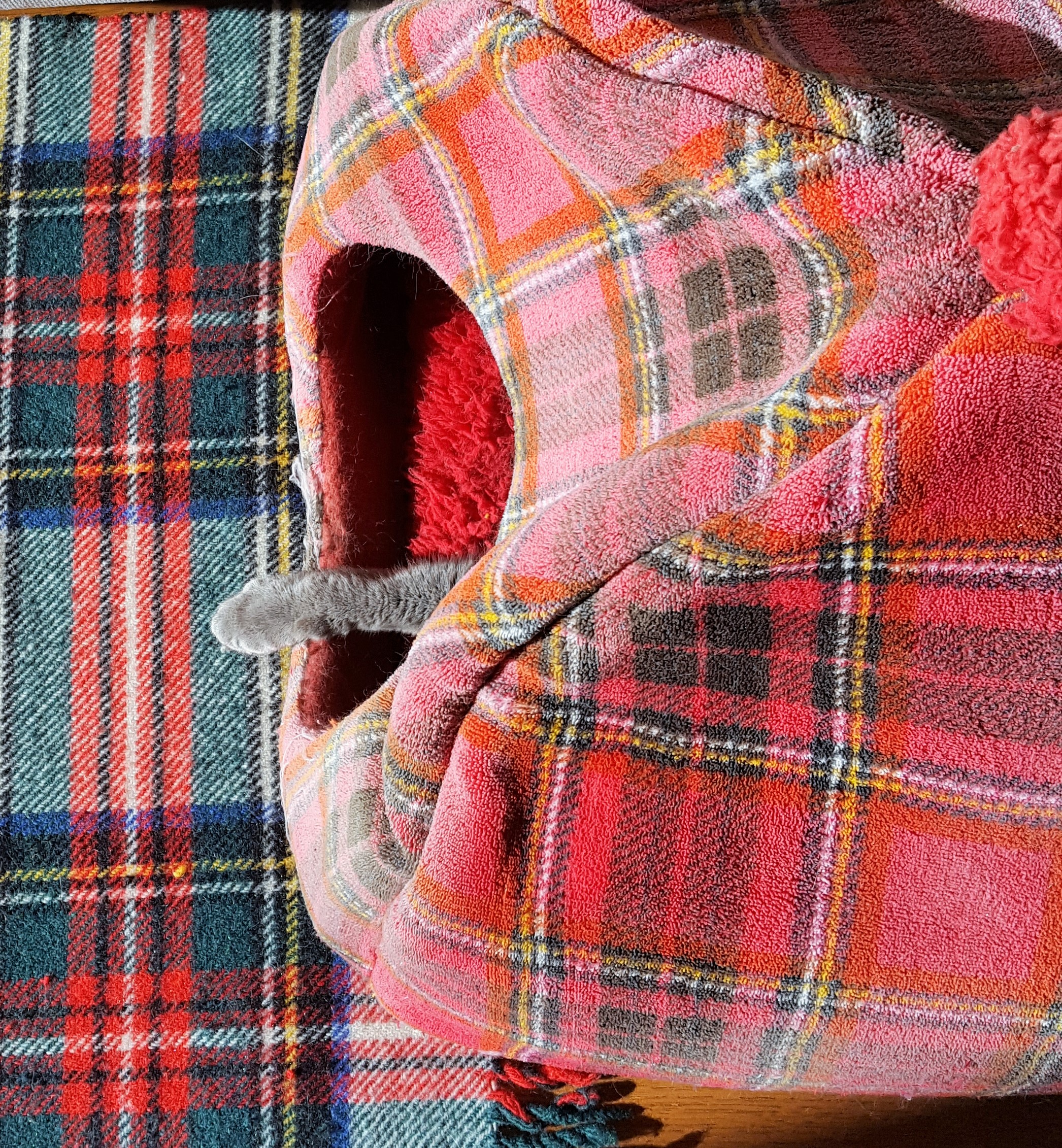
StandardHere is a photo of a cloud Mei-Shun has never seen before. She found it while walking back from the nearest shrine to home the other day. Shin is much better to take photos of mammoth creatures, kind enough to send one following below to his wife. Were you making an enormous carp stream above us? With no reply, he disappeared in a minute blown by gust.
Windy Walk
StandardMei-Shun put on a thick track suit under a down jacket, followed by earmuffs, gloves and a cap. Tall trees around her home were swaying a little at the top in the morning, allowed her to be in good time to walk out. 日先神社 has already begun preparation to serve us from coming new year. Tiny reception desks for 巫女=miko, shrine maidens are covered with snow-white cloth.
She Made It
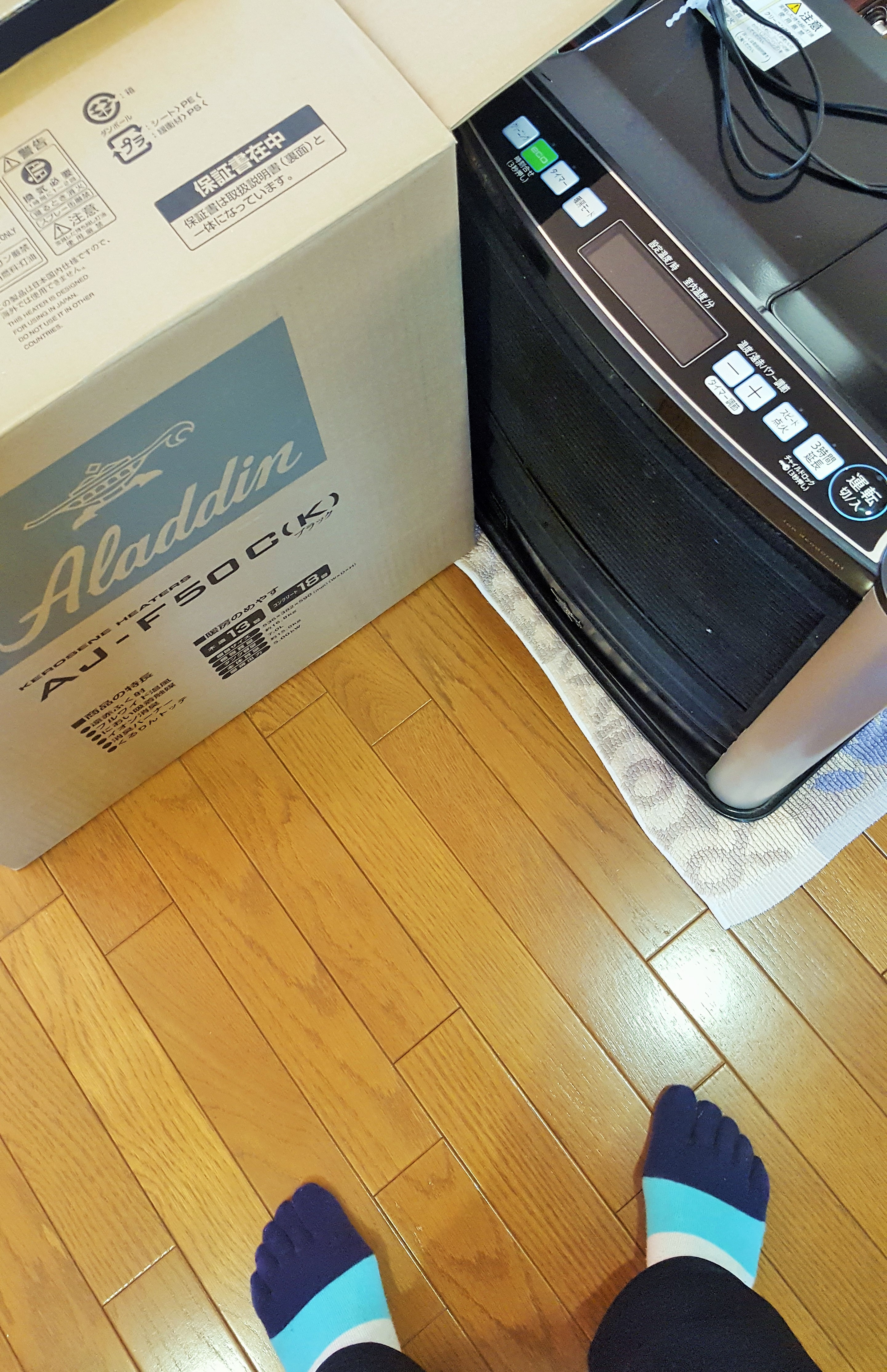
StandardSince we have 立冬=ritto, the first of winter 二十四節気 today, Mei-Shun decided to wake Mr. Aladdin up. So heavy and powerful he is, she must be very careful. In order to protect tatami mats, she spread them with two bathmats. Tipping his cardboard box toward her side, she put it on a mat before bending her knees to hold and set him on another. Now, it’s become easy to pull him to the living room.
Tea Room?
StandardMei-Shun’s hairdresser is a pottery lover. She often visits Kasama City, famous for good products, to choose pretty cups served to her customers. Recent one used for green tea was excellent with patterns of lotus flower, on a piece of lovely wooden coaster which looks like to be made of origami, art of folding paper. Such a space of relaxation, her shop is called a “hair room”.
Japanese Culture@wkday
StandardWe have 霜降=soko, the 6th and last of autumn 二十四節気 today. It means morning dew could be frozen by cold air, while the opposite temperature warmer than 20 degrees Celsius covered Kanto area after Typhoon Lan’s attack. It washed up Mei-Shun’s car as well who saw a mantis dry his/her wings in sunlight. Fourth-day crescent floats peacefully in western sky.
Pink Rice
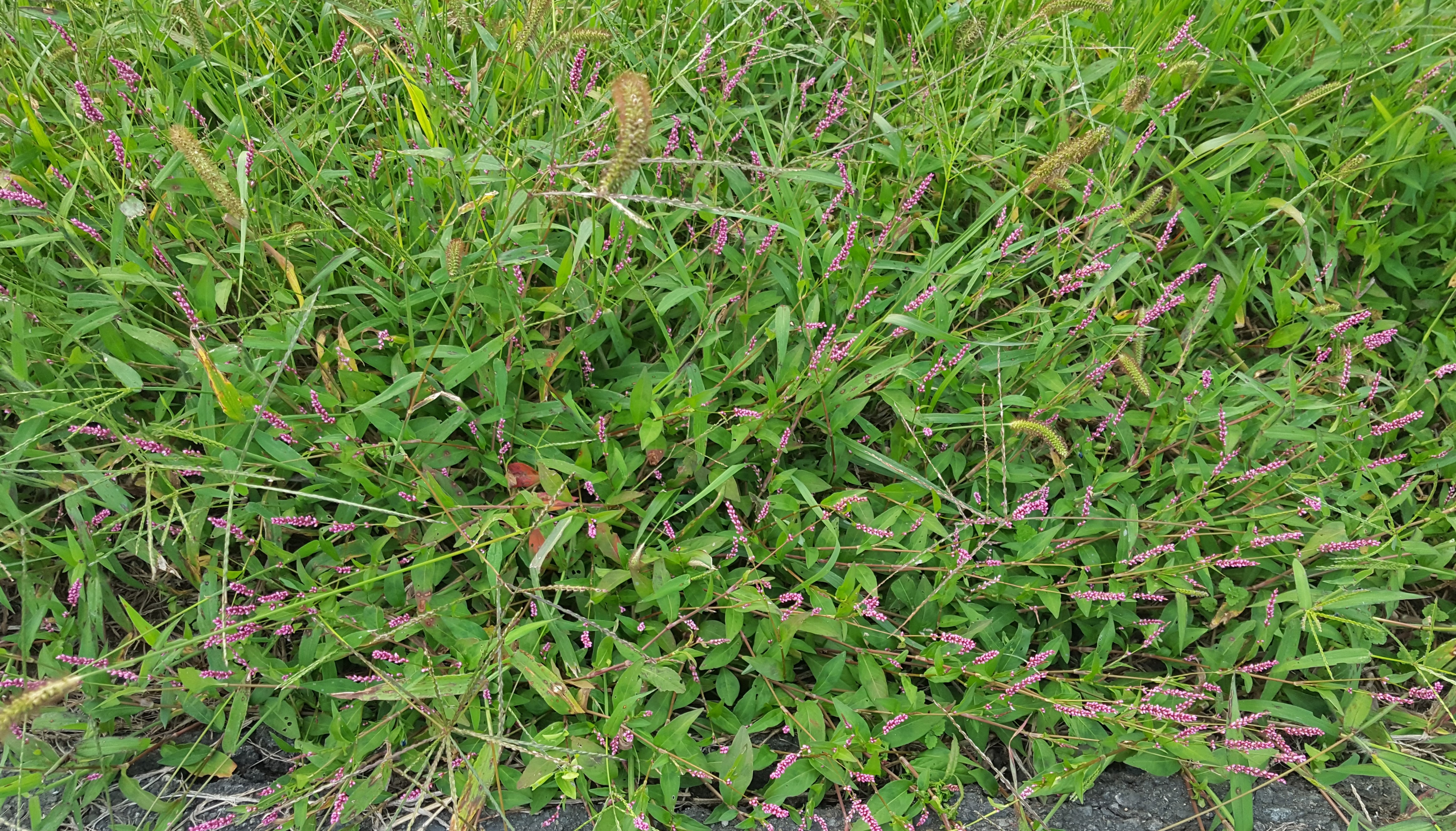
StandardIt is actually not, yet Mei-Shun called them so in her early childhood. (お)ままごと=(o) mama-goto, house playing was one of her favorite. It means to play a role of mother who serves good meal. She is not sure that was why she drew a omikuji related to harvest after finding that lovely plant the other day, while feels very happy. Shin’s one mentions fishing, together reminds them of good ancient days in Yayoi Period (300B.C.-250A.D.).
Listen, Listen
StandardThey are so curious. We should not speak ill of others along a lane between them, or they could absorb nefarious words to taste bitter. Harvested soon, we sincerely wish them taste sweet. It is interesting that only this space accommodates a different breed every year. Planted later than normal ones, they might not need so much sunlight compared to the latter.
Joy at Kyoto: 3
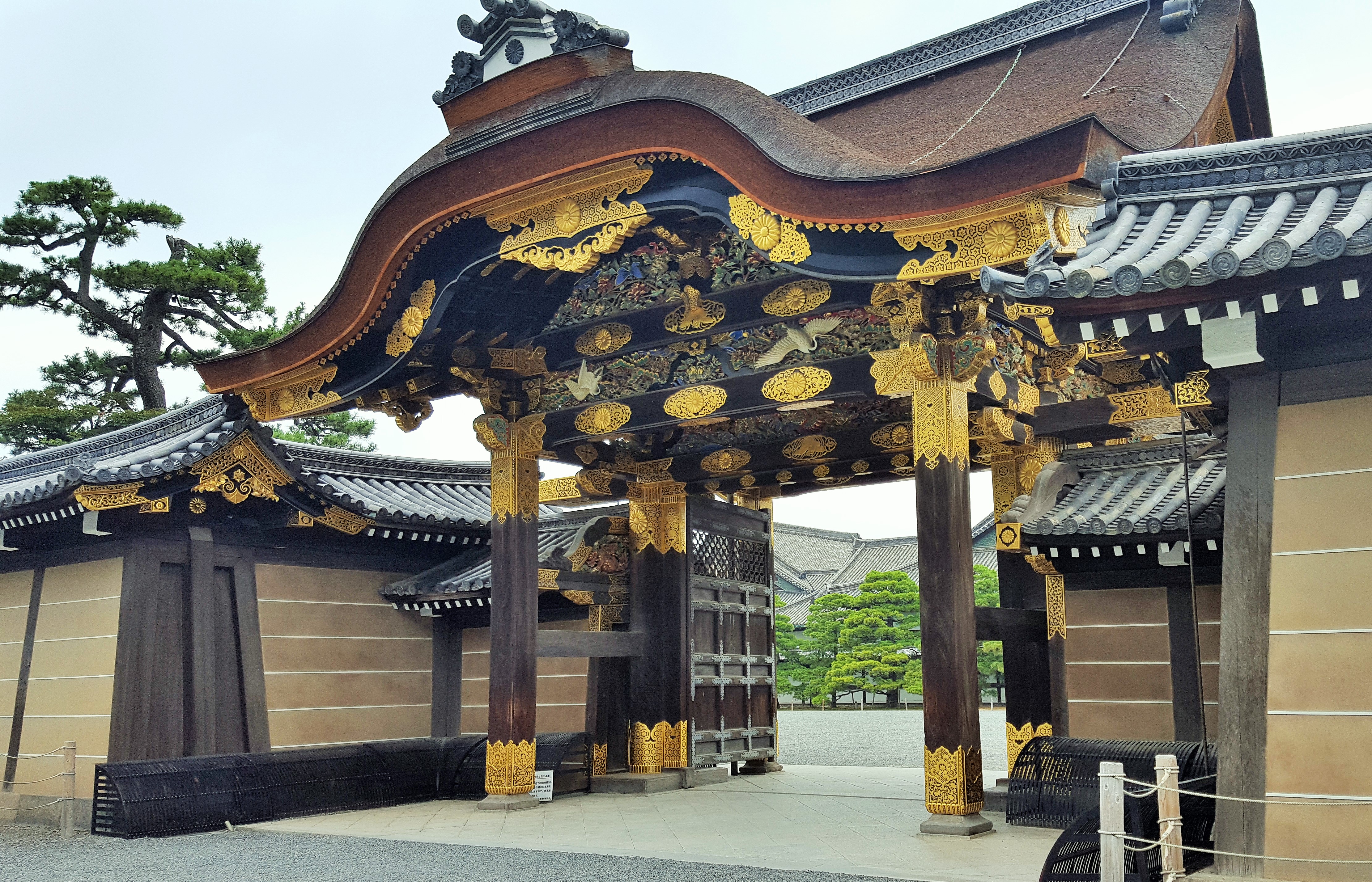
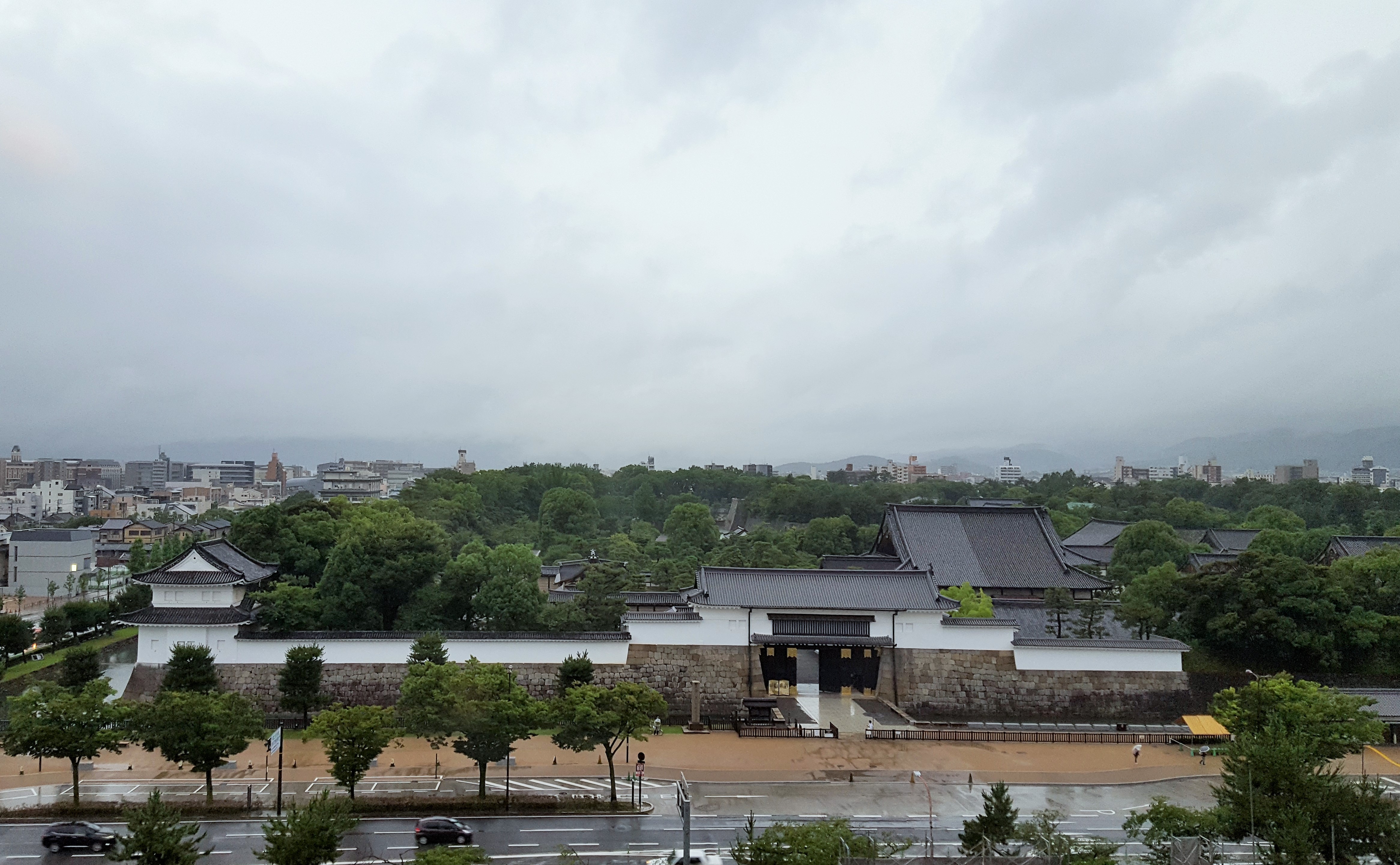
StandardWhat a humor of 二条城 administration staffers! Entrance tickets are called 入”場”券 at museums, amusement parks and railway stations in Japan while 入”城”券 here, pronounced the same yet the latter meaning a castle. Well, morning walkers like Shin and Mei-Shun passed by the front gate, which accommodated night guards in Edo Period (1603-1868), headed into the wide garden.
Joy at Kyoto: 1
StandardShin and Mei-Shun purchased three 粽=chimaki, artifacts made of straw with purification ritual at 函谷鉾=Kanko-Hoko, 鶏鉾=Niwatori-Hoko and 菊水鉾=Kikusui-Hoko. It might not be right to buy so many, said to cause struggle between saints, yet they are too attractive to choose one. Interestingly, Kyoto residents look proud of hanging the most popular 粽 from 長刀鉾=Naginata-Hoko.