One night later, shocked garlic looks all right in a soy-sauce pool. And that strong scent is recovered. Good boys, Shin would be satisfied with you. Osechi, rice cakes and sweets have made us weigh a little (?) more, so see you next week.


One night later, shocked garlic looks all right in a soy-sauce pool. And that strong scent is recovered. Good boys, Shin would be satisfied with you. Osechi, rice cakes and sweets have made us weigh a little (?) more, so see you next week.
As one of entertainments of the new year, we have 百人一首, Poetry by 100 Celebrities. Each poem has 5+7+5+7+7=31 syllables. Players would remember the latter 7+7 part of a poem, look for and take the card on which it is written. A reader would help with the illustrated cards of whole poems. The winner is a player who takes the most number of cards, yet the real joy of this game seems to be in the reading.


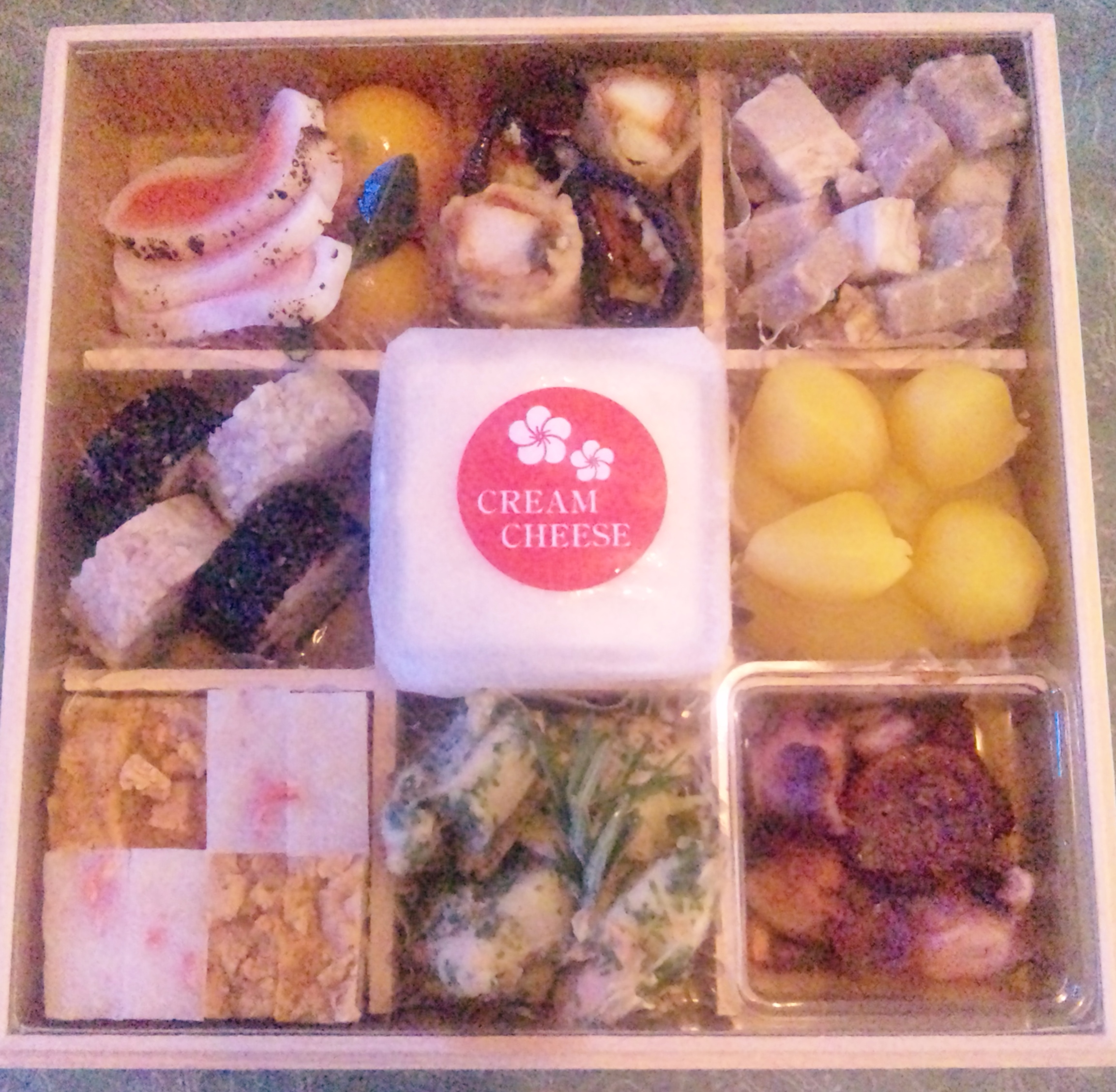
Akemashite Omedeto; A happy new year! As one of representative menus of washoku (=traditional Japanese cuisine), please find osechi below.
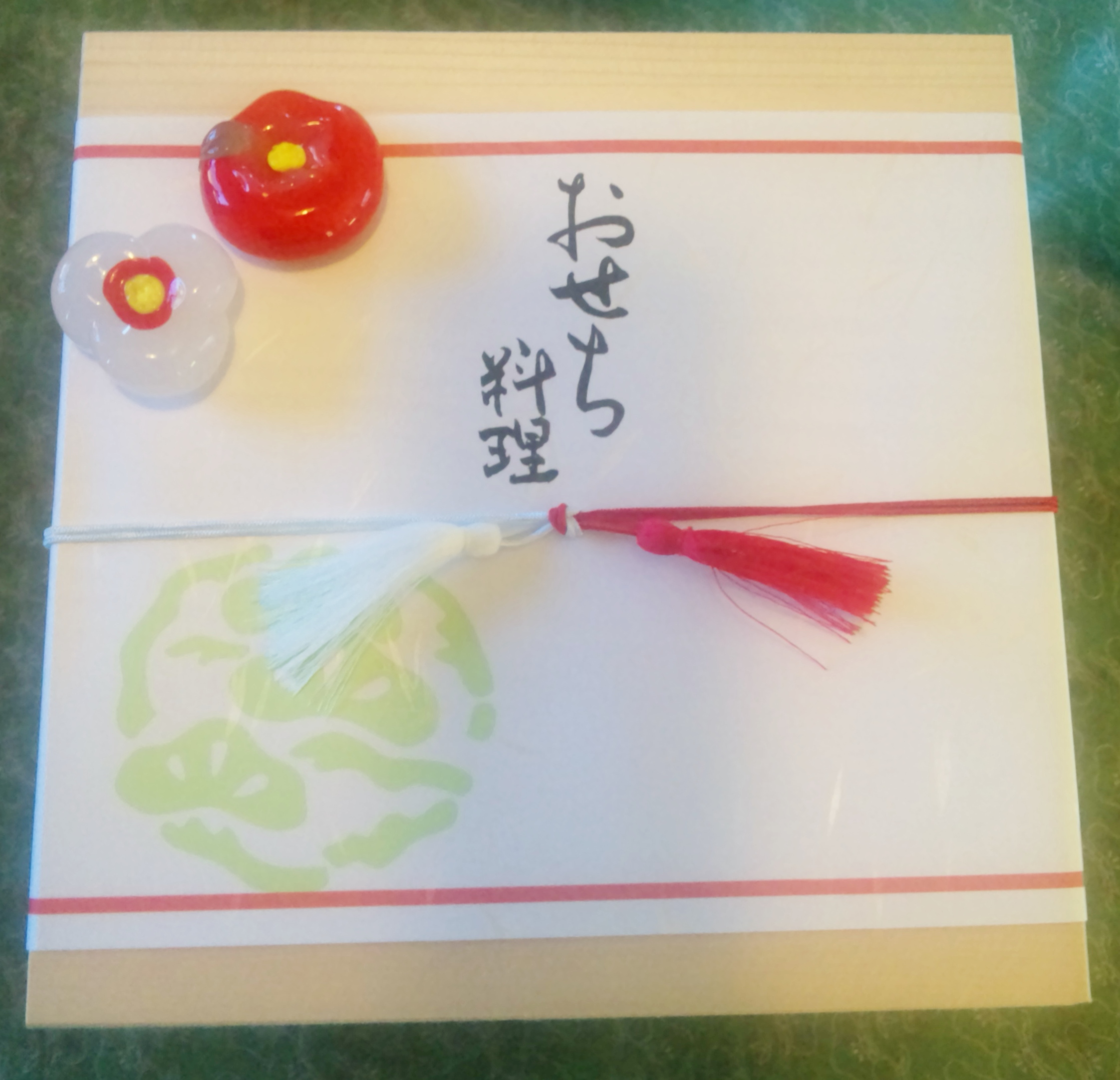
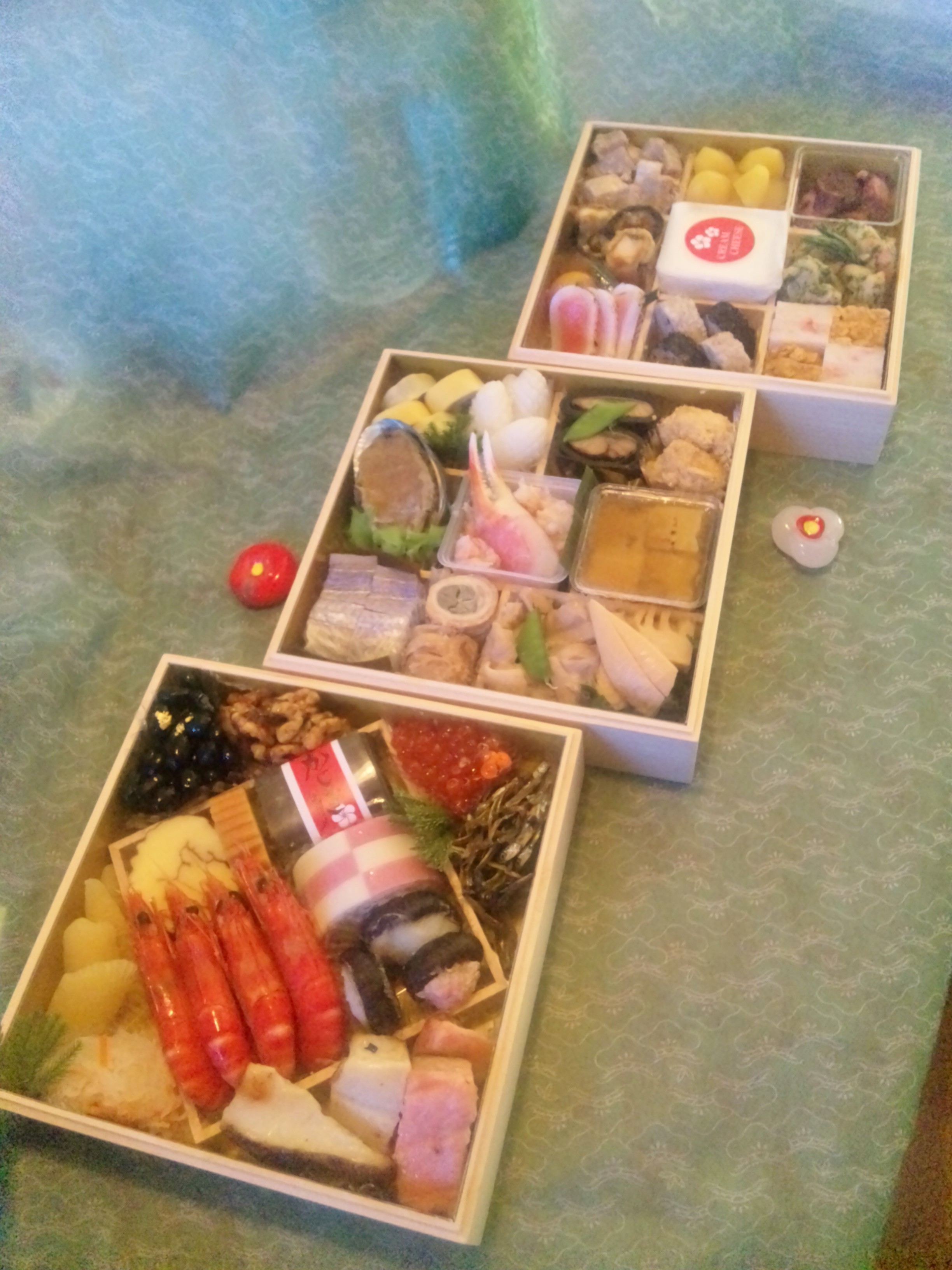
The First Box
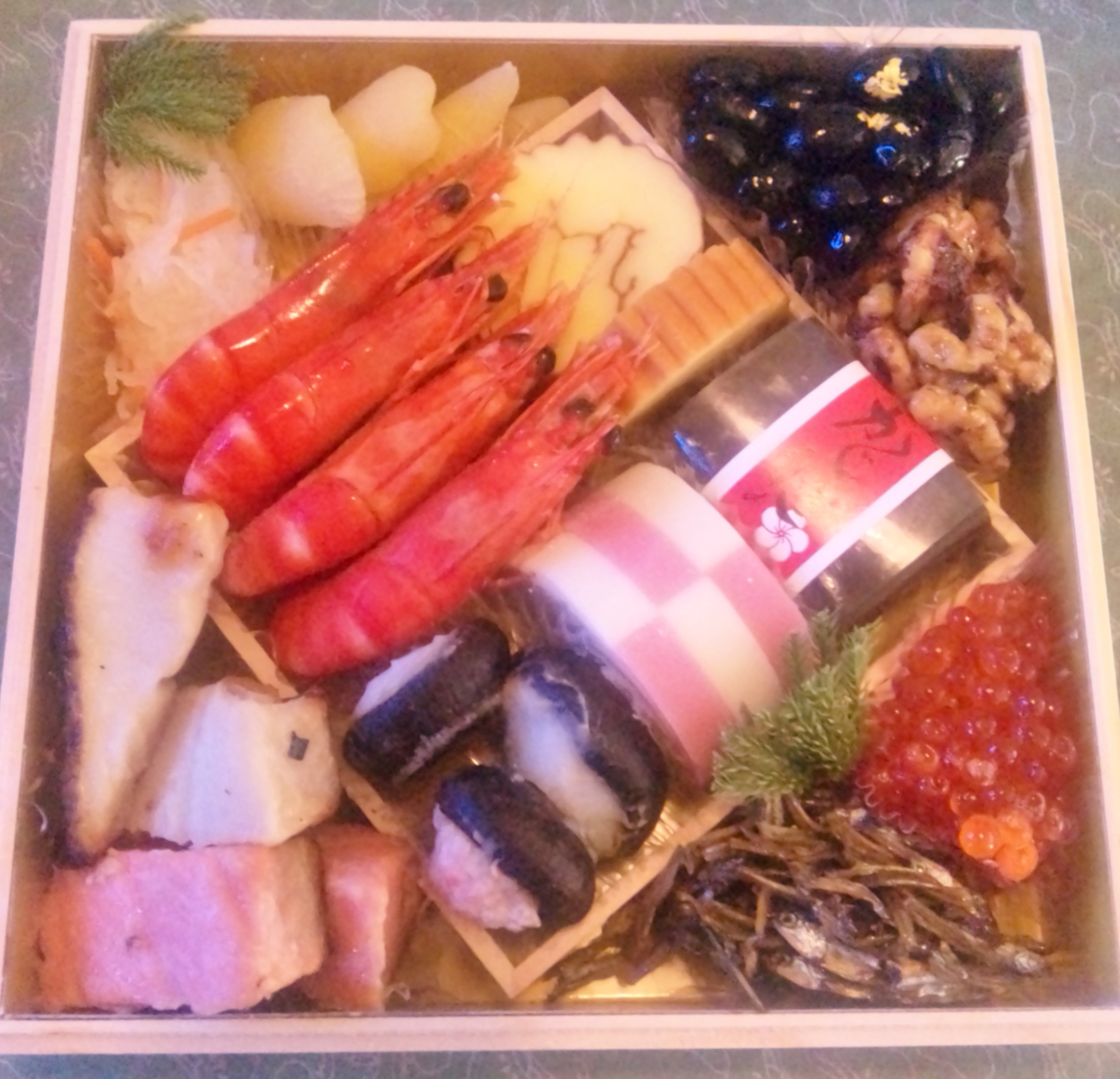
The Second
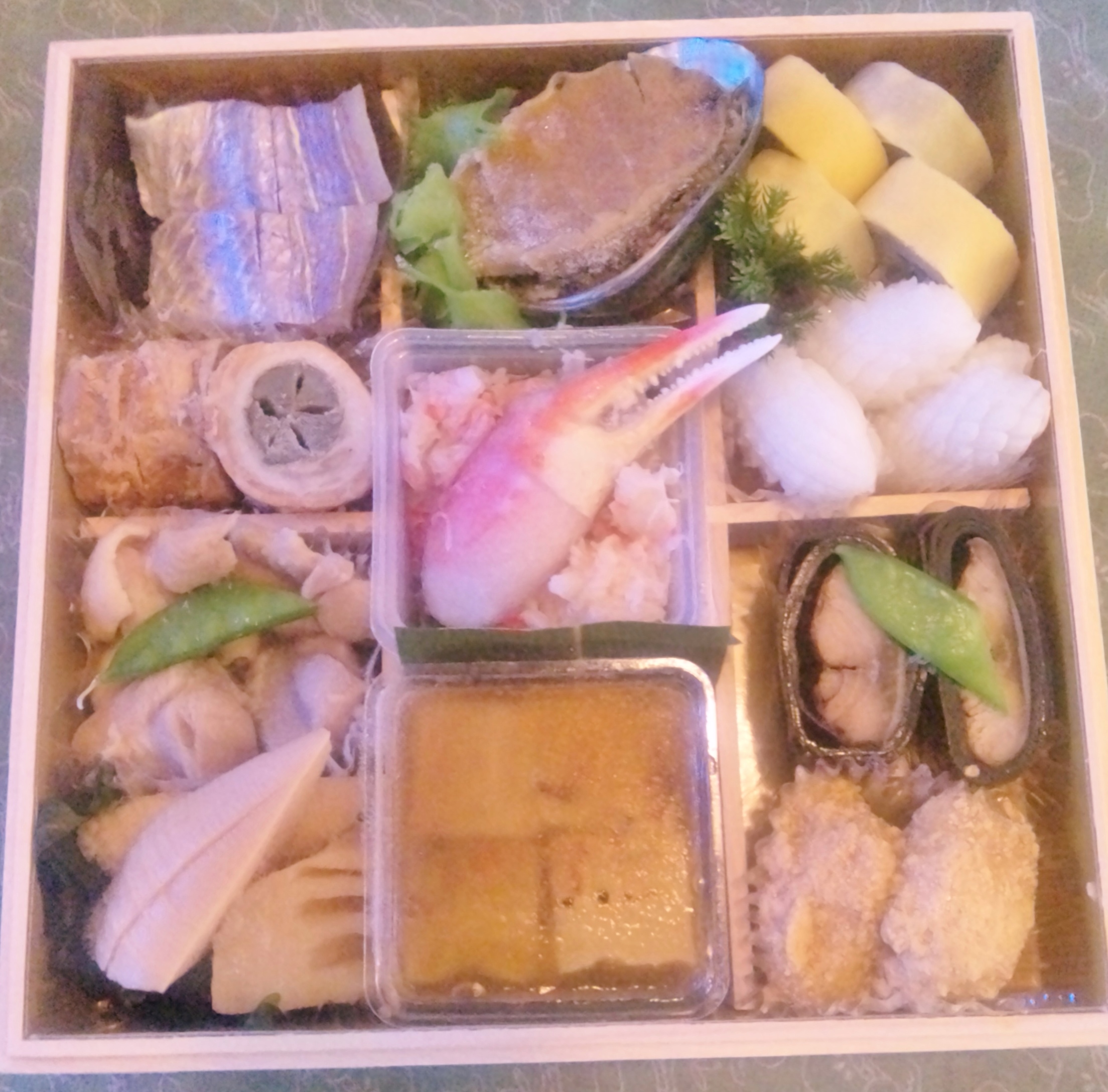
The Third (optional European/American Style foods)
New Year is coming soon. Let’s clean up your room to let your mind feel refreshed. Mei-Shun put her kimonos into winter order; yukatas must take upper position. Hello again, Ms. Biscuit. You would be put on for her first lesson.
Mei-Shun read that dried mushrooms taste good. Stored for longer, they make nice combination with miso soup, nabe, flavoured rice, etc. It is fine today, sunny enough in our living room. Would you like music too, Mesdemoiselles?

We have a ginkgo tree in the backyard. A little later than others in parks, it is turning into yellow these days. Fortunately, or unfortunately, “he” has no fruit of serious smell – that makes Mei-Shun happy but a little unhappy. She loves ginkgo nuts so much.

After 1-month interval, Mei-Shun saw Master Mei-Shu today. What would be on stage next year? We talked about it, mentioning a few candidates, and then started a short piece of dance anyway. Such ones are called “ha–uta” or “ko–uta” to mean short and light songs.
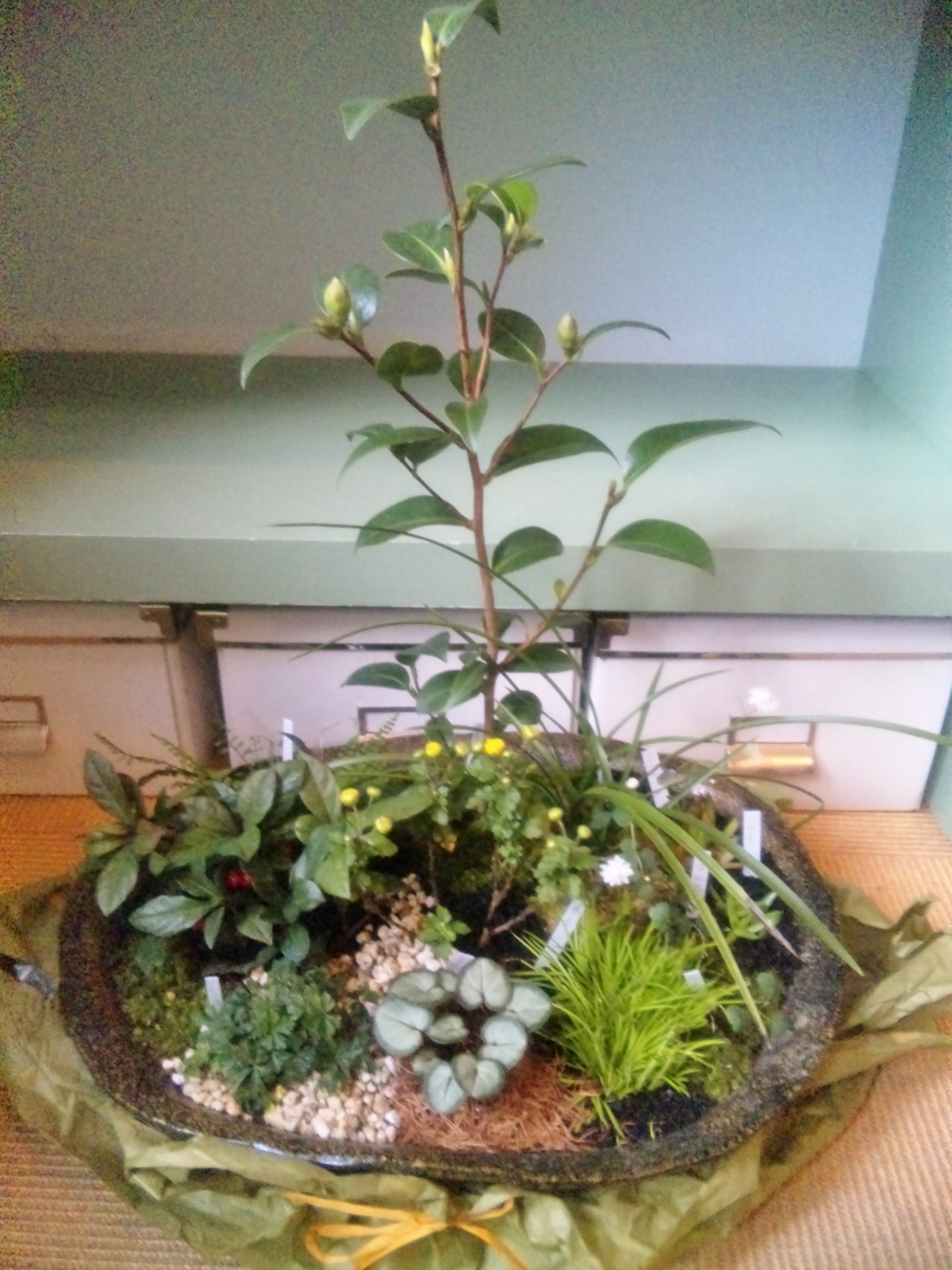
Excellent. Just excellent. Mei-Shun and Shin met Kaori-san, an illustrator Ms. KOGASHIWA, Kaori in Kyoto. Gallery “Merry-go-round” accommodates a bookstore and an exhibition space where you can see her fantastic works by December 3. And this chic flower as well, presented by her mother.

Nabe-mono, a Japanese cuisine quite similar to stew, is much preferred from late autumn to early spring. We serve ourselves boiled vegetables, meat and fish from a wide-open pot set on a cooking burner in the center of a table.
Botan Nabe by Hata-Kaku, Kyoto must be one of the best experience. Wild boar meat is served like a peony flower, simmered in white miso soup.

We enjoy much kind of “imported” celebrations today; Halloween and Christmas Day seem to join top three of them. On October 1st, all items celebrated the Autumnal Equinox Day are replaced by Halloween ones. Roppongi, Tokyo must have started this illumination from November 1st, representing the same for Christmas.


