
Mei-Shun’s last piano instructor Ms. S will play at a concert held in April by TIAA (Tokyo International Association of Artists). Hearing that they would award her as a talented composer on the stage, Mei-Shun felt so happy. However, Ms. S gave a shocking news today that her younger son had been injured in an accident, followed by a relieving one that his brain had no problem.
stage
First Lesson
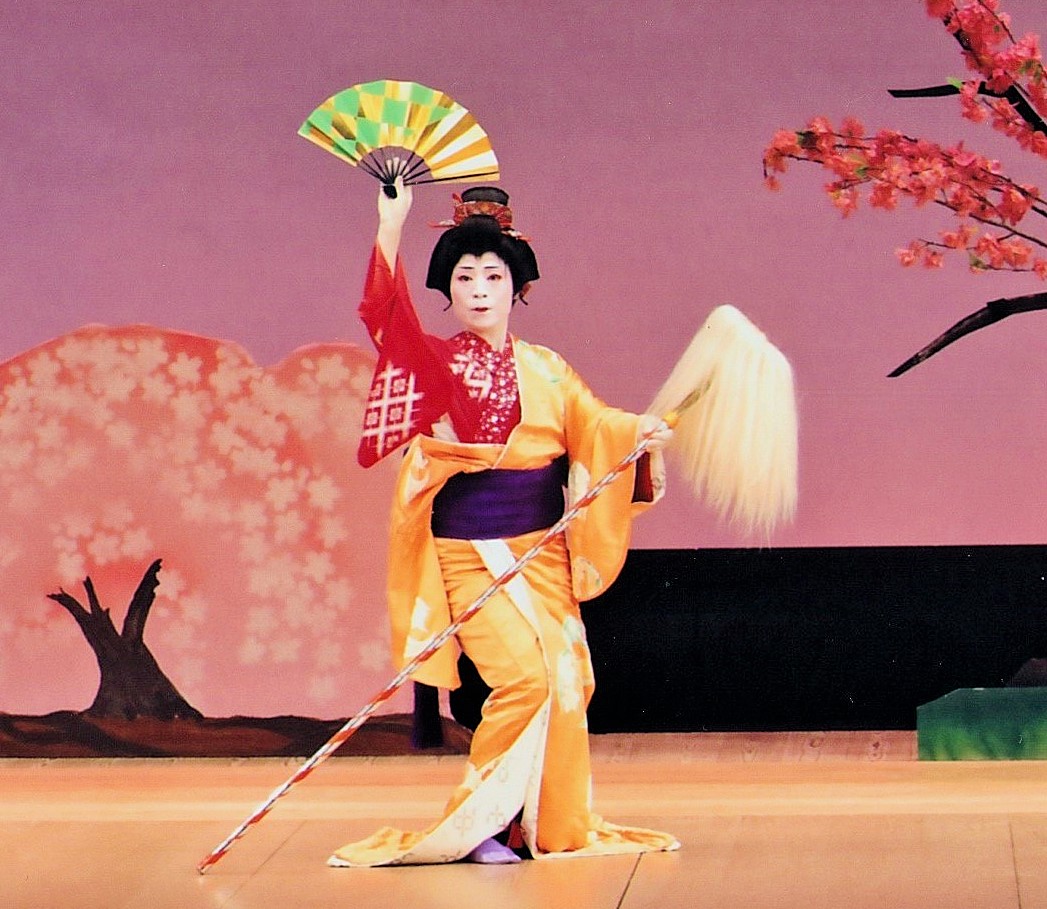
StandardMei-Shun’s 2016 performance would be 汐汲: Shio-Kumi. She is so excited with the work, one of her most admired. Actually, she had planned to play a role of young guy after a lady of narcissus. However, Master Mei-Shu recommended her to do it because the younger a performer is, the better for roles of beautiful ladies.
Suisen-Tanzen!
StandardHere she is on stage. Among professional shots is a piece by Professor S. DVD has also been delivered, yet Mei-Shun hesitates a bit to see it.



Last Lesson
Standard… before performance it was today. Master Mei-Shu is kind enough to encourage her student, saying “All right, well done. You are perfect”. Yes, this is the point of no return. All Mei-Shun could do is to prevent any accidents, including sickness and injury, to do her best on Sunday.
Fluffy Spear
StandardSo you have come to our hands. We asked our stage properties shop to rent him before performance. This white-haired head is not so heavy, yet the stick is much longer than expected. Mei-Shun felt it a good decision … Anybody needs a time to get used to it. Even if we pay for it, Master Mei-Shu.

From top …
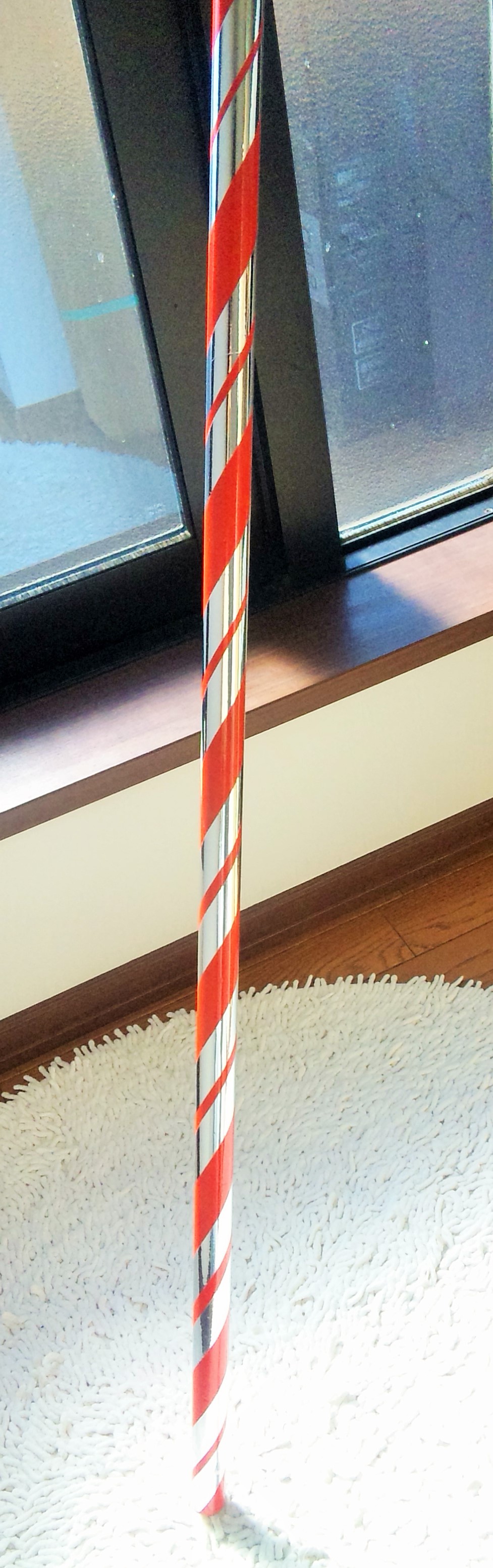
… to bottom.
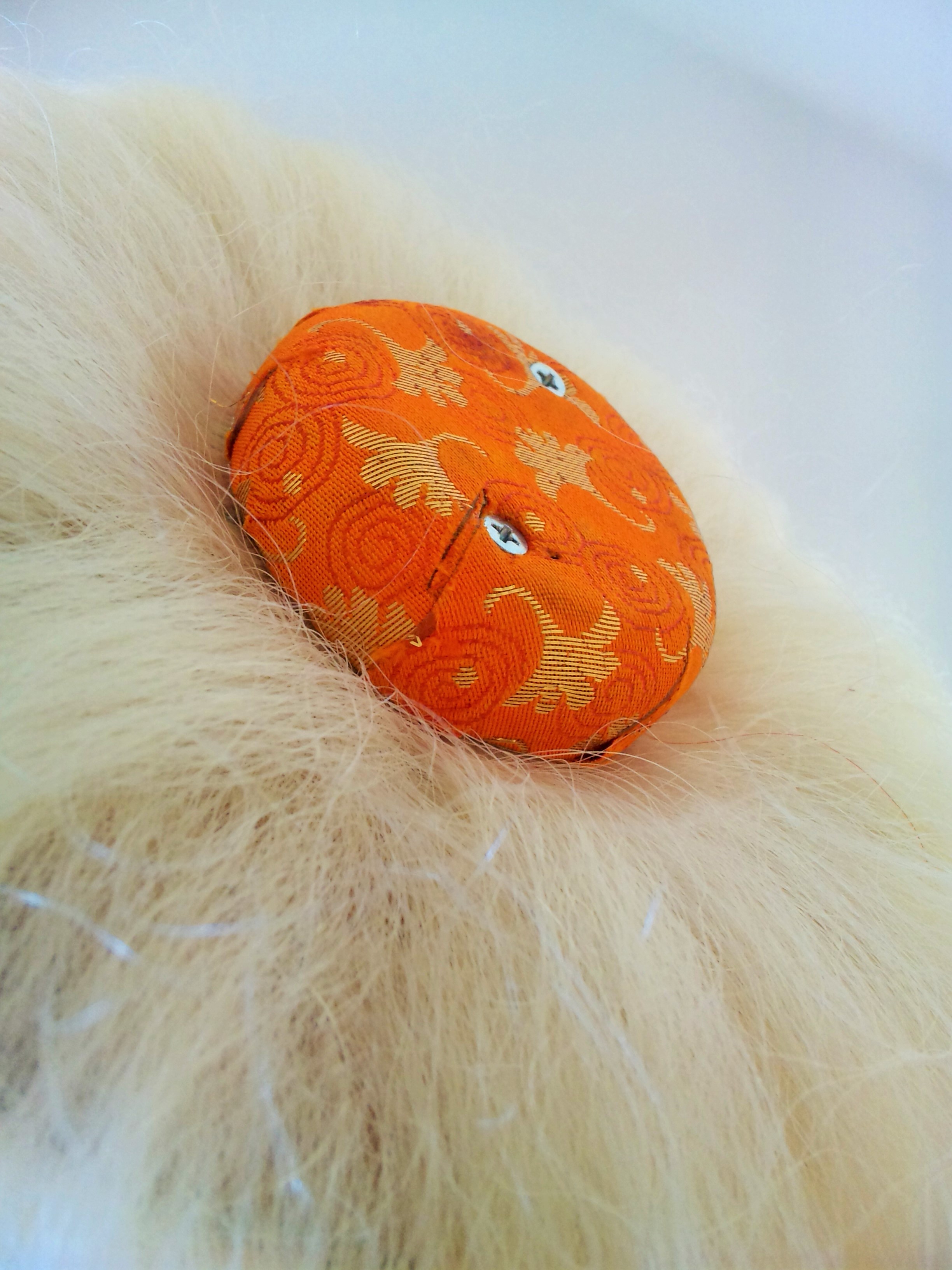
With a cap
Japanese Culture@holiday
Standard邦楽発表会 has been held one day before today so far. That gave us good convenience, since many of Mei-Shun’s friends interested in Japanese dance live around Tokyo. However, it was delayed toward 15th, Sunday this year. Our public holidays set in November do not apply to Happy Monday System, fixed on 3rd for Culture Day while 23rd for Labor Thanksgiving Day. We wonder why; the former accommodates a number of cultural events throughout Japan. Won’t you wish a national holiday followed?
Sincerely Expected
StandardMei-Shun’s mother has failed to see her daughter on stage for 3 times. For the first 梅の栄 (=Ume-no-Sakae, plum blossom celebration), she was too busy involved in community jobs. The second 島の千歳 (=Shima-no-Senzai, Ms. Entertainer) appeared during her trip to mountains. And she had a fever just one day before 越後獅子 dance last year. We wish nothing prevent her from seeing Master Mei-Shu, this time for sure.
Return Gift
StandardMei-Shun arranged makimono (=roll-wrapped item) for coming performance. Dancers are supposed to prepare it showing their thankfulness toward guest audiences. It must be light enough to carry, in proper size and full of wit. On the other hand, lunch boxes, tea, fruits, etc. would be served at waiting rooms for respective ryu-ha (=dance school). Invitation cards should be written before posted. So many things to do give a kind of excitement.
Tsubo-Awase
StandardMeaning a preparation for a stage, it is also called katsura (=wig) awase (=fitting). Contracted staffs start arranging items for respective dancers. Those who are in charge of wigs take the longest time to make metal bases from scratch. Kimono fitters are in close contact with small properties shops, so Mei-Shun asked them to lend her the spear two weeks before performance.
Wig Choice
StandardJapanese hairstyle for women had 4 basic 髷 (mage=bundling); 兵庫(hyogo)髷, 島田(shimada)髷, 勝山(katsuyama)髷 and 笄(kogai)髷 in Edo Period. Suisen-Tanzen normally employs a 島田髷 wig, yet our ex-head Onoe Kikugoro VII uses a 兵庫髷 one. And that is why Master Mei-Shu chose the latter, looking very handsome with a gorgeous 打掛 (uchikake=long kimono). Mei-Shun would like to look like her on the stage soon, at least in style.
 meishunkikunoe