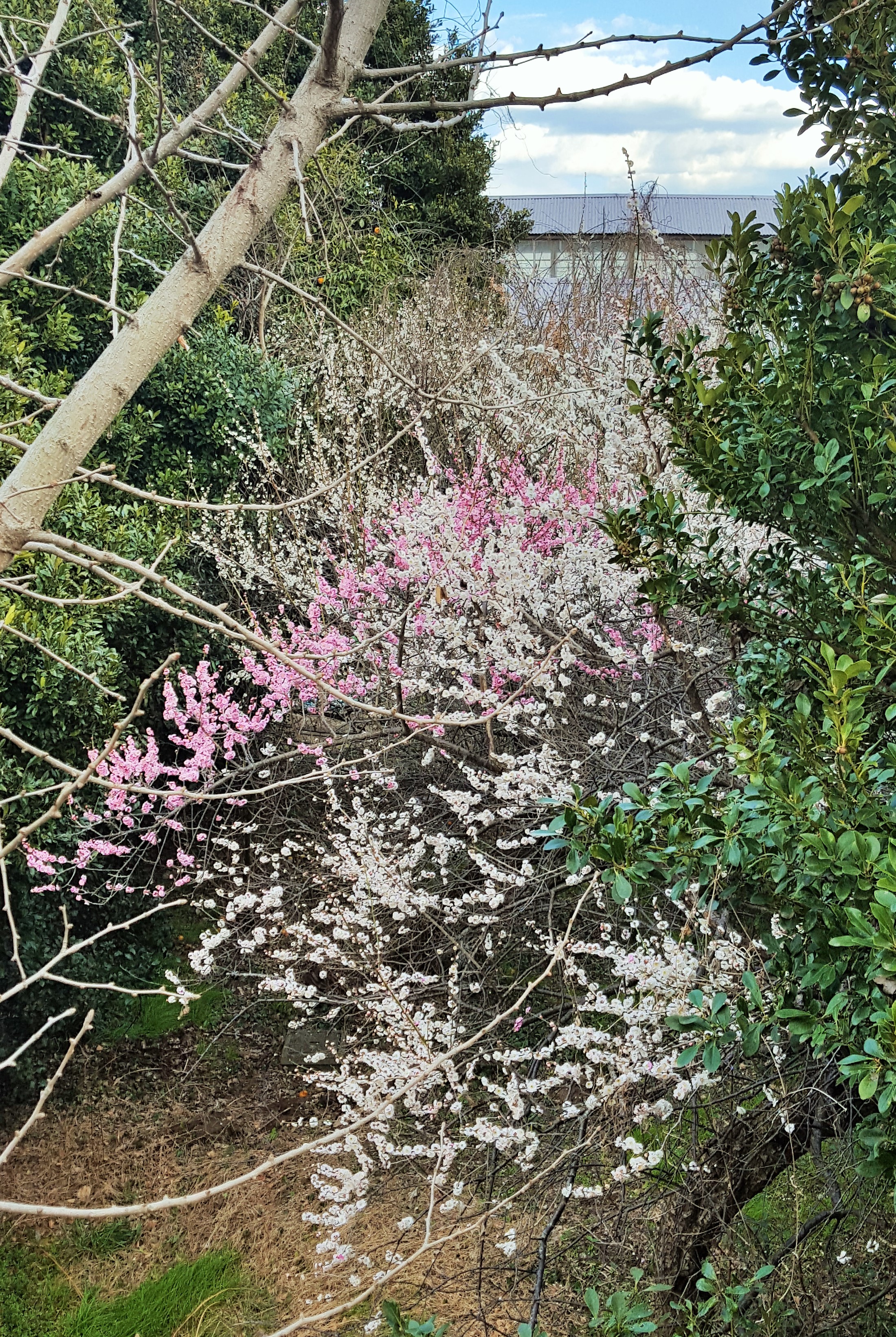
Mei-Shun walked to the nearest shrine as usual. She heard a pheasant guy call his partner on the way, for the first time of this year. How nice to see you again! … oh, not really because she could not catch him in sight. They are so good at hide-and-seek games, make us human beings ever losers. No problem, you kindly tell us that we are in the middle of spring with 啓蟄=keichitsu, the third of spring 二十四節気 yesterday.
Japanese culture
Girls’ Day
StandardIt is today, while Mei-Shun’s best party was held 2 years ago at the hospital she stayed. After operation, she started to eat from soup and fruit juice. As was rice porridge with 七分粥, 70% grain seen on the 5th day for lunch served with a tiny bag of ひなあられ=hina-arare, sugar-coated puffed rice. It is one of special sweets for March 3rd celebration, worked as a warm reminder of normal life. A lovely card was attached saying “we wish your prompt recovery.”
Dojoji: 2
StandardThey held a memorial service for the lost bell burned down with 安珍. Women were prohibited to enter 道成寺 site after 清姫’s affair, yet they allowed a beautiful 白拍子=shirabyoshi, dancer in entertainment business to come in. They gave her a 烏帽子=eboshi, formal cap for guys to dance putting on and made it an excuse of letting her cross the threshold. Actually, she was a vengeful spirit of 清姫. That is why she dances to lyrics starting from 鐘に恨みは数々ござる=I’m full of grudge towards the bell.
Dojoji: 1
StandardPrecisely, 京鹿子娘道成寺=kyoganoko-musume-dojoji. It is based on a 能=noh featuring Legend of 安珍=anchin and 清姫=kiyohime. 安珍 was a handsome monk visited 熊野 Shrine. He stayed for a night at 清姫’s home who fell in love with him at first sight. He refused her, running away to hide under a big bell of nearby 道成寺. Furious 清姫 changed into a fire-breathing dragon and burned him to death. Hundreds of years later, 道成寺 monks constructed a new bell.
Joy of Sweets
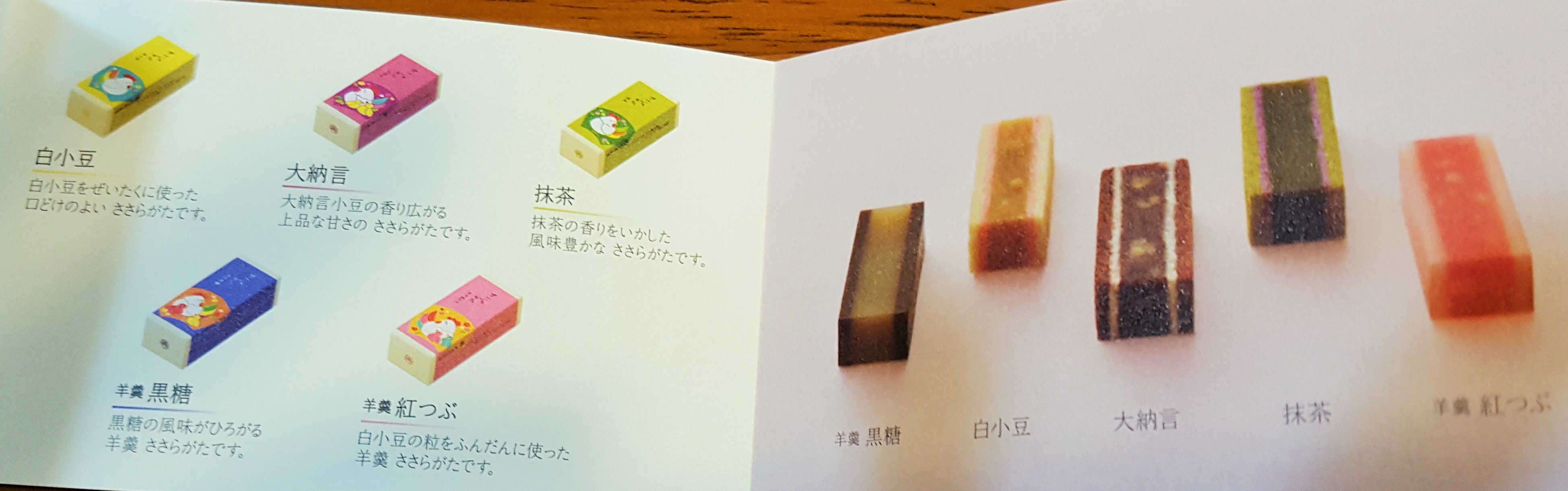
StandardShin’s 干支=eto, Chinese zodiac symbol is 酉=tori, rooster celebrated in current year. That is why Mei-Shun ordered ささらがた=sasaragata and 冨貴寄=fukiyose featuring 酉 respectively. Her custom to give the latter to 年女 or 年男=toshi-onna/otoko friends and family members started three years ago. 2014 was 午=uma, horse year in which her elder sister was born. On the other hand, it was Professor S who served the former when Mei-Shun visited her home for the first time.
3rd Snow?
StandardActually, Mei-Shun saw the second on 14th for just a moment. She found it started at just 9:00 this time. According to the weather forecast, it should have been a rainfall around here — maybe because we have 大寒=daikan, the 6th of winter while the last of 二十四節気 today. The coldest season in an year means that we have only to endure it for 2 weeks. With lunar New Year’s Eve next week, shall we enjoy this frostiness wrapped in thick coats, long boots and furs?
Japanese Culture@holiday
Standardあけましておめでとうございます。A Happy New Year!
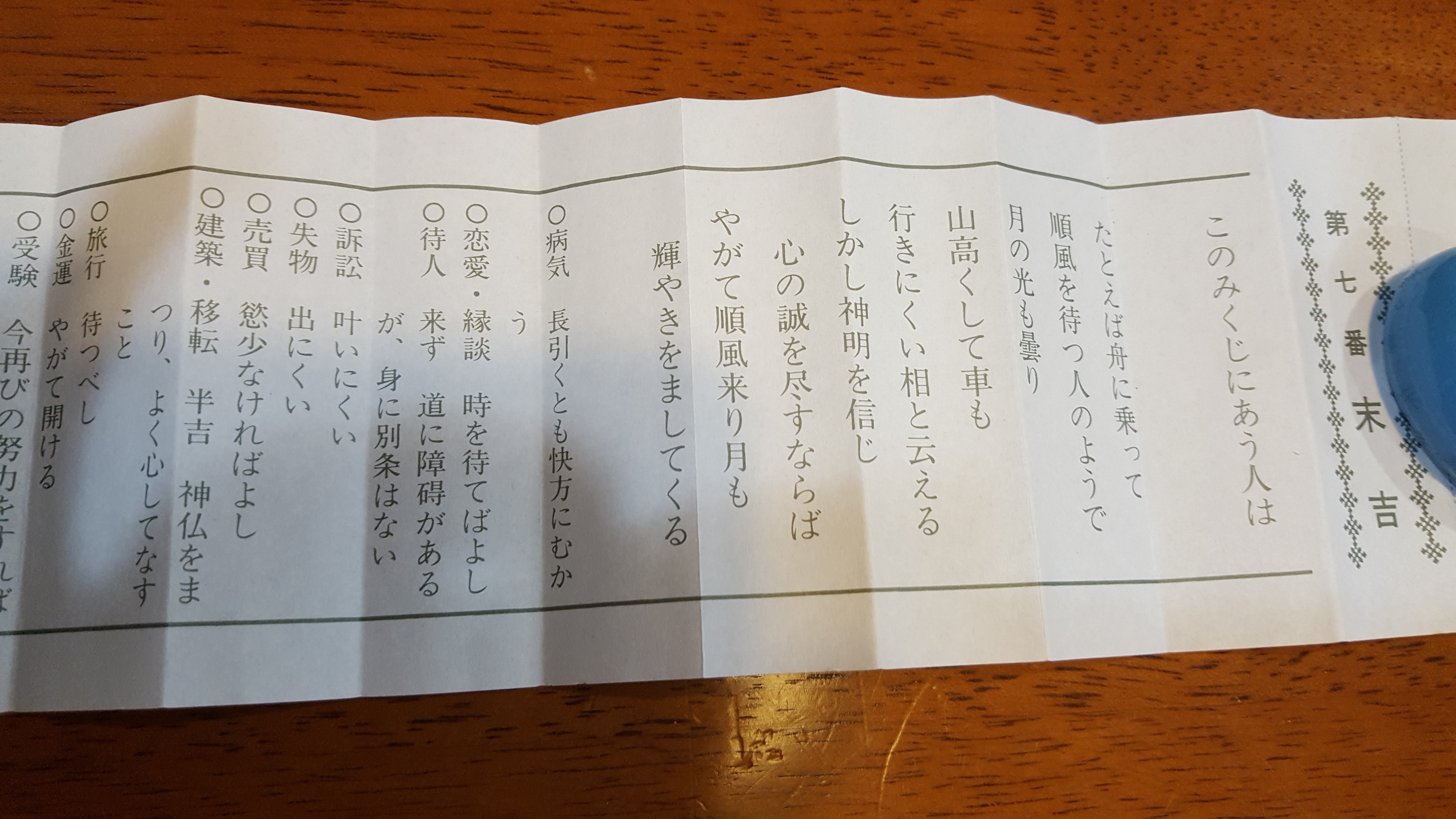
This has become 寝正月, sleepy new-year holidays for Shin and Mei-Shun. He brought a cold to home, making her have the same symptom — sore throat and a slight fever. It is never seen to affect their first omikuji of 2017, yet he drew 小吉 while she did 半吉. The latter means half lucky, the worst among 吉 lots. They therefore tied them on a 南天 branch grown in the shrine garden to avoid such ill-fated souvenirs.
As You Like It
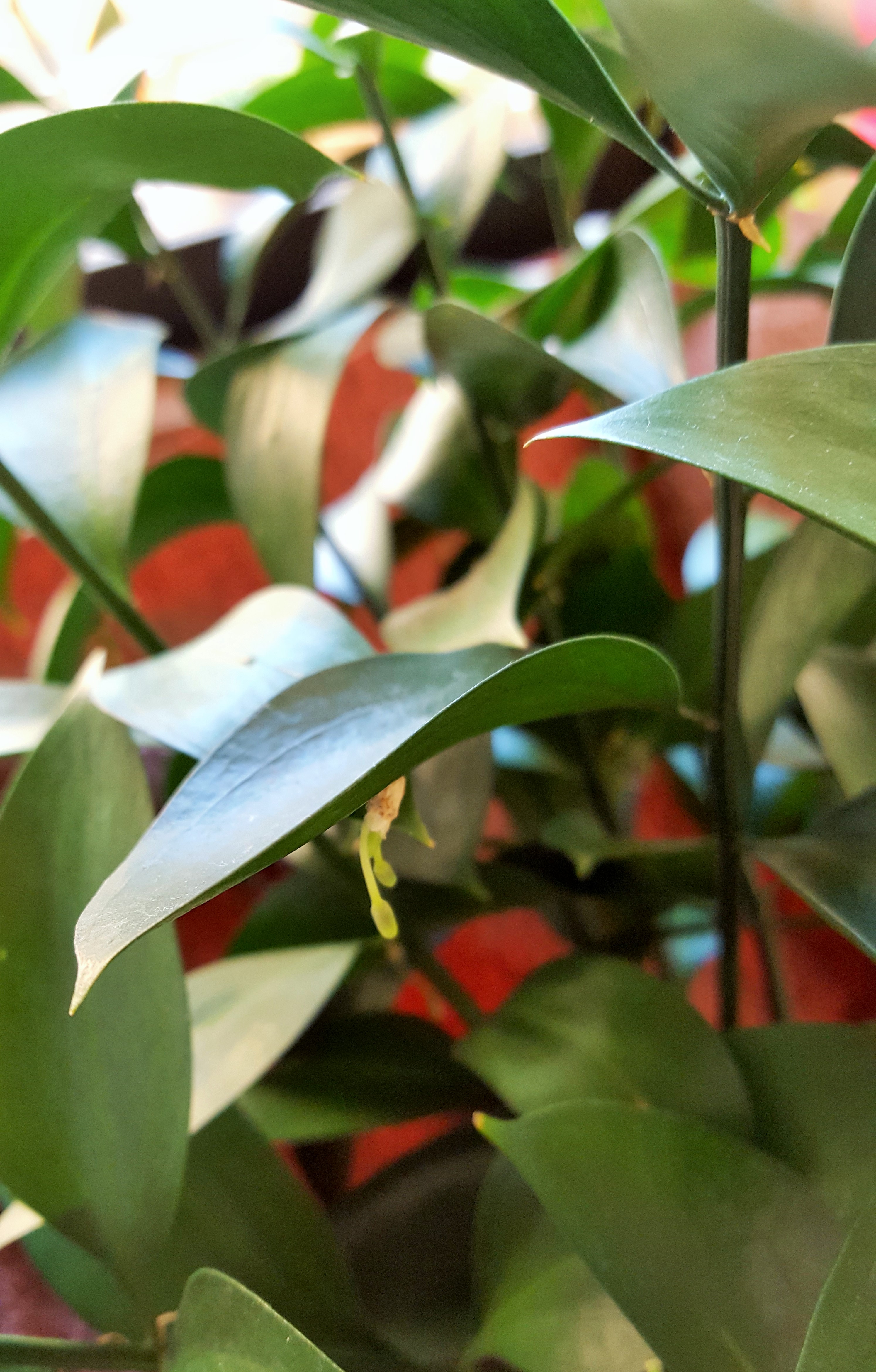
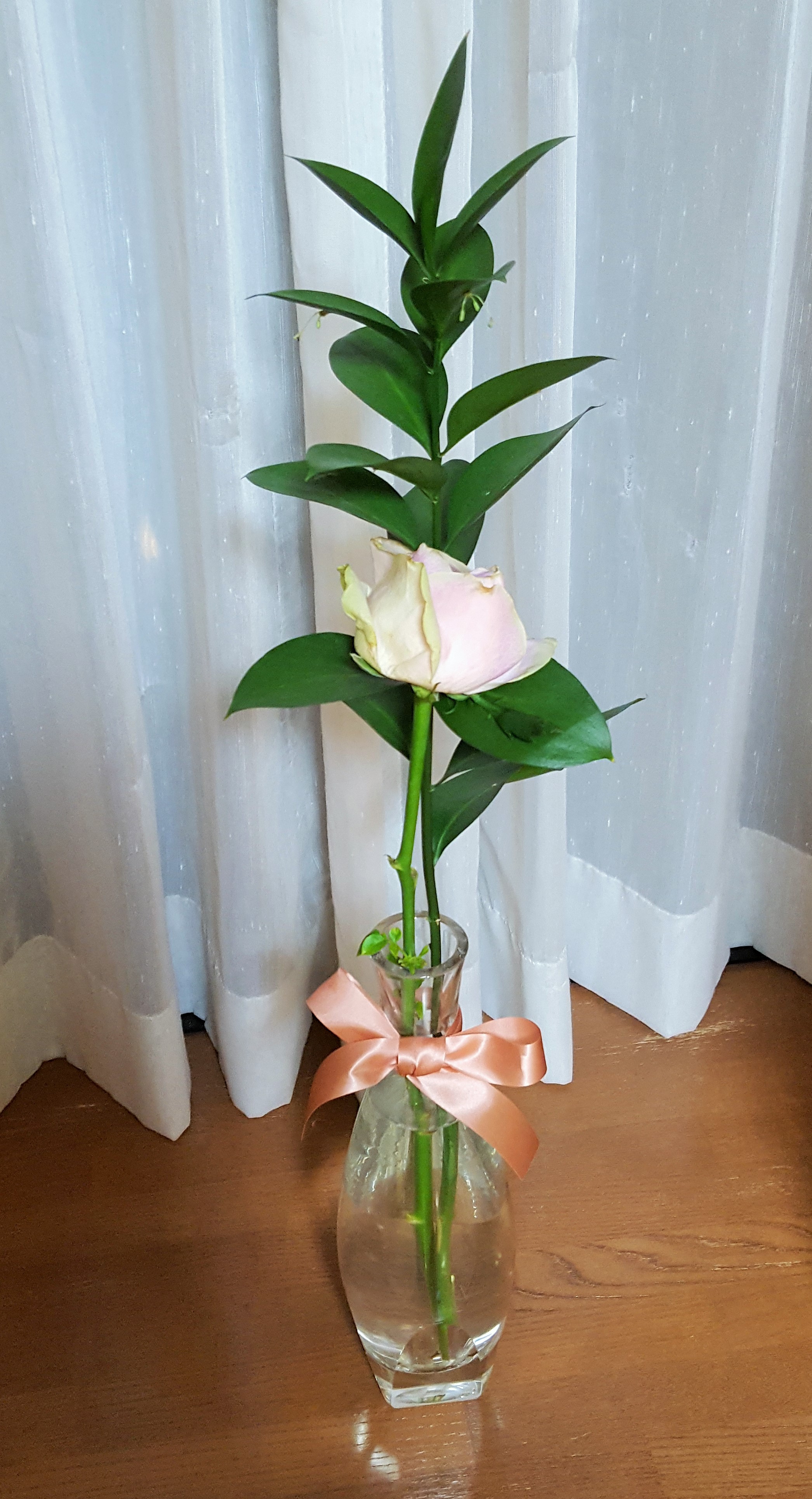
StandardThey look so cute, don’t they? And it depends as well. They are free to choose places to bloom; some are on the leaf while others below. They accompanied the bouquet of 40 roses, gift for松風 or Mei-Shun from her prime patron Shin. We have not seen them until she dismantle the big bundle to clean. Such humble supporters are sincerely respected in Japan, called 縁の下の力持ち=en-no-shita-no-chikaramochi. One of them keeps to help the last rose for longer than a month.
Japanese Culture@holiday
StandardShin and Mei-Shun walked to their nearest shrine. Omikuji for the latter is as follows:
第七番 末吉 The 7th The Least Lucky
このみくじにあう人は 例えば舟に乗って 順風を待つ人のようで 月の光も曇り 山高くして車も行きにくい相と云える しかし神明を信じ 心の誠を尽くすならば やがて順風来り 月も輝きを増してくる
For those who see this sacred lot, it is like waiting for wind aboard a boat with moonlight deterred by clouds, mountains too high to go across by car. Belief in the Goddess Amaterasu and honesty would let them go ahead with good breeze and bright moon.
Japanese Culture@wkday
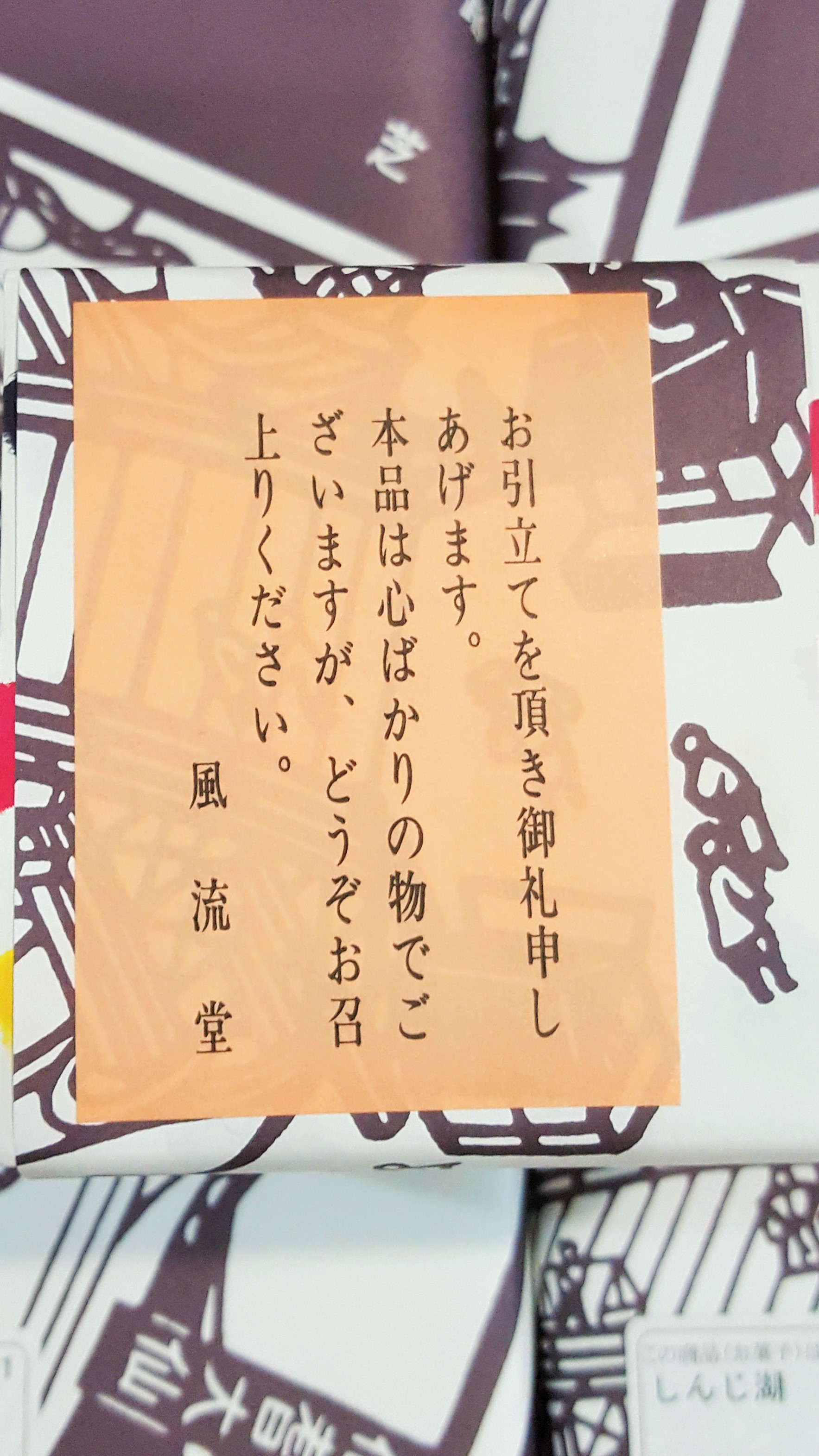
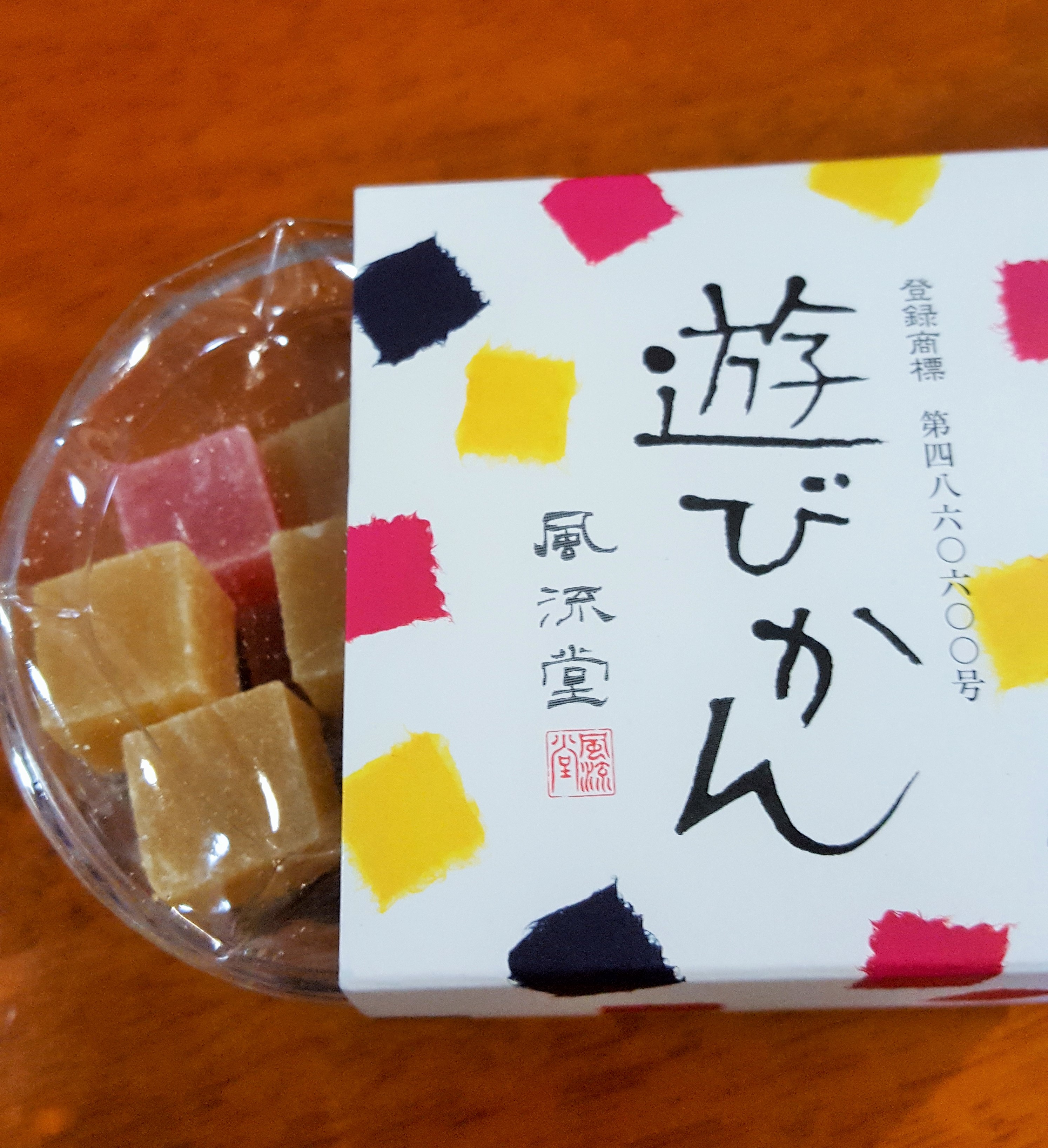
Standard風流堂=furyu-do, based in Matsue, Shimane Prefecture is on Mei-Shun’s favorite Japanese sweets shop list. When their products were available at the nearest department store, she used to visit there to buy seasonal gifts; 御中元=o-chugen in summer, 御歳暮=o-seibo in winter. However, as informed that the store will be closed soon, she started internet shopping. 風流堂 is so kind to send her a handwritten letter and a little gift attached to ordered goods.