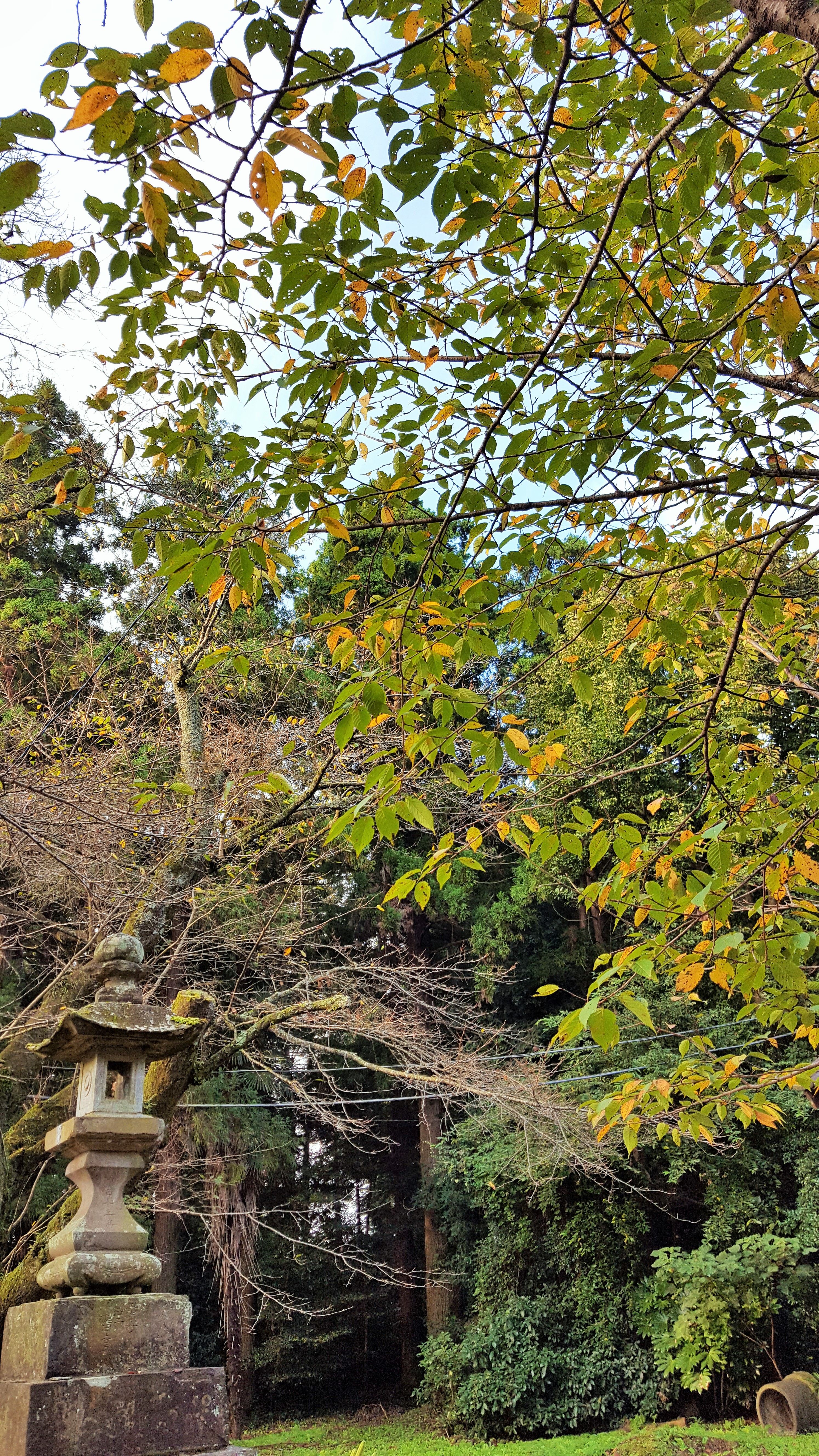
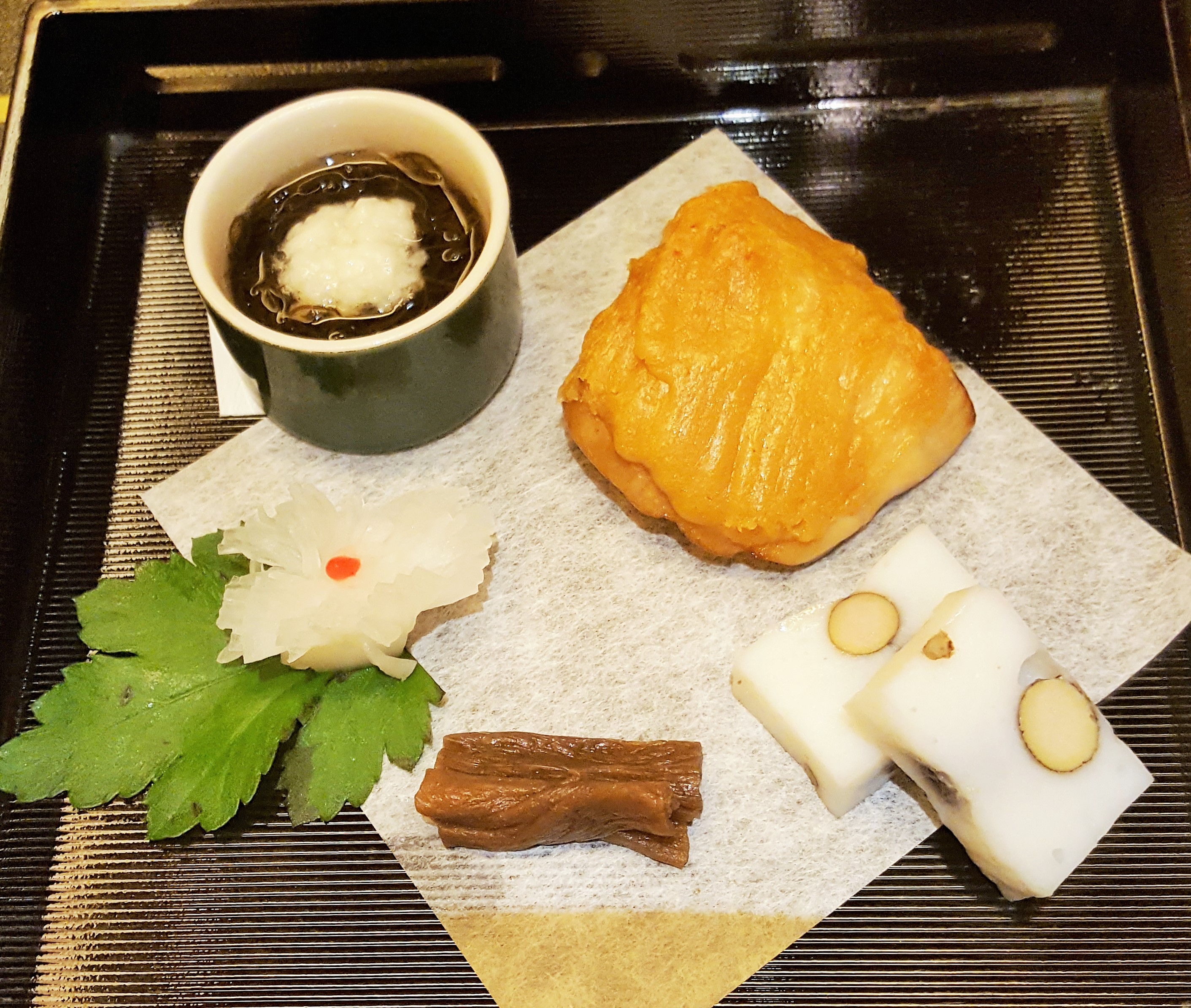
Mei-Shun went out with Shin in the morning to visit a beauty salon in Shinagawa. With advice by her designated hairdresser, she got a curling treatment. More than 20 years have passed since she had it last time — amazing progress in technology. Thank you, Mr. H. She then met Shin again at a Japanese restaurant which serve them delicacies full of autumnal scent. Her excursion was successfully closed in Asakusa to buy 草履=zouri, Japanese sandal for 汐汲 performance.
Japanese culture
Izayoi Moon
Standard2016 had 十五夜 or the best moon on September 15 while 十三夜 tonight, with thick clouds and “Clair de Lune” by Ms. Piano. It is interesting that both months start from 朔=saku, a new moon, making it easy to count her beautiful shapes. The latter is said to be clearer than the former, one of the reasons our ancestors held moon-watching party twice. Well, we could not have seen either this year. Shall we expect Saturday, a bona fide full moon?
Ijuro VII
StandardMaster Mei-Shu belongs to generation of heavy phonograph records. It was so hard to bring weighty items to lesson sites, she says. She currently uses cassette tapes, some of which derive from old phonographs via open reels. That is why they are full of noise and jumpiness: original source were already hurt. Mei-Shun therefore decided to purchase CDs — who offers DL for classical Japanese music including 長唄=naga-uta, 大和楽=yamato-gaku, 清元=kiyomoto and 常磐津=tokiwazu?
Meow Fortune
StandardMei-Shun drew an omikuji fortune slip all the same as the one she did at the beginning of this year — the 22nd 吉=kichi, meaning lucky with a number sounds like a cat calling you twice. Only a difference between them is property of paper. Oh, it reminds her the sight here in new year days. Several girls in white kimono and red 袴=hakama, Japanese pants served to hand us results while we normally help ourselves. They are called 巫女=miko, maiden employees at temples and shrines.
Japanese Culture@holiday
StandardBefore Happy Monday System was introduced, Health and Sports Day had been set on October 10th. In 1964, the Olympic Games held in Tokyo for the first time started on this date. They say one of the reasons for the choice is that it is a peculiar day of fair weather, called “singular day” by Japanese meteorologists. Well, if the next Tokyo Olympic hold an opening ceremony in August, would we have another holiday added onto current list?
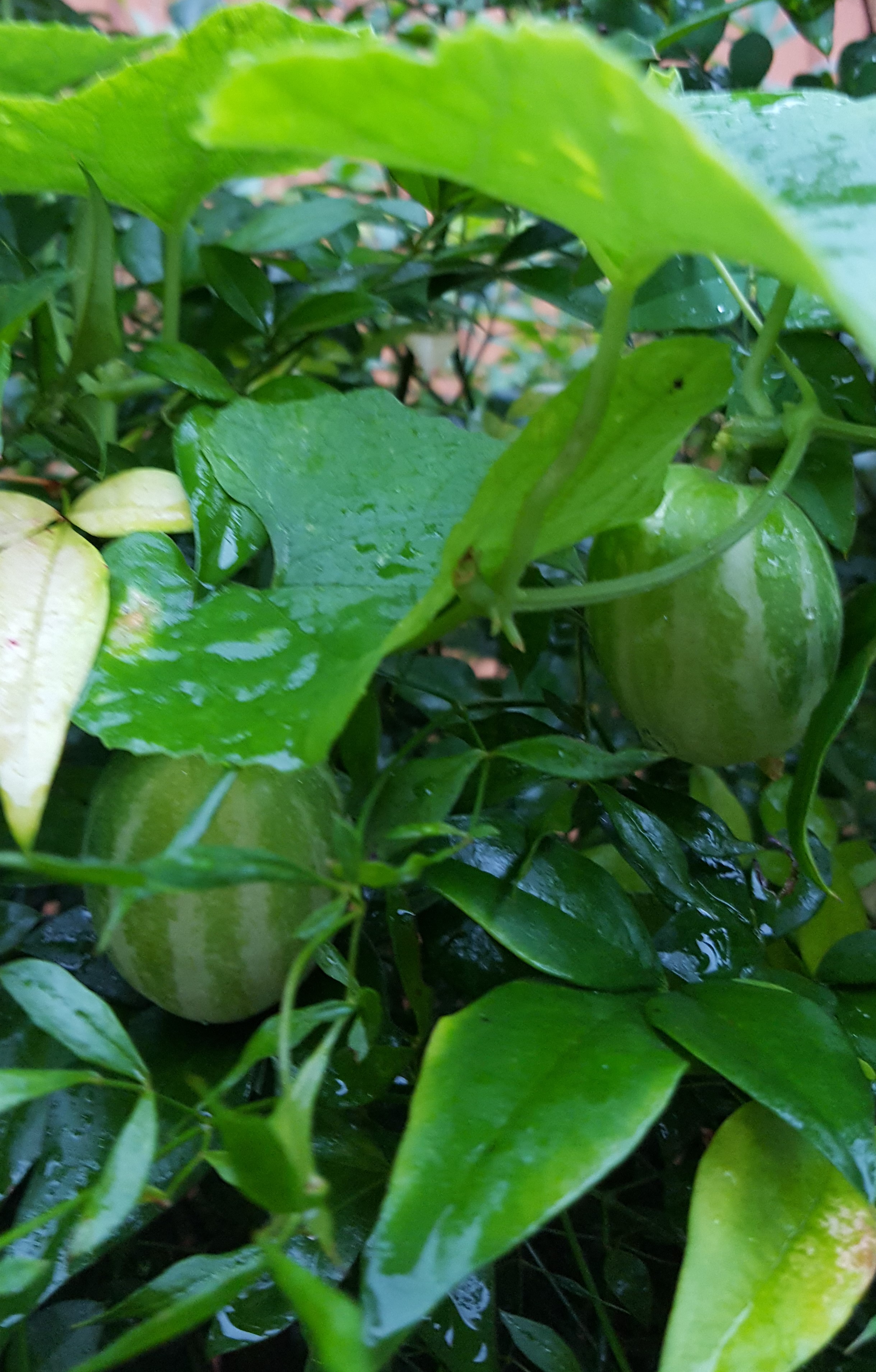
Trichosanthes cucumeroides
StandardMaster Mei-Shu had a sudden stomachache the other day. It made a lesson canceled on the way, while her mouth never stopped chatting. Mei-Shun takes it a duty of student to listen to, yet if Master starts to complain, she intends to wander in concentration looking aside.
物言えば 唇寒し 秋の風
MATSUO, Basho said that speaking ill of others makes yourself lowered in above haiku poetry. So did 烏瓜=karasu-uri, Japanese snake gourd it seemed when Mei-Shun left Master’s house.
Rain, Rain, Rain
Standard… prevents Mei-Shun from walking for a week, while horse riding class today. Her next reservation is on 30th — well, it does not sound so bad to go up to the next step at the end of month. We had 秋分=shubun, the 16th of 二十四節気 yesterday. It is said 暑さ寒さも彼岸まで, meaning torrid or freezing weather would end at the autumnal/vernal equinoxes. So please, Ms. Stationary Front, leave our archipelago by Sunday, the last day of current 彼岸=higan as summer does.
Japanese Culture@holiday
StandardAutumn accounts for good moon seeing. 中秋=Chushu, the middle of this season, comes on September 15th. It is said to have a night of the best moon 名月=meigetsu, yet her shape would not always be in full round — two days later in 2016. Unity between name and reality will occur in 2021, one year after the Olympic Game held secondly in Tokyo. Regarding the moon, 松風=Matsu-kaze, heroine of 汐汲 dances a short story in moonlight. You never can catch it in water, that symbolizes her broken heart.
Japanese Culture@wkday
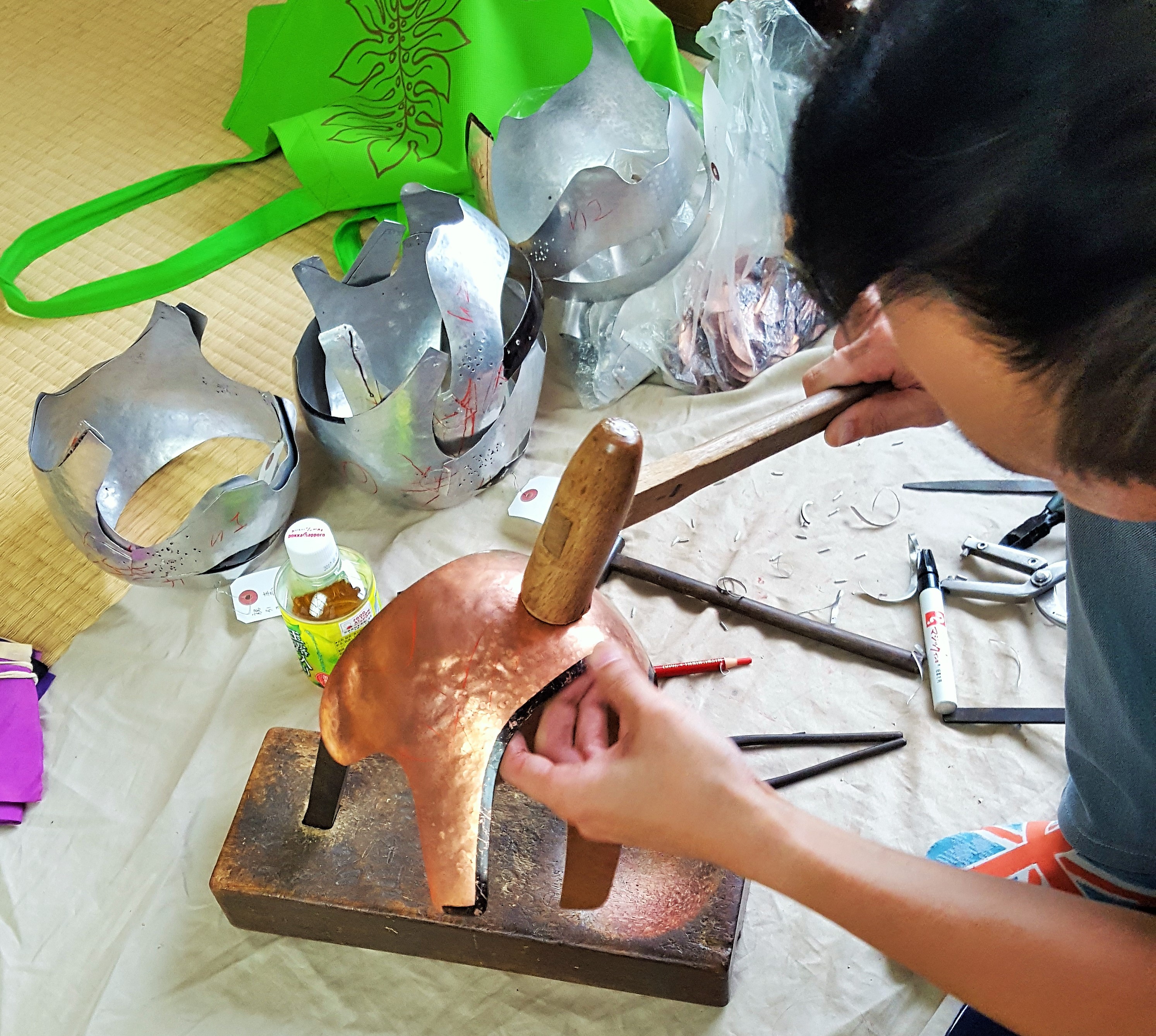
StandardWe had 鬘合わせ=katsura-awase, or 坪合わせ=tsubo-awase this afternoon. The latter involves stage settings and properties staffer, while ours means the former to make metal bases for wigs and to measure sizes for kimono costumes. A Japanese-style wig master gauges our head to fit a base like a cap first. Then he beats it with a wooden hammer to make the best curve on our cheeks. Finally, two metal belts will be arranged on our back of the head to support the biggest front part.
Never Give Up
StandardIt makes us feel real beginning of autumn to see golden rice harvest. However, attacked by extraordinary summer typhoons, some of rice ears lean to the ground, looked disappointed this year. Mei-Shun sympathized with them walking along. Now it is over by half: she found them dried on 稲木=inagi or inaki, bamboo hangers constructed on rice paddies after harvest. Bundled ears are spread under sunlight for longer shelflife and better taste.