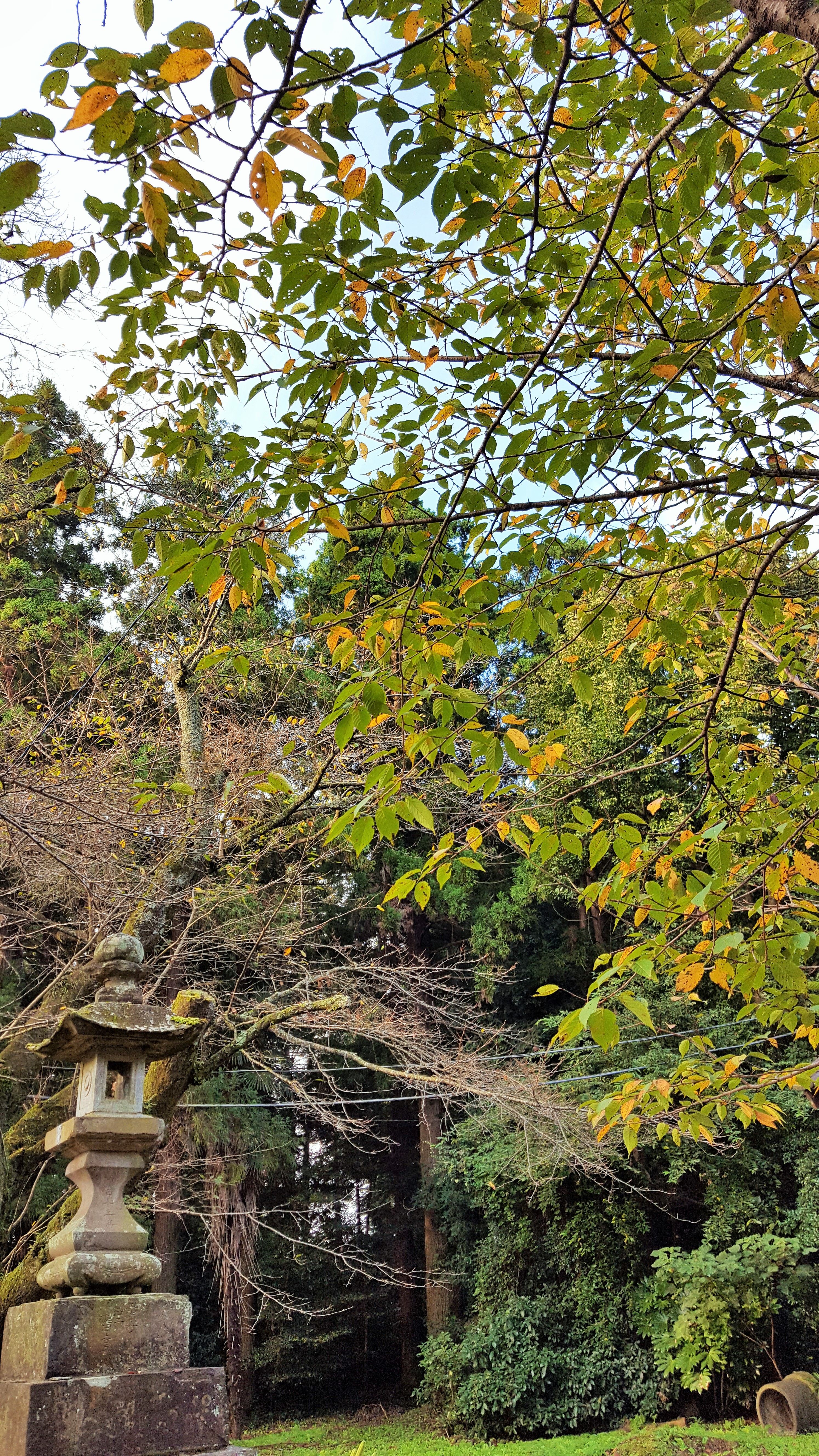
Mei-Shun drew an omikuji fortune slip all the same as the one she did at the beginning of this year — the 22nd 吉=kichi, meaning lucky with a number sounds like a cat calling you twice. Only a difference between them is property of paper. Oh, it reminds her the sight here in new year days. Several girls in white kimono and red 袴=hakama, Japanese pants served to hand us results while we normally help ourselves. They are called 巫女=miko, maiden employees at temples and shrines.
tradition
Green Start
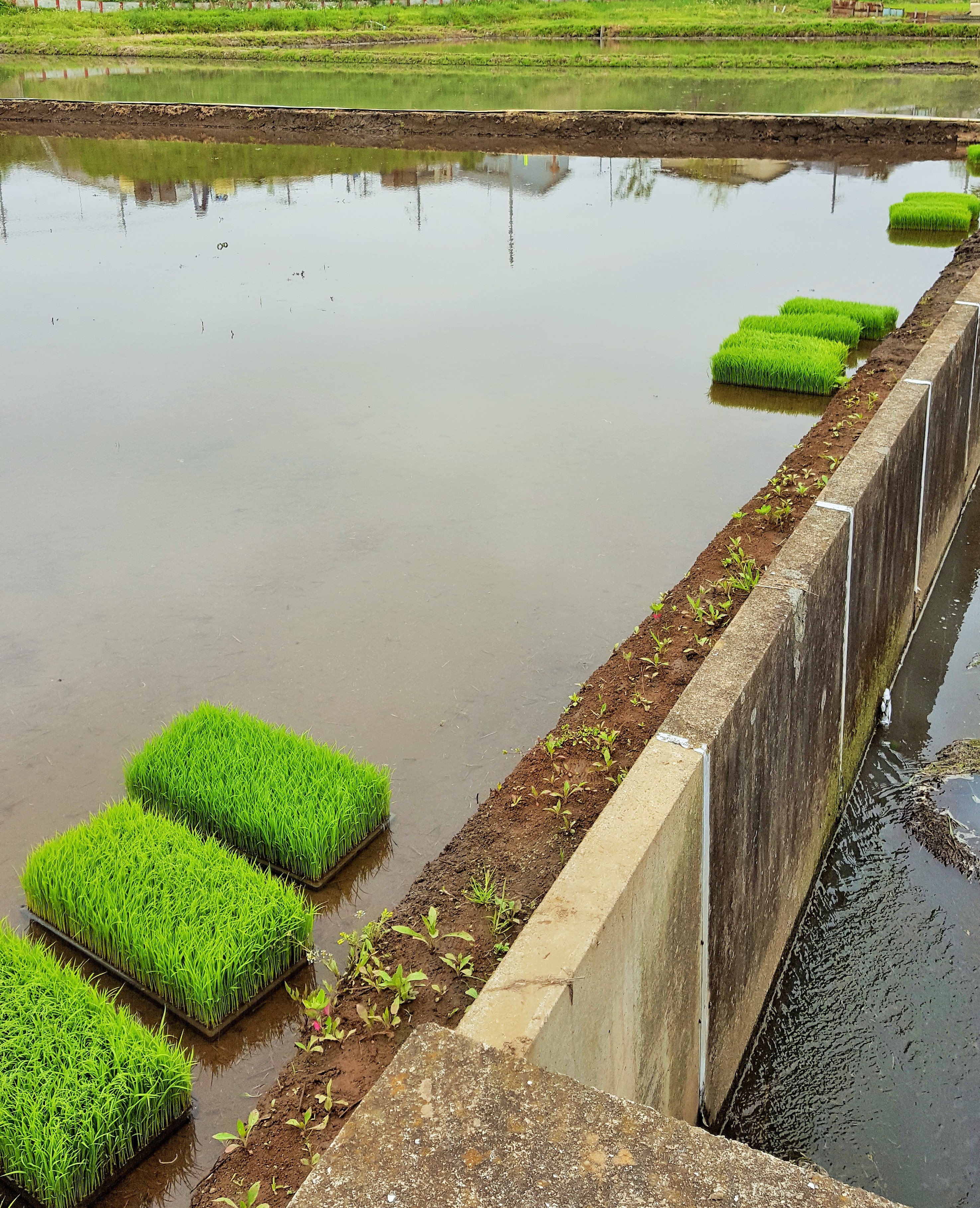
StandardHere you find a rice planter, for which these lovely boats full of young babies are waiting. It is very nice that watered paddies are not so shiny as Otonuma is even early in the morning. Mei-Shun feels happy to walk along them, greeting several other walkers and dogs.
Suisen-Tanzen!
StandardReview by Master
StandardMei-Shun visited Master Mei-Shu for after-stage greeting. She was gentle enough to praise her student, while pointed out a slight mistake. She found Mei-Shun’s hands open when all fingers must have been attached to each other, kept straight. Dancers should be careful from the top of the wig toward the bottom of tabi socks.
Return Gift
StandardMei-Shun arranged makimono (=roll-wrapped item) for coming performance. Dancers are supposed to prepare it showing their thankfulness toward guest audiences. It must be light enough to carry, in proper size and full of wit. On the other hand, lunch boxes, tea, fruits, etc. would be served at waiting rooms for respective ryu-ha (=dance school). Invitation cards should be written before posted. So many things to do give a kind of excitement.
100th Ohagi
StandardThank you so much, mom. It is the best sweet for us, Mei-Shun and her older sister. Since her anko is rather sweet, we need to control quantity of it for coating a rice ball. Sometimes ohage (=bald ball!) appears in our hands. Well, no problem; tastiness is the most important. You say so, dad?
Artistic Couple
StandardSweet Art
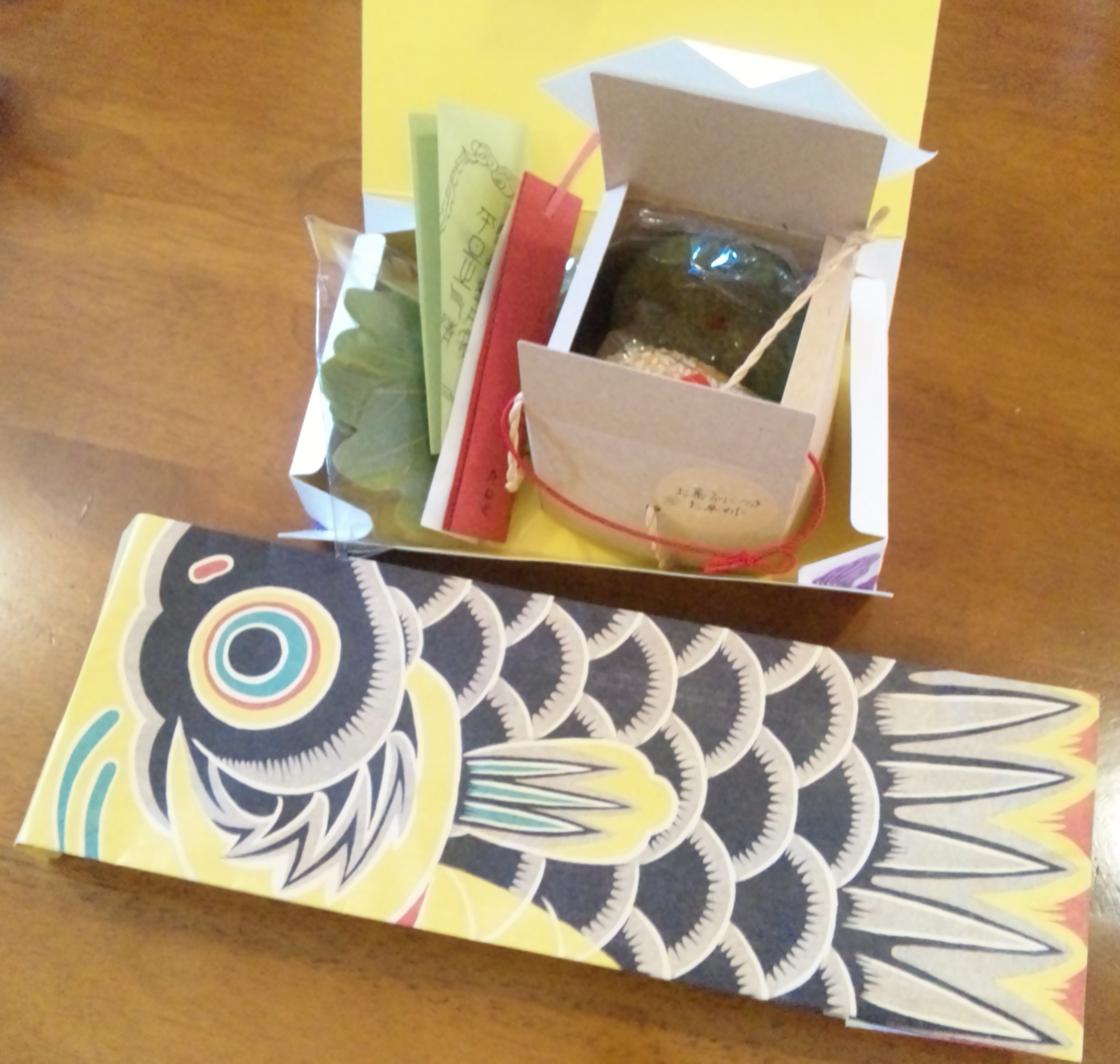
StandardThese are Japanese sweets to celebrate Children’s Day, sent from Tane-ya, including chimaki (=sweetened rice cake wrapped in a piece of bamboo grass) and kashiwa-mochi (=rice cake filled with bean jam). The former was found in a paper bag on which a carp streamer is printed.
Doll Festival
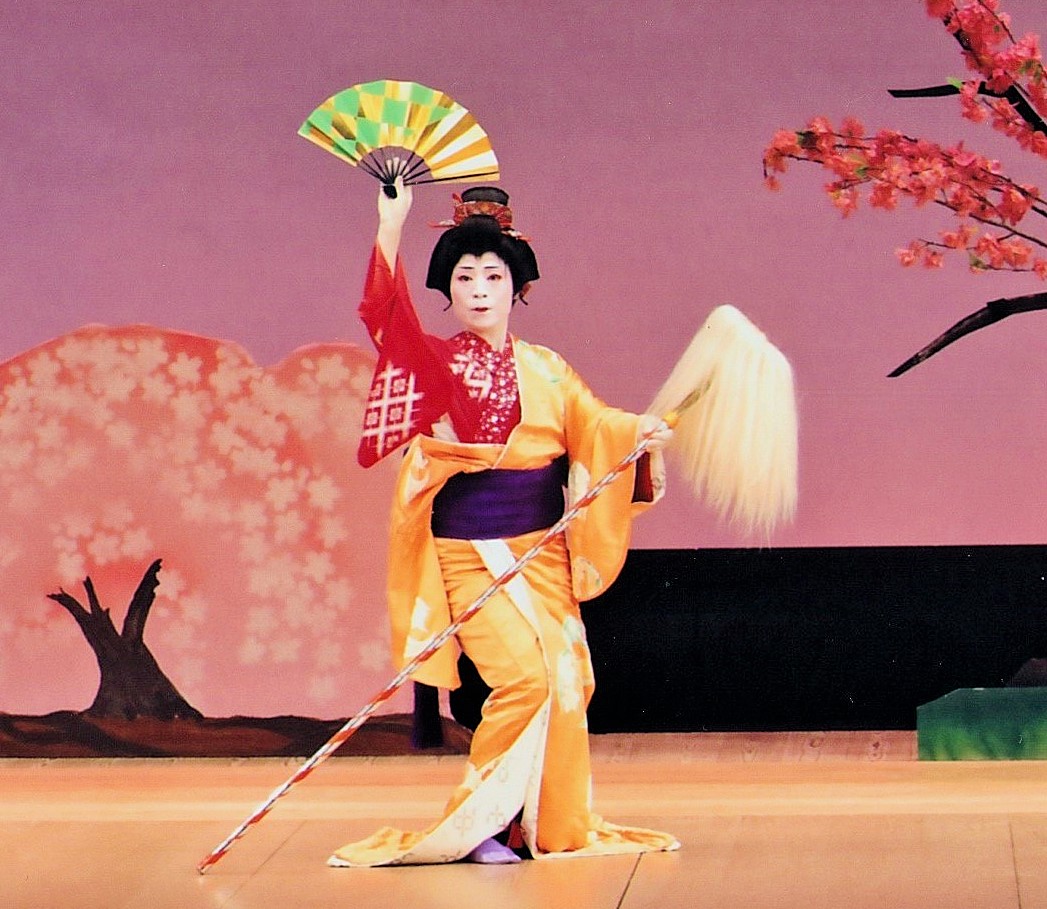
StandardMaster Mei-Shu has three granddaughters. When Mei-Shun visited her today, she found beautiful hina dolls set in the corner of the lesson room to celebrate those three girls. In Suisen-Tanzen, a dancer carries a long, fur-headed spear. We use a bamboo stick for practice, yet have to be very careful for a while not to hurt the dolls.
Japanese Culture@holiday
StandardMost Japanese temples and shrines have omikuji, fortune-telling paper. For easy ones, we put coins into a box before picking up one piece. More formally, we make payment to a clerk, shake a box or can to receive a stick on which a number is written. Informed on the number, they hand us a corresponding piece of omikuji paper. Some of them have a small figure of god which is believed to bring luck to you.